Tag: writing

  • What does “having it all” mean to you? Is it attainable?

    Daily writing prompt
    What does “having it all” mean to you? Is it attainable?

    The phrase “having it all” gets thrown around a lot. For some, it conjures images of endless luxury. For others, it’s about juggling a perfect career and family life with effortless grace. But what does it really mean to have it all? And more importantly, is it actually attainable?

    For me, “having it all” paints a vivid and deeply personal picture. It’s far more than just material possessions; it’s a profound sense of freedom, fulfillment, and self-worth.

    My Vision of “Having It All”:

    It starts with mastery in a chosen craft or profession. Imagine reaching a point where you’re not just good at what you do, but you’re truly excellent, recognized for your contributions, and deeply engaged in your work. This success isn’t just about accolades; it’s about the satisfaction of knowing you’re operating at your peak.

    Hand-in-hand with professional success comes financial freedom. This isn’t about being a billionaire, but about having the resources to live life on your own terms, free from the crushing weight of obligation and external social pressures. It’s the ability to make choices based on desire and opportunity, not necessity.

    This financial independence unlocks a world of possibilities, including the freedom to design your life precisely as you envision it. Want to travel? You can, whenever you have the time and wherever your wanderlust takes you. Imagine spontaneous trips to far-flung destinations or extended stays in places that nourish your soul.

    Beyond adventure, “having it all” includes the stability and comfort of your own home, a sanctuary where you can truly be yourself. It also encompasses the warmth and support of a loving family, a cornerstone of happiness and belonging. And crucially, it means being in a profession you genuinely love, one that energizes you rather than drains you.

    Perhaps one of the most powerful aspects of “having it all” is the internal shift: no longer questioning your worth or value. You reach a point of deep self-acceptance, understanding that you are inherently worthy of success, happiness, and all the good things life has to offer. This confidence allows for easy self-expression, where your thoughts, feelings, and creativity flow freely without inhibition.

    Finally, it’s about having the financial means to comfortably purchase your wants on top of your needs. This isn’t about extravagance, but about the joy of indulging in passions, investing in experiences, and having the capacity to support causes you believe in.

    Is This Vision Doable? Absolutely.

    While it might seem like a grand aspiration, I wholeheartedly believe this vision of “having it all” is not just a dream, but a truly achievable reality. It’s not about winning the lottery or some magical shortcut. Instead, it’s about a combination of intentional choices, consistent effort, and a fundamental shift in perspective.

    The key lies in understanding that “having it all” isn’t about perfection, but about the freedom to celebrate life in its entirety. It’s about aligning your actions with your values, cultivating meaningful relationships, pursuing your passions with dedication, and nurturing a strong sense of self.

    It’s a journey, not a destination, and every step taken towards this vision is a step towards a richer, more fulfilling life.

  • Do you remember life before the internet?

    Daily writing prompt
    Do you remember life before the internet?

    Life before the internet is a concept that might seem foreign to many, but for those of us who experienced it, it conjures a tapestry of vivid memories. I was fortunate enough to spend my formative years in the Philippines, specifically in the province of Pangasinan, during a time when digital connectivity was still a distant whisper. My childhood was not just wonderful; it was a masterclass in organic discovery, community, and the art of anticipation.

    Growing up, my days weren’t dictated by glowing screens or endless feeds. Instead, they unfolded outdoors, fueled by the boundless energy of youth and the simple joys of traditional games. Text and pogs weren’t digital messages or collectible discs, but rather the names of local street games, echoing with laughter and friendly competition. We played tumbang preso, a chaotic yet thrilling game of tag where an empty can was the coveted target, and piko, the Filipino version of hopscotch, drawn with chalk on dusty pathways. These weren’t just pastimes; they were rituals, forging bonds with neighbors and creating a shared understanding of fun that transcended language barriers.

    The world outside my home was a source of constant wonder, unmediated by algorithms. Information wasn’t at my fingertips; it was something to be sought out, discussed, and sometimes, patiently waited for. I vividly recall the exquisite agony and ultimate delight of waiting for my favorite songs to finally grace the airwaves. Radio waves carried not just music, but stories, news, and the collective heartbeat of the community. Similarly, television shows were events, not on-demand commodities. We planned our days around their broadcast times, gathering with family to watch, discuss, and sometimes, critique. This forced patience, this embrace of anticipation, instilled a deeper appreciation for content when it finally arrived.


    Contrast this with today’s instant gratification. Any piece of music, any film, any scrap of information is readily available with a few taps. While undeniably convenient, this constant accessibility can sometimes dull the edge of curiosity. Before the widespread use of the internet, if you wanted to know something, you had to actively pursue it. This often meant poring over encyclopedias, visiting libraries, or, most commonly, asking elders and experts in the community. Information was a journey, not a destination. This pursuit of knowledge often led to tangential discoveries, deepening understanding and fostering a genuine sense of intellectual exploration. The absence of readily searchable answers also left room for wonder and speculation, allowing our imaginations to fill in the blanks. There was a unique satisfaction in piecing together information, like solving a puzzle with limited clues.

    The internet has undeniably revolutionized our world, offering unprecedented access to information and connecting people across vast distances. Yet, there’s a part of me that deeply misses the slower pace, the tangible interactions, and the inherent magic of a world where discovery was a more deliberate and often communal experience. My childhood before the internet wasn’t lacking; it was rich with experiences that fostered creativity, resilience, and a profound appreciation for the present moment. It was a time when curiosity was a driving force, and the answers, when they finally came, felt all the more precious.

  • The White Lotus Season 3: A Journey to Enlightenment (or Delusion) in Thailand

    The White Lotus Season 3 transports us to the lush, spiritual, and sometimes unsettling landscapes of Thailand, once again proving Mike White’s unparalleled ability to craft a compelling social satire. This season, the luxurious resort serves as a crucible where a new set of privileged guests grapple with their inner demons, seeking enlightenment, connection, or perhaps just a deeper understanding of their own complex desires, all while their lives become wonderfully and often tragically interwoven.

    From the outset, the season subtly hints at a quest for something beyond the superficial. While the signature dark humor and biting critiques of wealth and privilege remain, there’s a palpable undercurrent of characters striving for a more profound experience, whether through spiritual retreats, romantic entanglements, or confronting long-buried truths. Each character’s journey feels like a meticulously observed case study in self-discovery, or rather, the often-messy path towards it.

    The narrative arcs are a true highlight, unfolding with a deliberate pace that allows for deep character exploration. We follow individuals who arrive with preconceived notions, burdened by expectations, or simply lost in their own lives. As the episodes progress, their carefully constructed facades begin to crumble, revealing vulnerabilities, hidden desires, and the often-painful realities they’ve tried to outrun. The beauty lies in how these individual quests for meaning intersect and influence one another. A seemingly innocent conversation can spark a profound realization, a casual encounter can lead to a life-altering decision, and the ripple effects of one person’s actions are felt across the entire ensemble. The writing masterfully weaves these disparate threads into a rich tapestry, showcasing how interconnected human lives truly are, even in the most isolated of paradises. The characters are not merely observed; they are deeply followed, their internal struggles and external interactions meticulously charted, making their eventual transformations (or lack thereof) all the more impactful.

    Among the diverse cast, several main characters stand out, each embarking on their own distinct, yet interconnected, journey towards (or away from) enlightenment.

    • Natasha Rothwell returns as Belinda Lindsey, the spa manager from Season 1, now on a work exchange in Thailand, seeking to rekindle her dreams of a wellness business after her previous disappointments. Her journey explores themes of ambition, resilience, and the challenges of navigating the world of the ultra-rich.
    • Walton Goggins portrays Rick Hatchett, a rugged and embittered man traveling with his much younger girlfriend, Chelsea. His arc delves into midlife crises, societal expectations, and the search for meaning when past achievements no longer suffice.
    • Aimee Lou Wood plays Chelsea, Rick’s free-spirited companion. Her character explores themes of youth, dependency, and the complexities of relationships with significant age gaps, as she navigates her own desires amidst Rick’s turmoil.
    • Michelle Monaghan is Jaclyn Lemon, a successful television actress. Her storyline, alongside her childhood friends Laurie and Kate, examines the pressures of fame, the facade of perfection, and the often-strained dynamics of long-standing female friendships.
    • Carrie Coon as Laurie Duffy, a corporate lawyer, and Leslie Bibb as Kate Bohr, a cheerful socialite, complete this trio of friends. Their interactions highlight different approaches to life’s challenges, from career anxieties to marital woes, all while seeking a renewed sense of purpose.
    • Jason Isaacs as Timothy Ratliff and Parker Posey as Victoria Ratliff lead a wealthy family on vacation with their children. Their narrative explores generational wealth, family dynamics, and the pursuit of status, often clashing with the more spiritual undertones of their surroundings.
    • Their children, Piper Ratliff (Sarah Catherine Hook), Saxon Ratliff (Patrick Schwarzenegger), and Lochlan Ratliff (Sam Nivola), each face their own coming-of-age moments or reckonings with privilege and identity, often through encounters with the local culture and staff.
    • Lalisa Manobal (Lisa from Blackpink) makes her acting debut as Mook, a health mentor at the White Lotus wellness resort. Her character offers a glimpse into the local perspective and the intersection of traditional practices with the demands of luxury tourism.

    Through each episode, we delve deeper into their psyches, witnessing their struggles with ego, desire, and the elusive nature of true peace, as the Thai setting subtly mirrors their internal landscapes.

    Thailand itself emerges as a character in its own right, an exceptional shooting location that elevates the entire season. The stunning natural beauty, from pristine beaches to ancient temples, provides a visually breathtaking backdrop. More than just aesthetics, the spiritual traditions and cultural nuances of Thailand imbue the season with a unique atmosphere. The vibrant markets, the serene monasteries, and the pervasive sense of a deeper, more ancient wisdom subtly challenge the Western guests’ materialistic pursuits and self-absorption. The contrast between the guests’ inner turmoil and the tranquil, often spiritual, surroundings creates a powerful tension, highlighting their detachment from genuine peace.

    In essence, The White Lotus Season 3 is a captivating exploration of the human condition, set against an utterly magnificent canvas. It’s a testament to brilliant storytelling, where every character’s journey, whether towards genuine enlightenment or deeper delusion, contributes to a wonderfully interwoven and unforgettable narrative.

  • The White Lotus Season 2: A Sicilian Escape into Sex, Power, and Desire

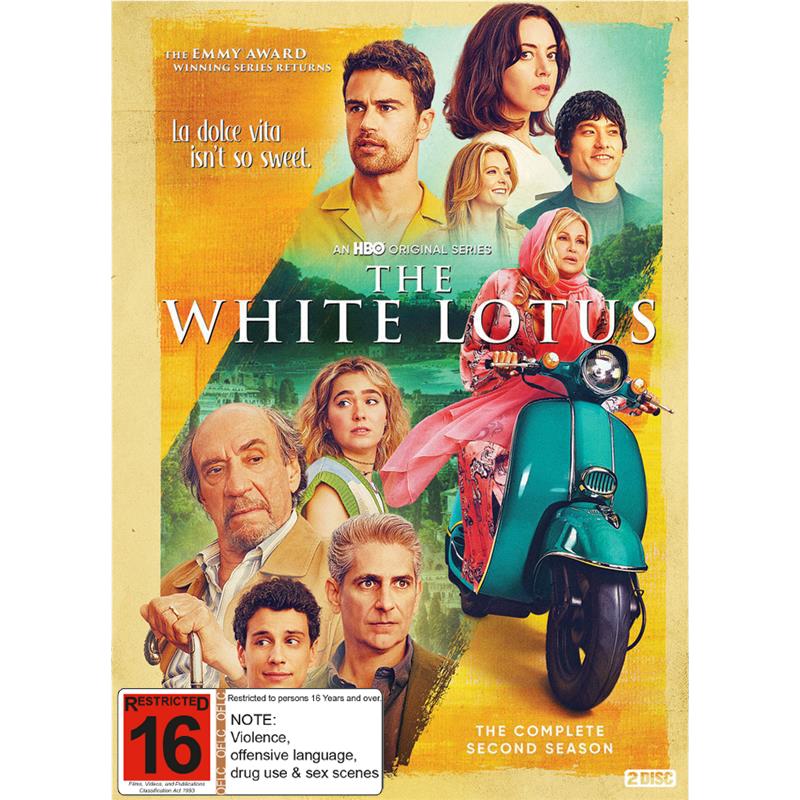
    Following the immense success of its debut season, “The White Lotus” returned in 2022, transporting its unique brand of satirical drama from the Hawaiian shores to the sun-drenched, ancient landscapes of Sicily, Italy. Creator Mike White once again delivers a compelling and often uncomfortable exploration of wealth, privilege, and the intricate, often messy, dynamics of human relationships, this time with a heightened focus on themes of sex, desire, and infidelity.

    Premise: Season 2 shifts its gaze to a new group of affluent travelers and the local staff at another luxurious White Lotus resort, this time nestled on the picturesque coast of Sicily. As with the first season, the narrative begins with the ominous discovery of multiple bodies, setting a suspenseful tone as viewers are left to unravel the complex web of interactions that lead to the tragic outcome. The week-long stay becomes a crucible for various intertwined relationships, exposing vulnerabilities, desires, and the often-destructive pursuit of pleasure.

    Key Themes: While retaining the sharp social commentary of its predecessor, Season 2 delves deeper into specific thematic territories:

    • Sex and Desire: This season explicitly explores the multifaceted nature of desire, infidelity, and sexual power dynamics. From casual encounters to long-standing marital tensions, the characters grapple with their own and others’ sexual identities and urges.
    • Gender Roles and Power: The series examines traditional and modern gender roles, particularly within relationships, and how power is wielded, challenged, and exploited between men and women.
    • Italian Culture vs. American Privilege: The clash between the ancient, passionate, and often patriarchal traditions of Sicilian culture and the more individualistic, often naive, American tourists provides a rich layer of commentary.
    • Infidelity and Betrayal: Many storylines revolve around trust, suspicion, and the devastating impact of betrayal within romantic and familial bonds.
    • The Pursuit of Happiness/Meaning: Despite their wealth, many characters are deeply unhappy, seeking fulfillment through external validation, fleeting pleasures, or attempts to escape their inner turmoil.

    Characters: The ensemble cast is once again stellar, bringing to life a new set of memorable and flawed individuals:

    • Tanya McQuoid (Jennifer Coolidge): The sole returning character, Tanya’s journey continues as she navigates her marriage to Greg and seeks new experiences, often with chaotic and hilarious results. Coolidge once again shines, earning another Emmy for her iconic portrayal.
    • Harper Spiller (Aubrey Plaza) and Ethan Spiller (Will Sharpe): A newly wealthy tech couple who find themselves increasingly uncomfortable and suspicious of their seemingly perfect friends, Cameron and Daphne. Harper’s cynical observations and Ethan’s quiet anxiety are central to the season’s tension.
    • Cameron Sullivan (Theo James) and Daphne Sullivan (Meghann Fahy): A seemingly idyllic, carefree couple whose relationship is built on unspoken agreements and a dangerous level of complacency. Their dynamic challenges conventional notions of fidelity and happiness.
    • Lucia (Simona Tabasco) and Mia (Beatrice Grannò): Two local Sicilian women who navigate the world of wealthy tourists, offering services and seeking opportunities, often blurring the lines between ambition and exploitation. Their vibrant energy and street smarts provide a fascinating counterpoint to the guests.
    • Dominic Di Grasso (Michael Imperioli), Bert Di Grasso (F. Murray Abraham), and Albie Di Grasso (Adam DiMarco): Three generations of Italian-American men on a heritage trip, each grappling with their own issues of masculinity, desire, and family legacy.

    Performances: The acting is uniformly excellent. Jennifer Coolidge continues to be a standout, delivering both comedic gold and poignant vulnerability. Aubrey Plaza and Will Sharpe expertly convey their characters’ escalating paranoia and marital discord. Meghann Fahy’s Daphne is a revelation, embodying a complex blend of naiveté and shrewdness. The performances of Simona Tabasco and Beatrice Grannò as Lucia and Mia are captivating, bringing a raw, authentic energy to the series.

    Directing and Writing: Mike White’s singular vision remains the driving force. His writing is as sharp and observant as ever, crafting dialogue that is both witty and deeply unsettling. The pacing is deliberate, allowing the psychological tension to build slowly, culminating in a dramatic and fitting climax. The Sicilian setting is breathtakingly captured, with stunning cinematography that highlights both the beauty and the ancient weight of the island. The musical score, with its distinctive Italian flair, perfectly complements the luxurious yet unsettling atmosphere.

    Strengths:

    • Intriguing Mystery: The “who dies?” hook is effective, keeping viewers guessing and invested in the characters’ fates.
    • Complex Character Studies: Each character is meticulously developed, revealing layers of desire, insecurity, and hypocrisy.
    • Provocative Themes: The show fearlessly tackles sensitive topics like sex, power, and cultural clashes, sparking important conversations.
    • Stunning Visuals: The Sicilian backdrop is beautifully filmed, adding to the allure and luxury of the resort.
    • Exceptional Ensemble Cast: The performances are consistently strong, elevating the already compelling script.

    Overall Verdict: “The White Lotus” Season 2 is a triumphant return for the critically acclaimed series. While it maintains the sharp social commentary and dark humor of its predecessor, it carves out its own distinct identity by focusing on the intricate dance of sex, desire, and power. It’s a visually stunning, intellectually stimulating, and emotionally resonant journey that will leave you pondering the complexities of human nature long after the credits roll. Highly recommended for fans of the first season and anyone looking for intelligent, character-driven drama with a captivating mystery.

  • The White Lotus Season 1: A Deep Dive into Paradise and Privilege

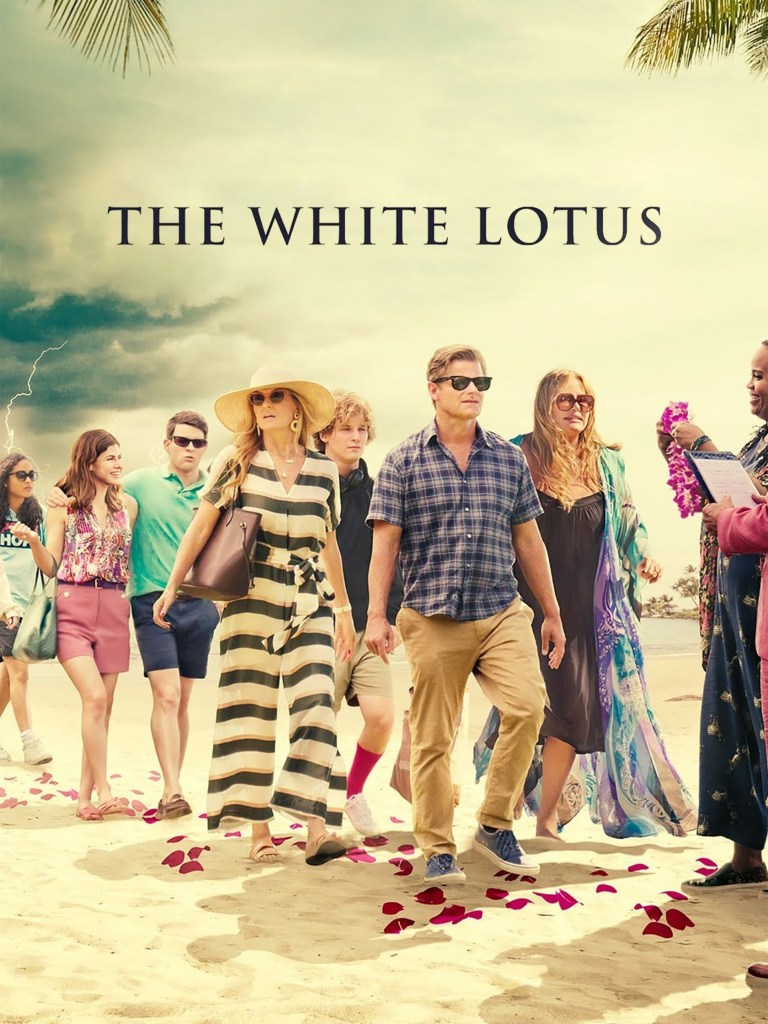
    “The White Lotus” burst onto the scene in 2021 as a sharp, satirical, and often uncomfortable examination of wealth, privilege, and the complex dynamics that unfold when a group of affluent guests descends upon an exclusive Hawaiian resort. Created, written, and directed by Mike White, the first season masterfully blends dark comedy with biting social commentary, leaving viewers both entertained and profoundly reflective.

    Premise: The series follows various guests and staff members over a week at the luxurious White Lotus resort in Hawaii. From the outset, we know someone ends up dead, but the journey to uncover who and why is a fascinating exploration of human nature, societal structures, and the often-ugly truths hidden beneath a veneer of paradise.

    Key Themes: Season 1 is rich with thematic depth. It primarily dissects:

    • Privilege and Class: The stark contrast between the entitled guests and the subservient staff is a central focus. The show brilliantly exposes how wealth can blind individuals to their own impact and the struggles of others.
    • Colonialism and Exploitation: The Hawaiian setting is not merely a backdrop; it’s an active participant in the narrative. The series subtly, and sometimes not so subtly, critiques the historical and ongoing exploitation of indigenous lands and cultures by Western tourism.
    • Dysfunctional Relationships: From the newlywed couple grappling with power imbalances to the seemingly perfect family unit harboring deep-seated resentments, the show meticulously peels back the layers of various relationships, revealing their fragility and toxicity.
    • Existential Dread and Identity: Many characters are on a quest for meaning or struggling with their identity, often finding that even in paradise, their inner turmoil persists.
    • Hypocrisy and Self-Deception: The characters often present a curated version of themselves, but their actions and internal monologues expose their profound hypocrisy and self-deception.

    Characters: The ensemble cast is phenomenal, each character a meticulously crafted archetype, yet with enough nuance to feel real. Standouts include:

    • Tanya McQuoid (Jennifer Coolidge): A wealthy, emotionally vulnerable woman seeking solace and spiritual healing after her mother’s death. Coolidge delivers a career-defining performance, oscillating between heartbreaking fragility and comedic absurdity.
    • Shane Patton (Jake Lacy): The quintessential entitled rich kid on his honeymoon, whose incessant complaints and inability to empathize drive much of the season’s conflict.
    • Armond (Murray Bartlett): The resort manager, whose increasingly erratic behavior under pressure serves as a tragic mirror to the guests’ demands. His performance is a masterclass in controlled chaos.
    • Olivia and Paula (Sydney Sweeney and Brittany O’Grady): Two college friends whose intellectual superiority masks their own forms of privilege and manipulation. Their dynamic provides sharp commentary on performative wokeness.

    Performances: The acting across the board is exceptional. Jennifer Coolidge rightly earned an Emmy for her portrayal, bringing both humor and pathos to Tanya. Murray Bartlett’s descent into madness as Armond is captivating and heartbreaking. The younger cast members, particularly Sydney Sweeney and Brittany O’Grady, deliver nuanced performances that capture the complexities of their characters.

    Directing and Writing: Mike White’s genius lies in his ability to craft dialogue that is simultaneously witty, uncomfortable, and deeply revealing. His direction is precise, using lingering shots and subtle cues to build tension and expose character. The pacing is deliberate, allowing the slow burn of psychological drama to unfold organically. The Hawaiian setting is beautifully shot, creating a stark contrast between the idyllic visuals and the unsettling human drama.

    Strengths:

    • Sharp Satire: The show’s critique of wealth and privilege is incisive and thought-provoking without being preachy.
    • Compelling Characters: Even the most unlikable characters are fascinating to watch, thanks to brilliant writing and performances.
    • Tense Atmosphere: The underlying tension and mystery keep viewers engaged, even as the narrative explores uncomfortable truths.
    • Beautiful Cinematography: The stunning Hawaiian backdrop provides a visually rich experience.
    • Memorable Soundtrack: The score perfectly complements the show’s blend of tropical allure and underlying unease.

    Overall Verdict: “The White Lotus” Season 1 is a masterful piece of television that successfully blends dark humor, social satire, and character study. It’s a show that will make you laugh, squirm, and ultimately reflect on the uncomfortable realities of class, power, and human behavior. It’s not always an easy watch, but it’s an incredibly rewarding one, cementing its place as one of the standout series of recent years. Highly recommended for those who appreciate intelligent, character-driven drama with a satirical edge.