Tag: travel

  • What’s the Most Delicious Thing You’ve Ever Eaten?

    Daily writing prompt
    What’s the most delicious thing you’ve ever eaten?


    The One Dish That Still Makes My Taste Buds Sing: Mala Xiang Guo


    If you were to ask me, “What’s the most delicious thing you’ve ever eaten?” there’s one answer that immediately springs to mind, a dish that has forever cemented itself as my ultimate culinary love affair: Mala Xiang Guo.


    You might know it as Malatang, or maybe “dry hotpot,” but whatever you call it, for me, it represents the absolute pinnacle of flavor. Imagine the concept of a hotpot, where you cook your ingredients in a simmering broth, but then take it a step further. Mala Xiang Guo takes all those fresh, diverse ingredients and stir-fries them together in an intensely aromatic, incredibly addictive, and yes, very spicy sauce.


    It’s a choose-your-own-adventure meal, which is part of its genius. You start by selecting your desired ingredients from a vast array of options. Think thinly sliced meats – beef, lamb, pork belly – alongside a rainbow of fresh vegetables like broccoli, napa cabbage, lotus root, and various mushrooms. Then there are the noodles: glass noodles, wide potato noodles, instant noodles, you name it. Don’t forget the tofu in all its forms – fried tofu skin, soft tofu, frozen tofu, and fish balls or other delightful surimi options.


    Once you’ve made your selections, they’re whisked away and stir-fried to perfection in that signature mala sauce. And what a sauce it is! The “mala” sensation comes from two key components: má (麻), the numbing sensation from Sichuan peppercorns, and là (辣), the spicy heat from various chilies. This creates a complex, multi-layered flavor profile that dances on your tongue – first a tingle, then a warming heat, followed by an explosion of savory, umami goodness. Garlic, ginger, star anise, and other fragrant spices round out the sauce, making every bite an adventure.


    The beauty of Mala Xiang Guo lies in its customizable nature and the incredible depth of flavor it achieves. Each ingredient, perfectly coated in that fiery, fragrant sauce, retains its individual texture while harmonizing with the others. The crispness of the vegetables, the chewiness of the noodles, the tender succulence of the meats – it all comes together in a symphony of taste and texture.
    Seriously, if you’ve never tried it, I implore you: seek out Mala Xiang Guo.

    Your taste buds will thank you! What’s the most delicious thing you’ve ever eaten? I’d love to hear about your culinary conquests in the comments!

  • If You Were Forced to Wear One Outfit Over and Over Again, What Would It Be?

    Daily writing prompt
    If you were forced to wear one outfit over and over again, what would it be?

    Okay, if I had to pick just one outfit to wear for the rest of my days, it’s actually an easy choice for me. Forget the latest trends or high fashion, my ultimate go-to would be the classic Aloha polo shirt, paired with comfortable khaki shorts and, of course, a trusty pair of slippers.
    Now, you might be thinking, “Really? That’s it?” But let me tell you, for someone like me, who lives and breathes the island life, this outfit is more than just clothes; it’s a statement, a lifestyle, and pure comfort rolled into one.


    First off, let’s talk about the Aloha polo. It’s not just a shirt; it’s a symbol. When you see an Aloha shirt, your mind instantly conjures images of palm trees swaying, the ocean breeze, and the laid-back rhythm of Hawaii. It embodies the aloha spirit – warmth, friendliness, and respect. For me, wearing it over and over again would be a constant reminder of the beautiful islands I call home and the values they represent. It’s a way to carry a piece of Hawaii with me, no matter where I am or what I’m doing.


    Historically, the Aloha shirt has a rich and fascinating past. While often associated with tourism, its roots run deeper. These shirts began appearing in Hawaii in the 1920s and 30s, evolving from Japanese kimonos, Filipino barongs, and Western dress shirts.

    Early versions were often made from leftover kimono fabrics. It wasn’t long before local tailors and designers started creating unique patterns inspired by the islands – tropical flora, fauna, and scenic vistas. By the 1950s, the Aloha shirt had become a widespread symbol of Hawaiian identity, embraced by locals and visitors alike, and even making its way into mainstream American fashion. It truly became a uniform for the islands, worn by everyone from politicians to surfers.


    And why is it so comfortable, you ask? Well, for starters, most Aloha shirts are made from light, breathable fabrics like cotton, rayon, or a blend. In the constant warmth and humidity of the tropics, this is an absolute game-changer. There’s nothing worse than feeling sticky and constricted, and the Aloha shirt’s loose fit allows for excellent airflow, keeping you cool and comfortable even on the hottest days.

    The polo style adds a touch of casual sophistication, making it suitable for a wider range of occasions than a traditional button-up aloha shirt.
    Pairing it with khaki shorts is a no-brainer. They offer freedom of movement and are equally breathable, perfectly complementing the casual island vibe. And slippers? Well, they’re the ultimate in foot freedom. Easy to slip on and off, perfect for sandy beaches or quick trips to the store, and they embody that relaxed, unhurried island pace.


    So, yes, if I were truly forced to wear one outfit forever, you’d find me perpetually in my Aloha polo shirt, khaki shorts, and slippers. It’s more than just clothing; it’s a testament to comfort, a nod to history, and a constant embrace of the island life I cherish. It’s fashionably appropriate in all tropical weather, endlessly comfortable, and deeply symbolic of living in the islands. And honestly, I wouldn’t have it any other way.

  • What Countries Do You Want to Visit?

    Daily writing prompt
    What countries do you want to visit?


    If I could pack my bags and hop on a plane tomorrow, my itinerary would be bursting with destinations that offer profound and unique experiences. My wishlist is a blend of ancient wonders, spiritual havens, and breathtaking natural beauty. So, let’s take a peek at where my wanderlust is currently leading me!

    1. Egypt: Stepping Back in Time to Meet the Pharaohs
      At the very top of my list is Egypt. The sheer magnitude of history concentrated in this land is awe-inspiring. Just imagining myself standing before the Great Pyramids of Giza sends shivers down my spine. I want to feel their ancient presence and try to grasp the incredible feat of engineering and organization it took to build them.
      More than just seeing the stones, I dream of somehow traveling back in time, even if just in my imagination, to meet the pharaohs. What would it have been like to walk through their courts, witness their rituals, and hear their stories firsthand? Exploring the intricately decorated temples of Luxor and Karnak, deciphering the hieroglyphs, and venturing into the mysterious Valley of the Kings would be an unparalleled opportunity to connect with a civilization that has captivated me since childhood.
    2. Nepal: Seeking Serenity and Learning from the Source
      From the sands of Egypt, my heart then yearns for the tranquil heights of Nepal. This journey would be a pilgrimage for my soul, a chance to practice meditation and learn directly from Buddhist monks. The image of serene monasteries nestled high in the Himalayas, the sound of chanting filling the crisp mountain air, and the profound wisdom emanating from those who have dedicated their lives to spiritual practice is incredibly appealing.
      I long to immerse myself in the principles of mindfulness and compassion, hoping to gain a deeper understanding of myself and the world around me. Witnessing the colorful prayer flags dancing in the wind and observing the daily rituals of devotion would be a truly transformative experience, offering a sense of inner peace that I crave.
    3. Costa Rica: Immersing Myself in the Wild Beauty of Nature
      Next on my dream itinerary is the vibrant and biodiverse paradise of Costa Rica. My visit here would be all about experiencing the raw beauty of nature and embarking on thrilling wildlife adventures.
      I picture myself ziplining through lush cloud forests, surrounded by an orchestra of exotic sounds and vibrant green foliage. I dream of spotting sloths lazily moving through the trees, marveling at the colorful plumage of toucans, and watching playful monkeys swinging through the canopy. Exploring majestic volcanoes, rafting down pristine rivers, and discovering hidden waterfalls would be an exhilarating celebration of our planet’s incredible ecosystems. Costa Rica’s dedication to conservation makes it an even more attractive destination, aligning with my own appreciation for the natural world.
    4. Europe: A Tapestry of Culture and History
      Finally, my wanderlust calls me to the diverse continent of Europe. While it’s a vast area, the sheer variety of cultures, histories, and landscapes makes it an essential part of my travel aspirations.
      I imagine wandering along the romantic canals of Venice, feeling the weight of history in the ancient streets of Rome, losing myself in the artistic masterpieces of Paris, and soaking in the vibrant atmosphere of London. I want to stroll through cobblestone alleys, gaze at breathtaking architecture, and immerse myself in the unique traditions and flavors of each country. Whether it’s exploring ancient ruins in Greece, marveling at the fjords of Norway, enjoying the lively markets of Spain, or discovering fairytale castles in Germany, Europe offers an endless array of experiences, each promising to enrich my understanding of the world and its people.

    5. While these are just a few of the destinations on my ever-growing list, they represent a deep desire to connect with history, seek spiritual growth, and appreciate the incredible beauty of our planet. Each of these countries offers a unique set of attractions and experiences that I believe would be truly transformative, and I can’t wait for the day when I can turn these dreams into reality.
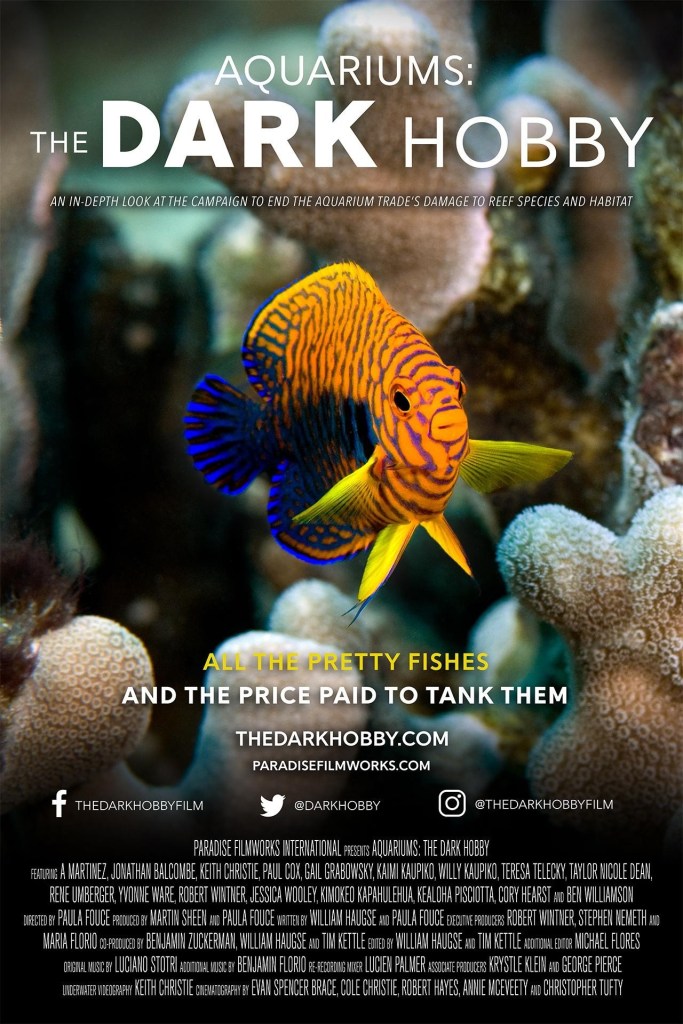
  • “Aquarium: The Dark Hobby” – An Urgent Call to Protect Our Oceans

    Have you ever gazed into a vibrant home aquarium, mesmerized by the flashing colors of tropical fish, and wondered about their journey from the ocean to your living room? The documentary “Aquarium: The Dark Hobby” pulls back the curtain on this often-unseen journey, revealing a deeply troubling industry with devastating consequences for marine life and ecosystems. This film isn’t just an eye-opener; it’s an urgent call to action, demanding a fundamental shift in how we approach the capture and trade of marine species for the aquarium industry.

    The documentary lays bare the brutal realities of wild capture, exposing methods that are not only destructive to individual animals but also to the delicate coral reefs and habitats they call home. It highlights the shocking mortality rates, with countless fish, corals, and invertebrates dying at various stages – from the initial capture and transport to the wholesaler and finally, the consumer. This isn’t just about a few casualties; it’s a systemic problem built on a foundation of significant loss, a silent death toll that the industry rarely acknowledges.

    A Deep Dive into the Dark Hobby, Centered in Hawaii

    Much of the film’s compelling narrative is shot on location in Hawaii, a major hub for the collection of marine ornamental fish. The stunning underwater cinematography beautifully captures the richness of the reefs, making the subsequent scenes of destruction even more heartbreaking. The film showcases the efforts of Native Hawaiian elders, conservationists, and scientists who are battling against fish collectors to protect these tiny creatures, which are vital to the reef ecosystem. Their fight to halt the collection of reef creatures has even gone all the way to the Supreme Court.

    The documentary also shines a light on the influential role of lobbyists for the aquarium industry. It reveals how powerful groups, such as the Pet Industry Joint Advisory Council (PIJAC), have actively worked to resist stricter regulations and promote their interests. The film presents the arguments put forth by these lobbyists, often centering on economic hardship for collectors and claims of “sustainable” practices, even as evidence points to declining fish populations and damaged reefs. “Aquarium: The Dark Hobby” scrutinizes these arguments, highlighting the vast discrepancy between the industry’s rhetoric and the dire reality faced by marine ecosystems. It exposes how a narrative of sustainability is often used to justify practices that are anything but.

    “Aquarium: The Dark Hobby” makes it abundantly clear: our current rules and laws are woefully inadequate. They fail to protect vulnerable species, allow for unsustainable collection practices, and contribute to the decimation of marine biodiversity. The film doesn’t just point fingers; it provides a sobering look at how our continued patronage, often unwitting, fuels this destructive cycle. By allowing this industry to thrive with minimal oversight, we are, in essence, complicit in the death of marine life and the degradation of our planet’s most vital ecosystems.

    This documentary is more than just a collection of disturbing images; it’s a powerful argument for change. It compels us to ask difficult questions:

    • Should we continue to support an industry built on such high mortality rates?
    • Are the aesthetic pleasures of a home aquarium worth the irreparable damage to our oceans?
    • What are our responsibilities as consumers and citizens to advocate for stronger protections?

    The call to action is undeniable. We need to demand stricter regulations, enforce sustainable collection practices, and explore viable alternatives such as captive breeding. Consumers have immense power. By choosing not to purchase wild-caught marine animals, by supporting ethical and responsible aquaculture, and by educating ourselves and others, we can send a clear message that the “dark hobby” is no longer acceptable.

    “Aquarium: The Dark Hobby” is a must-watch for anyone who cares about the health of our oceans. It’s a challenging film, but one that offers the crucial insight needed to spark meaningful change. Let this documentary be the catalyst for a global conversation, and more importantly, for concrete actions that ensure the vibrant marine life we cherish remains in its rightful home – the vast, wild, and awe-inspiring ocean.