Tag: technology

  • What’s the one luxury you can’t live without?

    Daily writing prompt
    What’s the one luxury you can’t live without?

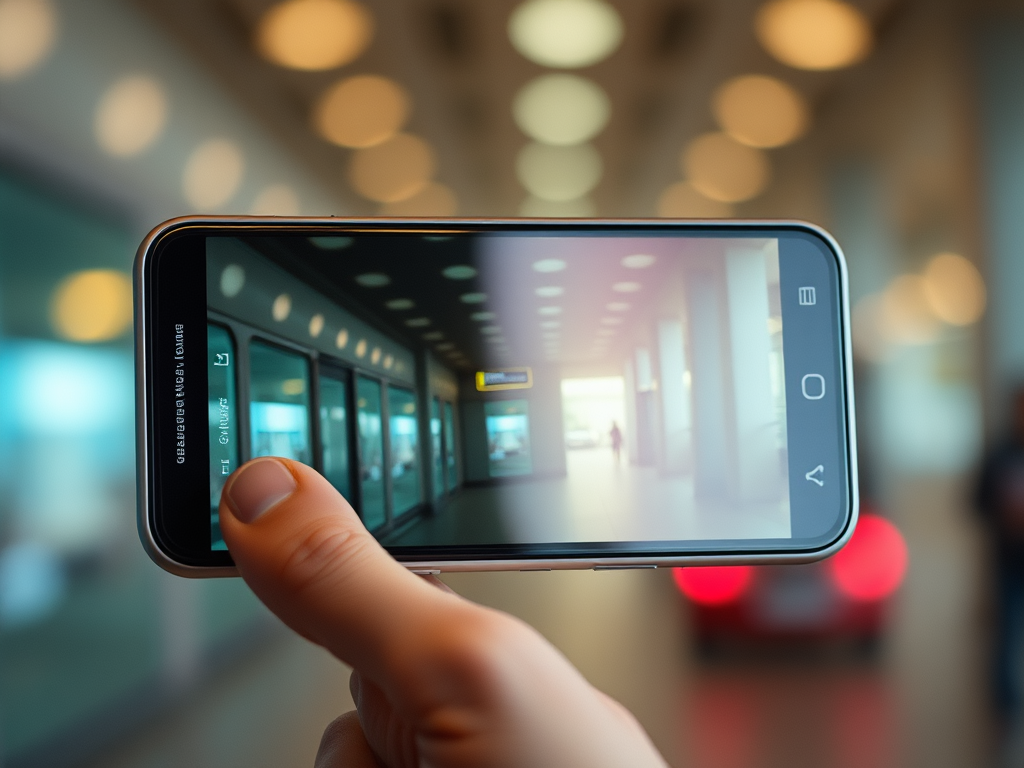
    We all have that one “luxury” we swear we couldn’t live without. For some, it might be a daily barista-made coffee, for others, a top-tier mattress. But for me, in this increasingly interconnected world, that one non-negotiable luxury is my flagship smartphone.


    Now, before you picture me sipping champagne on a private jet (though that sounds nice!), let’s clarify. It’s a luxury precisely because, yes, I could get by with a cheaper, more basic smartphone. But I choose not to. And in today’s digital landscape, that choice feels less like an indulgence and more like a necessity.


    Think about it. We live in an “ever-connected world.” Our phones aren’t just for calls anymore; they are our primary interface for navigating nearly every aspect of our lives. From managing work emails to banking, from ordering groceries to staying in touch with loved ones across continents, our smartphones are the hub.


    And in that hub, quality matters immensely.


    One of the biggest reasons my flagship phone holds such a vital place in my life is its photo capability. Our lives are a collection of moments, big and small, fleeting and profound. The ability to instantly capture those memories with stunning clarity and detail is invaluable.

    From candid family moments to breathtaking landscapes on a spontaneous road trip, my flagship phone’s camera ensures those memories are preserved beautifully, ready to be revisited and shared. It’s more than just taking a picture; it’s about holding onto a piece of time.


    Beyond the lens, the interface by which we use our phone is critical. A smooth, intuitive, and powerful operating system isn’t just about convenience; it’s about efficiency and reducing friction in our daily digital interactions. A flagship phone offers a seamless experience that allows me to navigate apps, multi-task, and access information without frustrating lags or crashes. In an age where every second counts, a responsive and well-designed interface empowers me to stay productive and engaged, rather than constantly battling my device.


    Some might argue it’s just a phone, but for me, it’s the gateway to so much more. It’s my portable office, my personal photographer, my entertainment hub, and my connection to the people and information that matter most. It’s the tool that allows me to fully participate in the digital age, rather than just observing it from the sidelines.


    So, while I appreciate the value in frugality, for me, investing in a flagship smartphone isn’t a frivolous expense. It’s a strategic decision that enhances my daily life, empowers my connections, and ensures I’m always ready to capture the next unforgettable moment. It’s the one luxury I truly can’t live without.


    What’s your indispensable luxury? Let me know in the comments below!

  • How do you know when it’s time to unplug? What do you do to make it happen?

    Daily writing prompt
    How do you know when it’s time to unplug? What do you do to make it happen?

    In today’s hyper-connected world, the constant stream of information can be both a blessing and a curse. While social media platforms like Facebook, Instagram, and YouTube offer incredible opportunities for connection and learning, there comes a point when the sheer volume can become overwhelming. For me, recognizing that tipping point is crucial for maintaining my well-being.


    So, how do I know when it’s time to unplug?


    The Information Overload Paralysis: One of the clearest signs for me is when the abundance of information becomes paralyzing. Instead of feeling informed or entertained, I start to feel overwhelmed by the sheer quantity of content. It’s like standing in front of a massive, overflowing buffet, but instead of feeling hungry, I feel a sense of dread at the thought of consuming any more. This often manifests as endless scrolling without true engagement, or feeling bogged down by a sense of “FOMO” – the fear of missing out. The constant bombardment of curated highlight reels and urgent notifications can create a relentless pressure to keep up, which quickly leads to exhaustion.


    When Mental Health Takes a Hit: This is perhaps the most critical indicator. When I notice that what I’m seeing on social media is actively impacting my mental health, it’s a huge red flag. The insidious trap of comparison is a common culprit here. It’s easy to scroll through feeds filled with perfectly curated lives, exotic vacations, and impressive achievements, and unconsciously start measuring my own life against these often unrealistic portrayals. When I find myself feeling sad, inadequate, or anxious about my own activities in comparison to others’ online personas, I know it’s time to step back. These platforms, while seemingly connecting us, can sometimes highlight our perceived shortcomings and leave us feeling more isolated than ever.


    So, what do I do to make it happen?


    The answer, surprisingly, is often simple: I just disconnect from my phone. It sounds almost too straightforward, but the physical act of putting down the device creates an immediate boundary. For me, unplugging isn’t about shunning technology entirely; it’s about creating space. It’s an opportunity to recollect myself, to re-center, and to become more grounded. This allows me to develop a stronger sense of self that isn’t easily swayed or affected by the carefully constructed lives others present on social channels.


    In essence, unplugging is my way of hitting the reset button. It allows me to reclaim my focus, nurture my own experiences, and remind myself that my worth isn’t determined by likes, shares, or the highlight reels of others. It’s a vital practice for navigating the digital landscape with greater awareness and protecting my peace of mind.


    How do you know when it’s time to unplug? Share your experiences in the comments below!

  • Do you remember life before the internet?

    Daily writing prompt
    Do you remember life before the internet?

    Life before the internet is a concept that might seem foreign to many, but for those of us who experienced it, it conjures a tapestry of vivid memories. I was fortunate enough to spend my formative years in the Philippines, specifically in the province of Pangasinan, during a time when digital connectivity was still a distant whisper. My childhood was not just wonderful; it was a masterclass in organic discovery, community, and the art of anticipation.

    Growing up, my days weren’t dictated by glowing screens or endless feeds. Instead, they unfolded outdoors, fueled by the boundless energy of youth and the simple joys of traditional games. Text and pogs weren’t digital messages or collectible discs, but rather the names of local street games, echoing with laughter and friendly competition. We played tumbang preso, a chaotic yet thrilling game of tag where an empty can was the coveted target, and piko, the Filipino version of hopscotch, drawn with chalk on dusty pathways. These weren’t just pastimes; they were rituals, forging bonds with neighbors and creating a shared understanding of fun that transcended language barriers.

    The world outside my home was a source of constant wonder, unmediated by algorithms. Information wasn’t at my fingertips; it was something to be sought out, discussed, and sometimes, patiently waited for. I vividly recall the exquisite agony and ultimate delight of waiting for my favorite songs to finally grace the airwaves. Radio waves carried not just music, but stories, news, and the collective heartbeat of the community. Similarly, television shows were events, not on-demand commodities. We planned our days around their broadcast times, gathering with family to watch, discuss, and sometimes, critique. This forced patience, this embrace of anticipation, instilled a deeper appreciation for content when it finally arrived.


    Contrast this with today’s instant gratification. Any piece of music, any film, any scrap of information is readily available with a few taps. While undeniably convenient, this constant accessibility can sometimes dull the edge of curiosity. Before the widespread use of the internet, if you wanted to know something, you had to actively pursue it. This often meant poring over encyclopedias, visiting libraries, or, most commonly, asking elders and experts in the community. Information was a journey, not a destination. This pursuit of knowledge often led to tangential discoveries, deepening understanding and fostering a genuine sense of intellectual exploration. The absence of readily searchable answers also left room for wonder and speculation, allowing our imaginations to fill in the blanks. There was a unique satisfaction in piecing together information, like solving a puzzle with limited clues.

    The internet has undeniably revolutionized our world, offering unprecedented access to information and connecting people across vast distances. Yet, there’s a part of me that deeply misses the slower pace, the tangible interactions, and the inherent magic of a world where discovery was a more deliberate and often communal experience. My childhood before the internet wasn’t lacking; it was rich with experiences that fostered creativity, resilience, and a profound appreciation for the present moment. It was a time when curiosity was a driving force, and the answers, when they finally came, felt all the more precious.