Tag: sustainability

  • Are There Things You Try To Practice Daily To Live a More Sustainable Lifestyle?

    Daily writing prompt
    Are there things you try to practice daily to live a more sustainable lifestyle?

    We hear a lot about living sustainably these days, and it can sometimes feel overwhelming. Big changes are important, but I’ve found that focusing on daily practices makes the idea of a sustainable lifestyle much more achievable. So, to answer the question, “Are there things you try to practice daily to live a more sustainable lifestyle?” – the answer is a resounding yes!


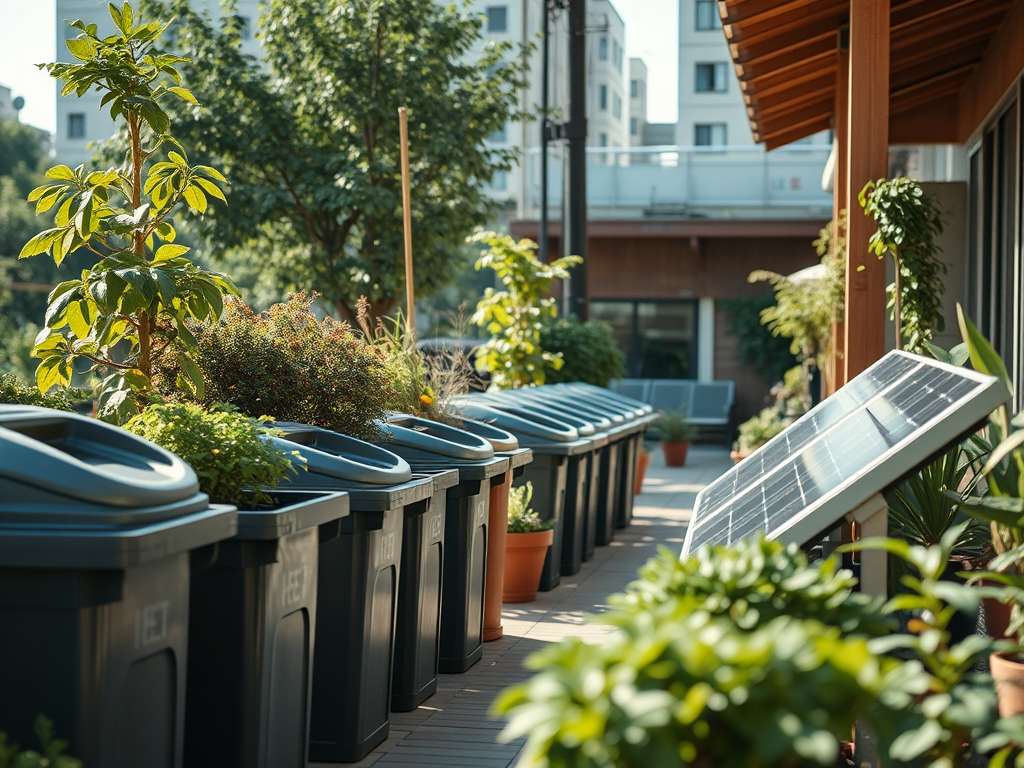
    One of the most tangible ways I’ve been trying to reduce my carbon footprint is by being more mindful of my plastic waste. I’ve made a conscious effort to recycle diligently. Seeing those bins filled with sorted plastics is a small but satisfying step in knowing I’m diverting waste from landfills.


    Beyond just recycling, I’ve really focused on conscious consumption, especially when it comes to produce and groceries. I try my best to only buy what I need, planning my meals and avoiding impulse buys that often end up going to waste. This not only helps the planet but also saves money – a nice little bonus!


    The 5 Rs (Reduce, Reuse, Recycle, Rethink, Refuse) have become a bit of a personal mantra. I actively try to lessen my consumption of products wrapped in plastic. It’s surprising how many everyday items have unnecessary layers of packaging! This also leads me to reuse whatever I can. Old plastic containers and glass jars have found new life as food storage or even quirky mugs. It’s amazing how a little creativity can extend the life of something that would otherwise be discarded.


    Even my wardrobe choices have started to shift. I now rethink my use of clothes by only buying clothes that are sustainable to wear. This means looking for quality pieces made from durable and ethically sourced materials, rather than chasing fleeting trends that contribute to fast fashion waste.
    Finally, I make a conscious effort to avoid or refuse to buy unnecessary items, especially single-use products with excessive packaging. Saying “no thank you” to that extra plastic bag or disposable utensil might seem small, but collectively, these refusals send a powerful message.


    The Benefits of Embracing a Sustainable Lifestyle


    Living sustainably isn’t just about reducing your impact; it also brings a host of positive benefits:

    • Environmental Protection: By adopting sustainable practices, you directly contribute to reducing climate change, pollution, the depletion of natural resources, and the protection of precious ecosystems and biodiversity.
    • Improved Health and Well-being: Making sustainable choices often leads to reduced exposure to harmful toxins, better air quality, increased physical activity (like walking or cycling), and a stronger connection to nature. These factors all contribute to better physical and mental health.
    • Cost Savings: Many sustainable habits can save you money! Think lower utility bills from conserving energy and water, reduced transportation costs, less spending on unnecessary items, and potentially cheaper food through gardening or minimizing waste.
    • Economic Benefits: Supporting sustainable practices helps foster ethical business models, promotes the circular economy, and even creates new “green” jobs.
    • Community Building: Sustainable living often encourages local engagement, sharing resources, and strengthening local economies.
    • A Greater Sense of Purpose: Knowing that your daily choices are contributing to a healthier planet and a better future for generations to come can provide a profound sense of purpose and fulfillment.

    Living sustainably isn’t about being perfect; it’s about making consistent, conscious choices every day. These small practices have become ingrained in my routine, and while there’s always more to learn and do, I find these daily efforts are making a positive impact, one step (and one recycled plastic) at a time.


    What are some of your daily sustainable practices? I’d love to hear your ideas!
  • “Aquarium: The Dark Hobby” – An Urgent Call to Protect Our Oceans

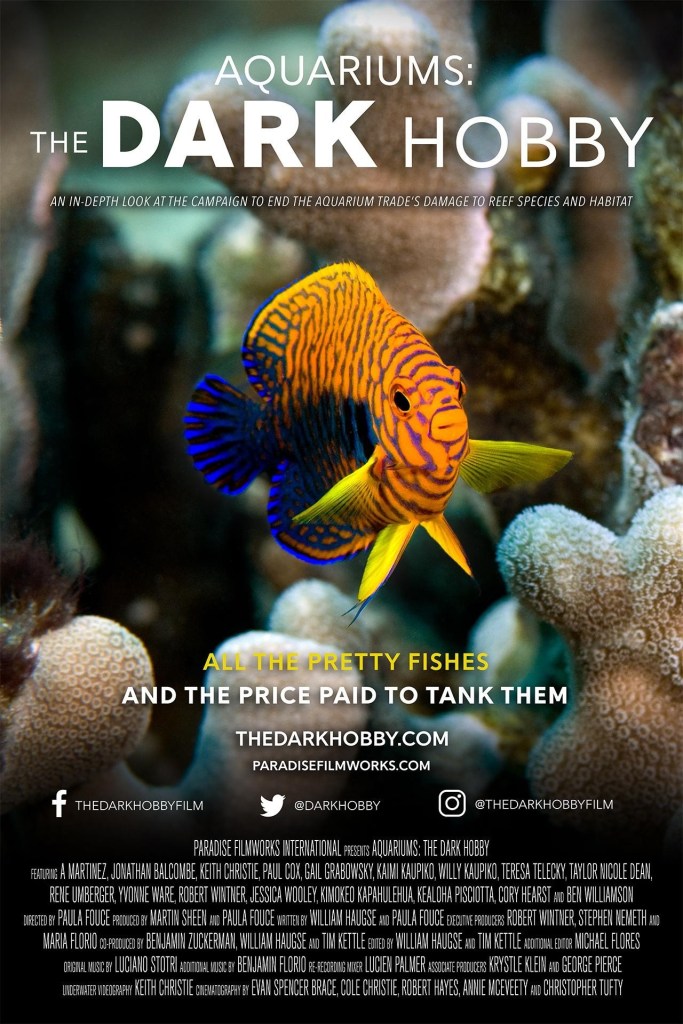
    Have you ever gazed into a vibrant home aquarium, mesmerized by the flashing colors of tropical fish, and wondered about their journey from the ocean to your living room? The documentary “Aquarium: The Dark Hobby” pulls back the curtain on this often-unseen journey, revealing a deeply troubling industry with devastating consequences for marine life and ecosystems. This film isn’t just an eye-opener; it’s an urgent call to action, demanding a fundamental shift in how we approach the capture and trade of marine species for the aquarium industry.

    The documentary lays bare the brutal realities of wild capture, exposing methods that are not only destructive to individual animals but also to the delicate coral reefs and habitats they call home. It highlights the shocking mortality rates, with countless fish, corals, and invertebrates dying at various stages – from the initial capture and transport to the wholesaler and finally, the consumer. This isn’t just about a few casualties; it’s a systemic problem built on a foundation of significant loss, a silent death toll that the industry rarely acknowledges.

    A Deep Dive into the Dark Hobby, Centered in Hawaii

    Much of the film’s compelling narrative is shot on location in Hawaii, a major hub for the collection of marine ornamental fish. The stunning underwater cinematography beautifully captures the richness of the reefs, making the subsequent scenes of destruction even more heartbreaking. The film showcases the efforts of Native Hawaiian elders, conservationists, and scientists who are battling against fish collectors to protect these tiny creatures, which are vital to the reef ecosystem. Their fight to halt the collection of reef creatures has even gone all the way to the Supreme Court.

    The documentary also shines a light on the influential role of lobbyists for the aquarium industry. It reveals how powerful groups, such as the Pet Industry Joint Advisory Council (PIJAC), have actively worked to resist stricter regulations and promote their interests. The film presents the arguments put forth by these lobbyists, often centering on economic hardship for collectors and claims of “sustainable” practices, even as evidence points to declining fish populations and damaged reefs. “Aquarium: The Dark Hobby” scrutinizes these arguments, highlighting the vast discrepancy between the industry’s rhetoric and the dire reality faced by marine ecosystems. It exposes how a narrative of sustainability is often used to justify practices that are anything but.

    “Aquarium: The Dark Hobby” makes it abundantly clear: our current rules and laws are woefully inadequate. They fail to protect vulnerable species, allow for unsustainable collection practices, and contribute to the decimation of marine biodiversity. The film doesn’t just point fingers; it provides a sobering look at how our continued patronage, often unwitting, fuels this destructive cycle. By allowing this industry to thrive with minimal oversight, we are, in essence, complicit in the death of marine life and the degradation of our planet’s most vital ecosystems.

    This documentary is more than just a collection of disturbing images; it’s a powerful argument for change. It compels us to ask difficult questions:

    • Should we continue to support an industry built on such high mortality rates?
    • Are the aesthetic pleasures of a home aquarium worth the irreparable damage to our oceans?
    • What are our responsibilities as consumers and citizens to advocate for stronger protections?

    The call to action is undeniable. We need to demand stricter regulations, enforce sustainable collection practices, and explore viable alternatives such as captive breeding. Consumers have immense power. By choosing not to purchase wild-caught marine animals, by supporting ethical and responsible aquaculture, and by educating ourselves and others, we can send a clear message that the “dark hobby” is no longer acceptable.

    “Aquarium: The Dark Hobby” is a must-watch for anyone who cares about the health of our oceans. It’s a challenging film, but one that offers the crucial insight needed to spark meaningful change. Let this documentary be the catalyst for a global conversation, and more importantly, for concrete actions that ensure the vibrant marine life we cherish remains in its rightful home – the vast, wild, and awe-inspiring ocean.