Tag: Review

  • What is Your Favorite Genre of Music

    Daily writing prompt
    What is your favorite genre of music?

    If you were to peek into my music library, you’d quickly notice a recurring theme. While I appreciate the intricate melodies of classical, the raw energy of rock, and the soulful depths of R&B, there’s one genre that consistently dominates my playlists and brightens my day: Pop. Yes, you heard that right! For me, pop music isn’t just a genre; it’s a vibrant, ever-evolving soundtrack to life itself, and I’m here to tell you why it holds such a special place in my musical heart.


    One of the most captivating aspects of pop music is its undeniable connection to pop culture. Pop isn’t just about the songs; it’s about the artists, the fashion, the trends, and the conversations that define an era. When a new pop song drops, it’s often accompanied by a buzz that transcends the music itself. From iconic music videos that become cultural touchstones to dance challenges that sweep across social media, pop music is inherently intertwined with the contemporary zeitgeist. It’s the music playing in the background of our collective memories, shaping and reflecting the world around us. This connection creates a sense of shared experience, making pop music a powerful force for unity and expression.


    Furthermore, pop music has an incredible sense of recency and innovation. Unlike genres that often delve into established traditions, pop is constantly reinventing itself. It’s a chameleon, effortlessly blending elements from other genres – be it electronic beats, hip-hop rhythms, or even classical orchestration – to create something fresh and exciting. This constant evolution means there’s always something new to discover, a fresh sound to explore. It keeps the listening experience dynamic and prevents stagnation. Just when you think you’ve heard it all, a new pop artist emerges with a groundbreaking sound or an established star reinvents their style, keeping us all on our toes.


    But beyond its cultural relevance and innovative spirit, let’s talk about the sheer feel of pop music. For the most part, pop delivers upbeat, infectious energy. There’s an inherent optimism woven into many pop tracks, characterized by catchy melodies, memorable hooks, and pulsating rhythms that make you want to move.

    Whether I’m getting ready for the day, hitting the gym, or just needing a pick-me-up, a good pop song is my go-to. It has an uncanny ability to lift spirits, create a positive atmosphere, and even provide a much-needed burst of motivation. It’s the kind of music that can turn a mundane commute into a mini-dance party.


    Perhaps the most defining characteristic of pop music is its remarkable ability to cater to a general audience. Pop, by its very nature, aims for broad appeal. This isn’t a criticism; it’s a testament to its genius. Pop artists and producers are masters at crafting songs that resonate with people from all walks of life, regardless of age, background, or musical preference. This accessibility is what makes pop music so pervasive – it’s the soundtrack to grocery store aisles, movie montages, and celebratory gatherings. It’s the common musical denominator that brings people together, fostering a sense of shared joy and understanding. The themes are often universal – love, heartbreak, triumph, self-discovery – making it easy for listeners to connect with the lyrics on a personal level.


    Beyond these core strengths, pop music also shines in its versatility. While often upbeat, pop can also deliver powerful ballads that tug at the heartstrings, experimental tracks that push boundaries, and anthems that inspire. The genre isn’t confined to a single sound or style; it’s a broad umbrella under which a multitude of artistic expressions can flourish. This diversity ensures that there’s a pop song for every mood and every moment.


    In conclusion, my love affair with pop music runs deep. It’s more than just catchy tunes; it’s a vibrant, ever-evolving cultural force that brings people together, keeps us dancing, and constantly offers something new to discover. Its connection to our shared experiences, its endless innovation, its uplifting energy, and its universal appeal make it, without a doubt, my absolute favorite genre. So, crank up your favorite pop anthem, and let the good vibes roll!


    What are some of your favorite pop artists or songs? I’d love to hear your recommendations!

  • “Mickey 17”: An Expendable Hero’s Enduring Spirit in an Absurd Universe

    “Mickey 17” is a cinematic experience that defies easy categorization, blending sci-fi spectacle with surprising depth and a darkly comedic take on human nature. At its core, the film presents a protagonist who, despite his seemingly expendable existence, becomes remarkably relatable, embodying a universal struggle against life’s relentless knocks. It’s a thought-provoking and visually striking movie that is definitely worth seeing.

    The film centers on Mickey Barnes, portrayed by the versatile Robert Pattinson. Mickey is an “expendable,” a disposable employee on a perilous human expedition to colonize the ice planet Niflheim. Whenever Mickey dies, a new clone, Mickey 17, Mickey 18, and so on, is created with all his memories intact, effectively continuing his consciousness. This premise immediately establishes Mickey’s seemingly insignificant status, yet it’s precisely this expendability that makes him so profoundly relatable. He’s the everyman in an extraordinary situation, constantly facing danger and death, only to be resurrected and sent back into the fray. Mickey symbolizes the human spirit’s resilience: no matter how many times life knocks you down, you have to get back up and keep fighting. His quiet determination, even in the face of his own perceived worthlessness, resonates deeply, making you root for him against all odds.

    The absurdity of Mickey’s situation is often mirrored in the film’s portrayal of leadership and power dynamics. Scenes involving Commander Marshall, played by a gruff and often exasperated Mark Ruffalo, and the colony’s chief engineer, played by the brilliant Toni Collette, frequently highlight the bizarre and sometimes illogical decisions made by those in authority. Their interactions, filled with bureaucratic jargon and self-serving pronouncements, serve as a darkly humorous commentary on how politics and leadership can descend into utter absurdity, even when humanity’s survival is at stake. The stark contrast between Mickey’s ground-level struggle and the often detached, self-important machinations of the command structure adds a layer of biting satire to the narrative.

    The Plot: A Clone’s Fight for Existence

    The story picks up with Mickey 17, the latest iteration of the expendable, navigating the treacherous conditions of Niflheim and the demanding missions assigned by Commander Marshall. His primary role is to undertake the most dangerous tasks, from exploring uncharted, lethal territories to fixing critical infrastructure in hazardous environments. Each death is a reset, but with each new clone, Mickey finds himself questioning his identity and purpose.

    A key figure in Mickey’s life is his love interest, Glorious Nifli, played by the talented Naomi Ackie. Glorious is a fellow colonist who shares a complicated and passionate relationship with Mickey. Their love affair provides a vital human connection amidst the bleak and dangerous environment, offering Mickey moments of solace and a deeper reason to fight for his existence. Her understanding and acceptance of his unique situation, despite the inherent strangeness of a new clone appearing after each death, adds an emotional anchor to Mickey’s otherwise isolating journey.

    The central conflict arises when Mickey 17, presumed dead after a particularly perilous mission, unexpectedly returns to the colony, only to discover that Mickey 18 has already been activated. This creates a terrifying dilemma: two versions of the same individual, a direct violation of the colony’s strict “no duplicates” rule, which carries the ultimate penalty. Mickey and Mickey 18 must now desperately try to hide their shared existence from the vigilant and unforgiving leadership.

    Adding to the complexity is Berto, portrayed by Steven Yeun. Berto is a member of the colony’s crew, often seen in the medical or cloning facility, and appears to have a more direct involvement with the process of Mickey’s “rebirths.” His presence subtly underscores the ethical and practical implications of the expendable program, and his interactions with Mickey provide another lens through which to view the unique challenges faced by the protagonist.

    As they navigate this precarious situation, the film delves into the moral and existential questions surrounding cloning, identity, and the value of a single life. Mickey’s struggle to assert his individuality and prove his worth, even when he is technically replaceable, forms the emotional backbone of the plot. The tension mounts as Commander Marshall and his officers, including the pragmatic and sometimes ruthless chief engineer, begin to suspect something is amiss. The film becomes a tense cat-and-mouse game, with Mickey and his clone attempting to outwit the authorities while simultaneously grappling with their own fractured sense of self.

    Bong Joon-ho’s Vision: Blending Sci-Fi, Satire, and Humanity

    The distinct tone and thematic depth of “Mickey 17” are unmistakably products of director Bong Joon-ho’s masterful hand. Known for his genre-bending and incisive social commentary in films like “Parasite,” “Snowpiercer,” and “Okja,” Bong brings his unique sensibilities to this sci-fi landscape. His direction ensures that even amidst the futuristic setting and existential dread, the film remains firmly rooted in human experience. Bong excels at blending dark humor with biting satire, often using the absurdities of the plot to critique societal structures and the folly of those in power. He crafts a visually immersive world that feels both alien and strangely familiar, pulling viewers into Niflheim’s dangerous environment while never losing sight of the intimate struggles of its characters. His signature touch is evident in the meticulous pacing, the carefully constructed tension, and the way he elicits nuanced performances from his ensemble cast, making even the most outlandish scenarios feel grounded in relatable human emotion.

    “Mickey 17” is a compelling and unique film that uses its sci-fi premise to explore deeply human themes. It’s a testament to the power of resilience, a sharp critique of bureaucratic absurdity, and a truly engaging story of one “expendable” man’s fight for his right to exist. Robert Pattinson delivers a nuanced performance that anchors the film, making Mickey’s plight surprisingly resonant. It’s a movie that will stay with you long after the credits roll, prompting reflection on what it truly means to be alive, and to fight for it.

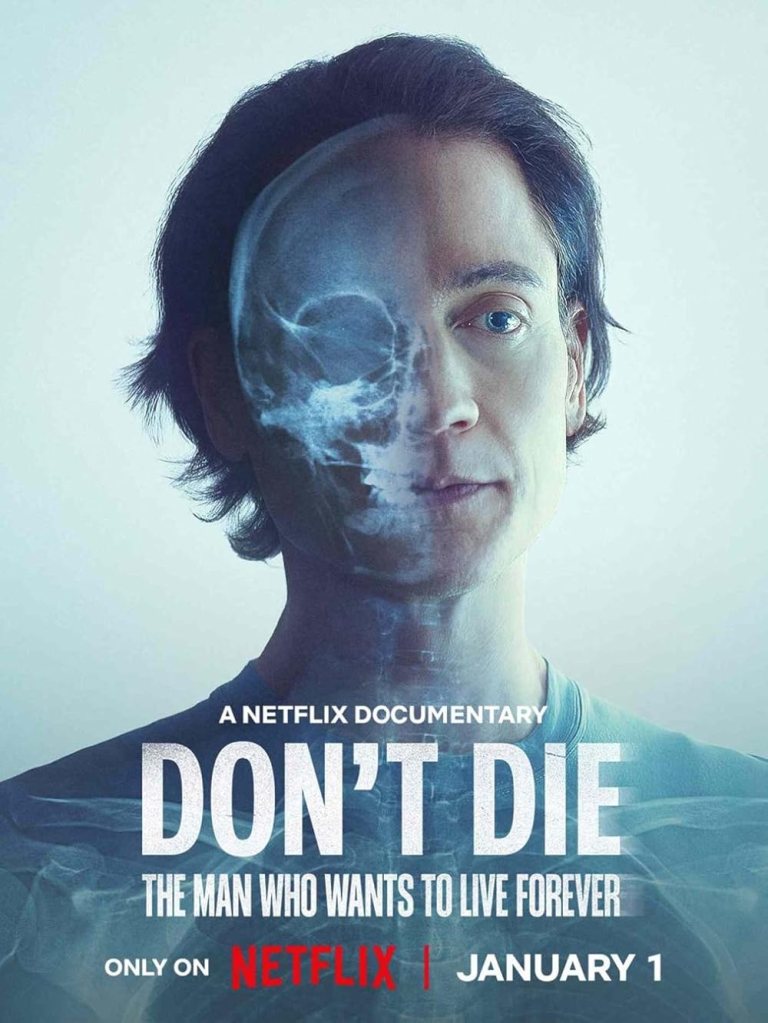
  • “Don’t Die”: A Glimpse into Brian Johnson’s Extreme Longevity Journey

    Tech billionaire Brian Johnson has captured the internet’s attention with his intense and highly publicized quest for longevity, known as “Project Blueprint.” Now, a new film, aptly titled “Don’t Die,” offers a more intimate look into Johnson’s life, particularly his relationship with his son and the visible impact of his unconventional health regimen. While Johnson’s philosophy might strike some as extreme, the documentary presents an interesting case study on dedication, personal transformation, and the pursuit of well-being, however unique.

    One of the most compelling aspects of “Don’t Die” is its portrayal of Brian Johnson as a father. We see genuine moments of connection and quality time shared with his son, offering a glimpse into the personal motivations behind his rigorous lifestyle. It’s clear that Johnson’s pursuit of longevity isn’t solely for himself but perhaps also rooted in a desire to be present and healthy for his family. These scenes add a layer of humanity to a figure often viewed through the lens of his intense health protocols.

    Visually, the film doesn’t shy away from showcasing the results of Johnson’s dedication. Whether you agree with his methods or not, it’s undeniable that Johnson exudes a certain vitality. His appearance, as highlighted in the documentary, suggests a man deeply invested in his well-being. There’s a youthful glow and an energetic presence that seems to contradict his chronological age. The film subtly implies that this could be a direct result of his unwavering commitment to his “Blueprint” program.

    The Science Behind the Blueprint: Food, Vitamins, and Meticulous Measurement

    “Don’t Die” offers glimpses into the scientific rigor underpinning Johnson’s “Project Blueprint.” His approach is centered on precise measurement and optimization of numerous biomarkers, striving to achieve the biological age of a younger individual.

    His food regimen is highly controlled and plant-based, with an approximate daily calorie intake of 2,250. Every calorie, as he explains, is “purpose driven,” meaning it must contribute a specific benefit to his body. His diet focuses on superfoods like broccoli, cauliflower, black lentils, ginger, berries, nuts, and seeds. He avoids sugar, junk food, fried food, highly processed food, dairy, pasta, bread, and alcohol. His meals are eaten within a tight window, typically between 6 am and 11:30 am, and include dishes he refers to as “Super Veggie” (containing items like broccoli, cauliflower, black lentils, mushrooms, garlic, and ginger) and “Nutty Pudding” (made with protein powder, blueberries, and blackberries, among other ingredients).

    To supplement his diet, Johnson adheres to an extensive vitamin and supplement regimen. He takes over 100 supplements and pills daily, including a “Blueprint Stack” that consists of seven multivitamin and multimineral products, containing 74 compounds. Some notable compounds he takes include Ca-AKG (Calcium Alpha-Ketoglutarate), NR (Nicotinamide Riboside) or NMN (Nicotinamide Mononucleotide), Taurine, Nordihydroguaiaretic Acid (NDGA), Sulforaphane, CoQ10 (Coenzyme Q10), Turmeric (Curcumin), N-Acetyl-L-Cysteine (NAC), low-dose Lithium, Resveratrol, and Metformin. He also takes specific vitamins like D3 and K2, and consumes collagen peptides.

    The precision of “Project Blueprint” extends to Johnson’s meticulous tracking of his body and its functions. He regularly takes hundreds of measurements of his body’s biological processes. For assessing body fat, he uses methods like DEXA scans, which measure body fat, muscle volume, and visceral fat. He has reported being in the top 99.5% for highest muscle volume and bottom 0.5% for visceral, muscle, and subcutaneous fat volume. Beyond body composition, he monitors an extensive array of biomarkers, including blood glucose, cholesterol levels (LDL, HDL), inflammation markers (hsCRP), vitamin D, Omega-3s, liver enzymes (AST/ALT), kidney function (Cystatin-C), and even telomere length. He also undergoes various fitness tests like continuous push-ups, a sit-rise test, waist-to-height ratio, grip strength, and a one-leg stand balance test. This comprehensive approach to self-measurement is a cornerstone of his attempt to understand and optimize his body.

    What truly makes “Don’t Die” an interesting watch is the evident enjoyment Johnson seems to derive from his chosen path. Despite the strict routines and unconventional dietary choices, the film captures a sense of fulfillment in his pursuit. He speaks passionately about his journey, and there’s a palpable sense of satisfaction in the changes he has implemented. This genuine enthusiasm is infectious and might lead viewers to consider their own approaches to health and well-being, even if they don’t subscribe to Johnson’s extreme methodologies.

    “Don’t Die” doesn’t necessarily endorse Brian Johnson’s specific health philosophy. Instead, it presents a portrait of a man who has made significant and arguably positive changes in his life, at least as evidenced by his own demeanor and reflections. The documentary leaves room for viewers to form their own conclusions about the practicality and desirability of such an intense regimen.

    Ultimately, “Don’t Die” is an intriguing exploration of one individual’s dedicated journey towards longevity. It highlights the importance of intentional living and the potential for positive transformation when someone fully commits to a chosen path. While Brian Johnson’s methods may be extreme, the film offers a compelling look at a man who appears to be genuinely enjoying the process and reaping visible benefits, making it a worthwhile watch for those curious about the cutting edge of personal health and well-being.

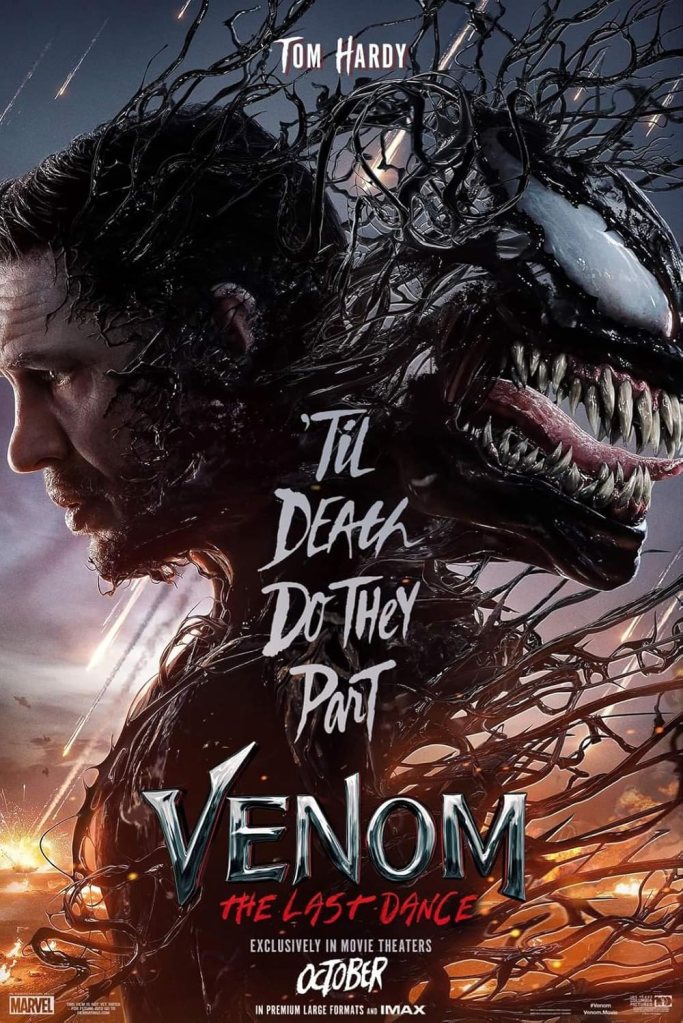
  • Venom: The Last Dance – A Symbiotic Spectacle of Explosive Entertainment!

    Get ready for a wild ride because Venom: The Last Dance is here, and it’s an absolute blast from start to finish! If you’re looking for a movie that grabs you by the throat (in a friendly, symbiotic way, of course) and doesn’t let go until the credits roll, then look no further. This latest installment in the Venom saga cranks up the dial on the action, the laughs, and most importantly, the unique bond between the alien symbiote and its human host, Eddie Brock, played by the incomparable Tom Hardy.

    From the moment the film kicks off, you’re thrown headfirst into a whirlwind of chaos. Director Kelly Marcel (who also penned the screenplay) understands exactly what audiences love about this franchise: high-octane action sequences that are as creative as they are explosive. Cars are flipped, buildings crumble, and tentacles flail in a mesmerizing dance of destruction. Each action set piece feels bigger and bolder than the last, leaving you on the edge of your seat, breathlessly anticipating what mayhem Eddie and Venom will unleash next.

    But “Venom: The Last Dance” isn’t just about mindless explosions. What truly elevates this film is the heart at its core – the complex and often hilarious relationship between Eddie Brock, once again brilliantly portrayed by Tom Hardy, and his alien other half, Venom, also voiced by Tom Hardy. This isn’t just a parasitic relationship; it’s a genuine partnership, a bizarre yet touching bromance between two very different beings learning to coexist and rely on each other. Hardy masterfully portrays both the down-on-his-luck journalist and the gruff, alien voice within, creating a dynamic that is both entertaining and surprisingly poignant. You genuinely root for these two misfits, even as they’re causing widespread pandemonium. The film expertly balances the humor that stems from their odd-couple dynamic with moments of genuine emotional connection, reminding us that even the most unlikely pairings can forge unbreakable bonds.

    Adding to the dynamic cast are familiar faces and new intriguing characters. Chiwetel Ejiofor joins the fray as General Rex Strickland, a formidable military commander tracking Eddie and Venom, and Juno Temple shines as Dr. Teddy Paine, a scientist who plays a crucial role in understanding the symbiotes. Peggy Lu also returns as the ever-present Mrs. Chen, providing some welcome moments of comic relief. And speaking of Mrs. Chen, be prepared for a truly unforgettable moment – the dance with Mrs. Chen is absolutely a must-see! It’s a hilarious and surprisingly heartwarming highlight that perfectly encapsulates the quirky charm of this franchise.

    The role of the scientists in “Venom: The Last Dance” is particularly highlighted and is far from a mere plot device. Dr. Teddy Paine and her assistant Sadie (played by Clark Backo) are central to the government’s Imperium operation, which is dedicated to capturing and studying symbiotes that have fallen to Earth. Their research at Area 51 (or rather, Area 55, a facility hundred feet underground) is critical to understanding the symbiotes’ origins and purpose, and even the threat posed by the creator of all symbiotes, Knull (voiced by Andy Serkis). The film cleverly weaves in the scientific efforts to contain and comprehend these alien entities, creating a layer of intrigue and stakes beyond just the raw action. While General Strickland represents the military approach of capture and control, Dr. Paine often embodies a more nuanced, empathetic perspective towards the symbiotes, driven by a desire for knowledge and even a sense of understanding. Their experiments and discoveries are not only key to the plot’s progression but also raise ethical questions about scientific pursuit and the consequences of meddling with unknown extraterrestrial life.

    While the plot itself is a rollercoaster of twists and turns, it’s the sheer entertainment value that truly shines. “Venom: The Last Dance” knows exactly what kind of movie it is – a fun, action-packed spectacle that doesn’t take itself too seriously. It delivers on its promise of thrilling action sequences, laugh-out-loud moments, and a deeper exploration of the endearing relationship between Eddie and Venom.

    If you’re a fan of the previous Venom films, or simply looking for an exhilarating and thoroughly enjoyable cinematic experience, then “Venom: The Last Dance” is a must-see. It’s a testament to the enduring appeal of these characters and a fantastic reminder that sometimes, the most unexpected partnerships can lead to the most entertaining adventures. So grab your popcorn, settle into your seat, and get ready to cheer for the chaotic, explosive, and surprisingly heartwarming final dance of Venom and Eddie Brock. You won’t be disappointed!

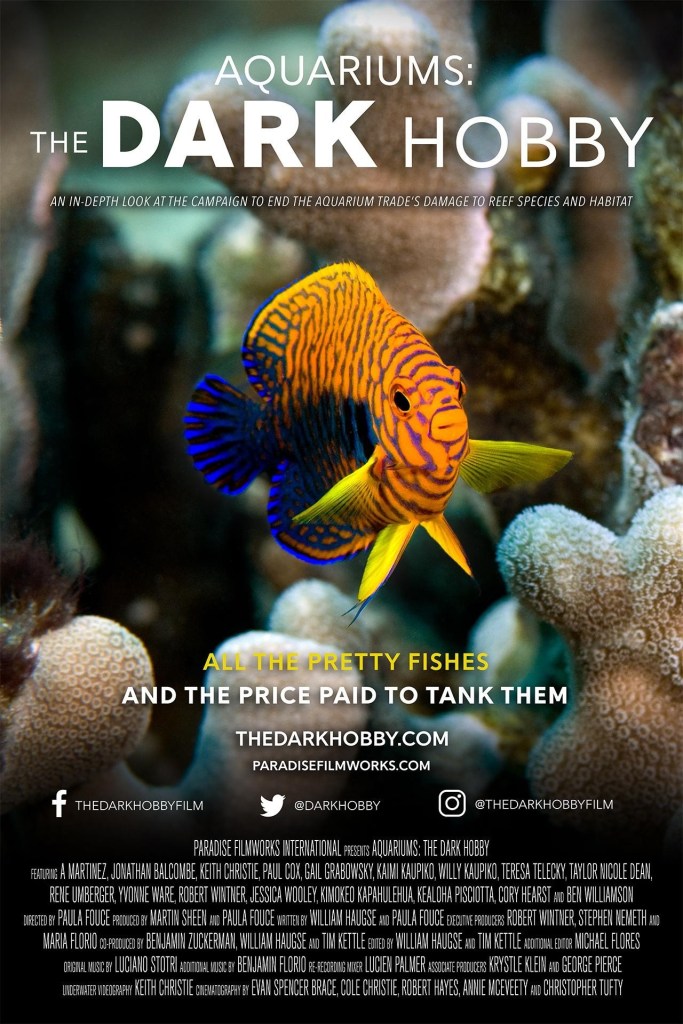
  • “Aquarium: The Dark Hobby” – An Urgent Call to Protect Our Oceans

    Have you ever gazed into a vibrant home aquarium, mesmerized by the flashing colors of tropical fish, and wondered about their journey from the ocean to your living room? The documentary “Aquarium: The Dark Hobby” pulls back the curtain on this often-unseen journey, revealing a deeply troubling industry with devastating consequences for marine life and ecosystems. This film isn’t just an eye-opener; it’s an urgent call to action, demanding a fundamental shift in how we approach the capture and trade of marine species for the aquarium industry.

    The documentary lays bare the brutal realities of wild capture, exposing methods that are not only destructive to individual animals but also to the delicate coral reefs and habitats they call home. It highlights the shocking mortality rates, with countless fish, corals, and invertebrates dying at various stages – from the initial capture and transport to the wholesaler and finally, the consumer. This isn’t just about a few casualties; it’s a systemic problem built on a foundation of significant loss, a silent death toll that the industry rarely acknowledges.

    A Deep Dive into the Dark Hobby, Centered in Hawaii

    Much of the film’s compelling narrative is shot on location in Hawaii, a major hub for the collection of marine ornamental fish. The stunning underwater cinematography beautifully captures the richness of the reefs, making the subsequent scenes of destruction even more heartbreaking. The film showcases the efforts of Native Hawaiian elders, conservationists, and scientists who are battling against fish collectors to protect these tiny creatures, which are vital to the reef ecosystem. Their fight to halt the collection of reef creatures has even gone all the way to the Supreme Court.

    The documentary also shines a light on the influential role of lobbyists for the aquarium industry. It reveals how powerful groups, such as the Pet Industry Joint Advisory Council (PIJAC), have actively worked to resist stricter regulations and promote their interests. The film presents the arguments put forth by these lobbyists, often centering on economic hardship for collectors and claims of “sustainable” practices, even as evidence points to declining fish populations and damaged reefs. “Aquarium: The Dark Hobby” scrutinizes these arguments, highlighting the vast discrepancy between the industry’s rhetoric and the dire reality faced by marine ecosystems. It exposes how a narrative of sustainability is often used to justify practices that are anything but.

    “Aquarium: The Dark Hobby” makes it abundantly clear: our current rules and laws are woefully inadequate. They fail to protect vulnerable species, allow for unsustainable collection practices, and contribute to the decimation of marine biodiversity. The film doesn’t just point fingers; it provides a sobering look at how our continued patronage, often unwitting, fuels this destructive cycle. By allowing this industry to thrive with minimal oversight, we are, in essence, complicit in the death of marine life and the degradation of our planet’s most vital ecosystems.

    This documentary is more than just a collection of disturbing images; it’s a powerful argument for change. It compels us to ask difficult questions:

    • Should we continue to support an industry built on such high mortality rates?
    • Are the aesthetic pleasures of a home aquarium worth the irreparable damage to our oceans?
    • What are our responsibilities as consumers and citizens to advocate for stronger protections?

    The call to action is undeniable. We need to demand stricter regulations, enforce sustainable collection practices, and explore viable alternatives such as captive breeding. Consumers have immense power. By choosing not to purchase wild-caught marine animals, by supporting ethical and responsible aquaculture, and by educating ourselves and others, we can send a clear message that the “dark hobby” is no longer acceptable.

    “Aquarium: The Dark Hobby” is a must-watch for anyone who cares about the health of our oceans. It’s a challenging film, but one that offers the crucial insight needed to spark meaningful change. Let this documentary be the catalyst for a global conversation, and more importantly, for concrete actions that ensure the vibrant marine life we cherish remains in its rightful home – the vast, wild, and awe-inspiring ocean.

  • Do you remember your favorite book from childhood

    Daily writing prompt
    Do you remember your favorite book from childhood?


    There’s something truly special about the books that capture our imaginations as children. They stick with us, shaping our perspectives and offering comfort long after we’ve turned the last page. For me, one book stands out vividly: The Little Prince by Antoine de Saint-Exupéry.


    This isn’t just a children’s book; it’s a profound journey into the heart of what it means to be human. Even now, the lessons gleaned from its whimsical pages resonate deeply.


    Beyond the Obvious: Cultivating Imagination and New Perspectives


    One of the most powerful messages The Little Prince imparts is the importance of thinking outside the box and embracing imagination. The narrator, a pilot, struggles to be understood by adults who have forgotten how to see with their hearts. They see a drawing of a boa constrictor digesting an elephant as merely a hat, highlighting how quickly we lose our ability to perceive beyond the literal.

    The book constantly challenges us to look at problems from different angles and to value the imaginative perspective that children often possess. It reminds us that sometimes, the most profound truths are not found in logical deductions, but in intuitive leaps.


    The True Meaning of Connection and Responsibility


    The Little Prince also offers timeless wisdom about the nature of relationships and responsibility. The prince’s unique bond with his rose, despite her vanity and his frustrations, leads to one of the book’s most famous quotes: “It is the time you have wasted for your rose that makes your rose so important.” This beautiful sentiment speaks volumes about how our investment – our time, our effort, our love – is what truly imbues people, things, and experiences with value. It’s not about inherent worth, but about the significance we create through our care.


    This idea is further reinforced by another memorable line: “You are responsible, forever, for what you have tamed.” This quote extends beyond just relationships with others; it applies to anything we choose to nurture and dedicate ourselves to. Whether it’s a friendship, a passion project, or even our own personal growth, the time and energy we invest create a lasting bond and an enduring responsibility.


    Seeing with the Heart: The Invisible Essentials


    Perhaps the most poignant lesson from The Little Prince is encapsulated in the quote: “It is only with the heart that one can see rightly; what is essential is invisible to the eye.” In a world often preoccupied with appearances and superficialities, this message is a vital reminder to look beyond the surface. True understanding, genuine connection, and profound meaning are often found not in what we can logically analyze or physically observe, but in what we feel, what we intuit, and what resonates with our innermost being. It teaches us to trust our instincts and to prioritize empathy and emotional intelligence.


    The Little Prince remains a cherished part of my childhood, a constant source of wonder and a gentle guide for navigating the complexities of adulthood. It reminds me to nurture my imagination, to cherish my connections, and to always strive to see with my heart.


    What was your favorite book from childhood, and what lessons did it teach you?

  • The White Lotus Season 3: A Journey to Enlightenment (or Delusion) in Thailand

    The White Lotus Season 3 transports us to the lush, spiritual, and sometimes unsettling landscapes of Thailand, once again proving Mike White’s unparalleled ability to craft a compelling social satire. This season, the luxurious resort serves as a crucible where a new set of privileged guests grapple with their inner demons, seeking enlightenment, connection, or perhaps just a deeper understanding of their own complex desires, all while their lives become wonderfully and often tragically interwoven.

    From the outset, the season subtly hints at a quest for something beyond the superficial. While the signature dark humor and biting critiques of wealth and privilege remain, there’s a palpable undercurrent of characters striving for a more profound experience, whether through spiritual retreats, romantic entanglements, or confronting long-buried truths. Each character’s journey feels like a meticulously observed case study in self-discovery, or rather, the often-messy path towards it.

    The narrative arcs are a true highlight, unfolding with a deliberate pace that allows for deep character exploration. We follow individuals who arrive with preconceived notions, burdened by expectations, or simply lost in their own lives. As the episodes progress, their carefully constructed facades begin to crumble, revealing vulnerabilities, hidden desires, and the often-painful realities they’ve tried to outrun. The beauty lies in how these individual quests for meaning intersect and influence one another. A seemingly innocent conversation can spark a profound realization, a casual encounter can lead to a life-altering decision, and the ripple effects of one person’s actions are felt across the entire ensemble. The writing masterfully weaves these disparate threads into a rich tapestry, showcasing how interconnected human lives truly are, even in the most isolated of paradises. The characters are not merely observed; they are deeply followed, their internal struggles and external interactions meticulously charted, making their eventual transformations (or lack thereof) all the more impactful.

    Among the diverse cast, several main characters stand out, each embarking on their own distinct, yet interconnected, journey towards (or away from) enlightenment.

    • Natasha Rothwell returns as Belinda Lindsey, the spa manager from Season 1, now on a work exchange in Thailand, seeking to rekindle her dreams of a wellness business after her previous disappointments. Her journey explores themes of ambition, resilience, and the challenges of navigating the world of the ultra-rich.
    • Walton Goggins portrays Rick Hatchett, a rugged and embittered man traveling with his much younger girlfriend, Chelsea. His arc delves into midlife crises, societal expectations, and the search for meaning when past achievements no longer suffice.
    • Aimee Lou Wood plays Chelsea, Rick’s free-spirited companion. Her character explores themes of youth, dependency, and the complexities of relationships with significant age gaps, as she navigates her own desires amidst Rick’s turmoil.
    • Michelle Monaghan is Jaclyn Lemon, a successful television actress. Her storyline, alongside her childhood friends Laurie and Kate, examines the pressures of fame, the facade of perfection, and the often-strained dynamics of long-standing female friendships.
    • Carrie Coon as Laurie Duffy, a corporate lawyer, and Leslie Bibb as Kate Bohr, a cheerful socialite, complete this trio of friends. Their interactions highlight different approaches to life’s challenges, from career anxieties to marital woes, all while seeking a renewed sense of purpose.
    • Jason Isaacs as Timothy Ratliff and Parker Posey as Victoria Ratliff lead a wealthy family on vacation with their children. Their narrative explores generational wealth, family dynamics, and the pursuit of status, often clashing with the more spiritual undertones of their surroundings.
    • Their children, Piper Ratliff (Sarah Catherine Hook), Saxon Ratliff (Patrick Schwarzenegger), and Lochlan Ratliff (Sam Nivola), each face their own coming-of-age moments or reckonings with privilege and identity, often through encounters with the local culture and staff.
    • Lalisa Manobal (Lisa from Blackpink) makes her acting debut as Mook, a health mentor at the White Lotus wellness resort. Her character offers a glimpse into the local perspective and the intersection of traditional practices with the demands of luxury tourism.

    Through each episode, we delve deeper into their psyches, witnessing their struggles with ego, desire, and the elusive nature of true peace, as the Thai setting subtly mirrors their internal landscapes.

    Thailand itself emerges as a character in its own right, an exceptional shooting location that elevates the entire season. The stunning natural beauty, from pristine beaches to ancient temples, provides a visually breathtaking backdrop. More than just aesthetics, the spiritual traditions and cultural nuances of Thailand imbue the season with a unique atmosphere. The vibrant markets, the serene monasteries, and the pervasive sense of a deeper, more ancient wisdom subtly challenge the Western guests’ materialistic pursuits and self-absorption. The contrast between the guests’ inner turmoil and the tranquil, often spiritual, surroundings creates a powerful tension, highlighting their detachment from genuine peace.

    In essence, The White Lotus Season 3 is a captivating exploration of the human condition, set against an utterly magnificent canvas. It’s a testament to brilliant storytelling, where every character’s journey, whether towards genuine enlightenment or deeper delusion, contributes to a wonderfully interwoven and unforgettable narrative.

  • A Heartfelt Return to Paradise: Lilo & Stitch Live-Action Review

    Stepping into the world of the live-action Lilo & Stitch felt less like watching a new movie and more like a warm, comforting hug from my past. From the moment the familiar strains of Hawaiian music began, a wave of pure nostalgia washed over me, transporting me straight back to the carefree days of my childhood, curled up in front of the TV, utterly captivated by the original animated classic.

    This adaptation truly understands the magic that made the 2002 film so beloved. It’s wonderful to see how faithfully it captures the spirit of Lilo and Stitch’s unique bond, the quirky charm of their Hawaiian home, and the profound message of ‘ohana. The casting feels spot-on, with the young actors embodying the innocence of Lilo and the mischievous yet endearing nature of Stitch with remarkable authenticity. Seeing these characters, who were such a significant part of my formative years, brought to life in a new way is incredibly moving.

    The film beautifully balances the playful antics of Experiment 626 with the genuine emotional depth of Lilo’s journey to find belonging. Every scene felt like reminiscing, from Stitch’s chaotic introduction to the tender moments of their growing friendship. The visual effects for Stitch are impressive, making him feel like a tangible, adorable, and sometimes destructive, part of the family.

    A significant part of the film’s charm comes from its cast. Newcomer Maia Kealoha shines as Lilo Pelekai, capturing the spirited and imaginative nature of the young Hawaiian girl. Sydney Agudong takes on the role of Nani Pelekai, Lilo’s older sister and guardian, bringing a sense of strength and palpable emotion to the character. Reprising his iconic role, Chris Sanders returns to voice Stitch, ensuring that the mischievous yet lovable alien retains his familiar charm. The ensemble is further bolstered by familiar faces such as Zach Galifianakis as the eccentric Dr. Jumba Jookiba, Billy Magnussen as the quirky Agent Pleakley, and Courtney B. Vance as the stoic Cobra Bubbles. Original cast members like Tia Carrere (who voiced Nani in the animated film) and Amy Hill also make appearances in new roles, adding another layer of nostalgic delight for long-time fans.

    For anyone who grew up with Lilo, Stitch, Nani, and Jumba, this live-action rendition is more than just a movie; it’s an experience that taps directly into the wellspring of childhood memories. It reminds you of the simple joys, the importance of family (both blood and chosen), and the idea that even the most unusual creatures can find a place to call home. It’s a truly wonderful and heartwarming tribute that left me with a lump in my throat and a smile on my face, feeling like a kid again.

    The internet’s verdict on the Lilo & Stitch live-action movie has been somewhat mixed, yet generally leans towards a positive reception, especially when compared to some of Disney’s other recent live-action remakes. Many critics and viewers praise its ability to capture the heart and themes of the original, particularly the emphasis on ‘ohana and the emotional bond between Lilo and Nani. The film is often lauded for its faithfulness to the source material and for striking a balance between nostalgia and fresh elements. However, some criticisms have emerged, with a notable point being that Stitch’s role and emotional arc might feel somewhat sidelined in favor of focusing more on the human family drama. While some find the visual effects for Stitch impressive, others feel that certain comedic aspects or the overall “anarchy” of the original might be toned down. Despite these points of contention, the general consensus suggests that Lilo & Stitch is a pleasant, heartfelt, and largely successful adaptation that resonates with audiences, particularly those who cherish the animated classic.

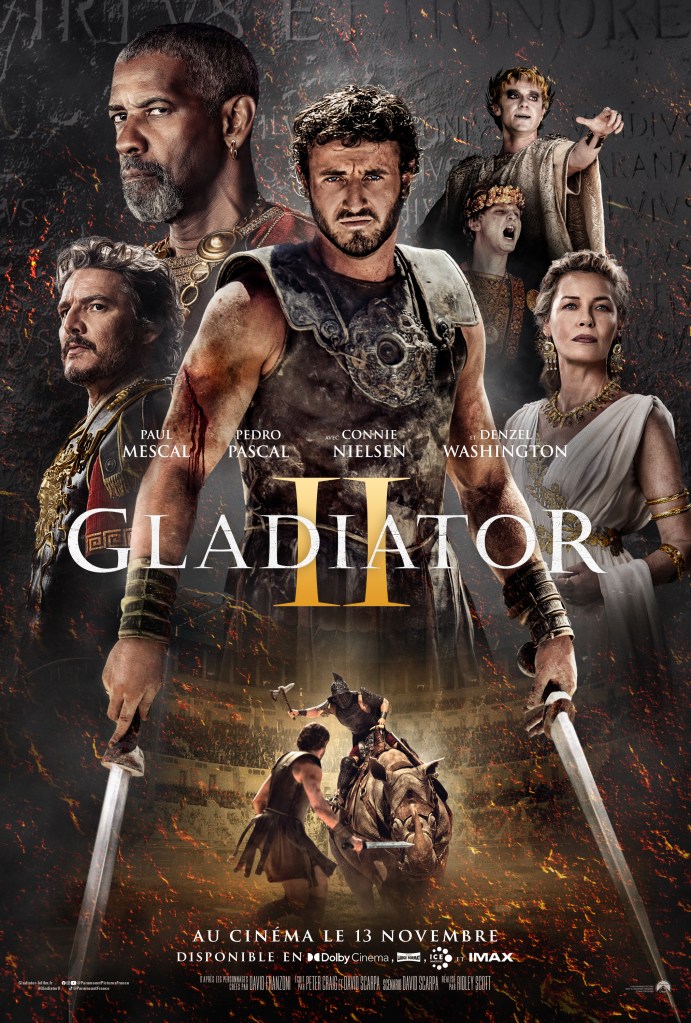
  • “Gladiator II”: A Spectacle of Sand and Shadows, Echoing a Legend

    Nearly a quarter-century after Ridley Scott’s Oscar-winning epic captivated audiences, the arena gates reopen for “Gladiator II.” This long-awaited sequel, directed once again by Scott, transports viewers back to the Roman Empire, picking up years after the tragic demise of Maximus. With a new protagonist in Paul Mescal as an adult Lucius Verus, and a stellar supporting cast including Denzel Washington, Pedro Pascal, Connie Nielsen, Joseph Quinn, and Fred Hechinger, the film attempts to honor its predecessor while forging its own path. The critical reception has been a mix of praise for its grand scale and action, tempered by comparisons to the original’s emotional depth and narrative strength.

    Released on November 22, 2024, “Gladiator II” plunges us into a world where Lucius (Paul Mescal), now grown, is thrust into the brutal gladiatorial games after his home is conquered. Driven by a complex mix of rage and a desire to restore Rome’s glory, he looks to the past – specifically, the legacy of Maximus – for strength.

    A Visual and Action Extravaganza

    Undoubtedly, one of “Gladiator II”‘s most lauded aspects is its sheer spectacle. Ridley Scott, a master of historical epics, delivers on the promise of grand-scale filmmaking. The Colosseum battles are expansive and visceral, showcasing impressive action sequences that are both brutal and creatively staged. From gladiators battling charging rhinos and aggressive baboons to naval skirmishes within the flooded arena, the film aims to outdo its predecessor in sheer visual audacity. The production design is frequently praised, immersing viewers in the opulent yet decaying world of Roman power. For those seeking “eye-popping spectacle and operatic violence,” “Gladiator II” largely delivers.

    Performances: A Shining Denzel and a Challenged Protagonist

    The cast is a significant draw, and Denzel Washington as Macrinus, a former slave turned cunning power broker, is consistently highlighted as a scene-stealer. Critics rave about his “blinding charisma, steely authority, and sly humor,” noting that he “eats every line and costume” and brings a “deliciously self-assured performance” that often elevates the film. Many suggest he could be in contention for awards, with some even wishing the movie was more focused on his character.

    Paul Mescal takes on the daunting task of leading the film as Lucius. While some critics found him “magnetic” and a “worthy heir to the throne,” others felt he lacked the “gravitas” and “scorching glower” that Russell Crowe brought to Maximus. His performance is described as “solid” and “committed physically,” but the script’s tendency to make Lucius a “carbon copy” of Maximus rather than a distinct character, coupled with a perceived lack of emotional depth in his speeches, left some wanting more.

    Connie Nielsen reprises her role as Lucilla, providing a welcome link to the original. Pedro Pascal as General Acacius and Joseph Quinn and Fred Hechinger as the eccentric co-emperors Geta and Caracalla, respectively, round out the notable cast, adding layers of political intrigue and often “campy” villainy.

    Narrative Echoes and Tonal Imbalance

    Where “Gladiator II” faces its most significant challenges is in its narrative and thematic originality. Many reviews point out that the plot often feels like a “lazy retread” of the first film, echoing its structure and hitting familiar beats without adding substantial new insights or lore. The film’s reliance on CGI, while enabling grand set pieces, also drew criticism, with some effects, particularly the animal encounters, appearing “comically fake” or “loopy.”

    The screenplay is described as “clunky” and “underdeveloped” by some, with characters and subplots feeling “half-formed.” The tonal shifts, from serious historical drama to moments bordering on absurdity, also proved jarring for some viewers. While the film attempts to explore themes of power, corruption, and legacy, some critics felt these were not fully realized, leaving the overall emotional impact less potent than its predecessor.

    Conclusion: An Entertaining, Yet Imperfect, Return to the Arena

    “Gladiator II” is a film that arrives with immense expectations, and it largely succeeds as a spectacle. Ridley Scott’s direction ensures a visually impressive and action-packed experience that will likely satisfy fans craving more Roman epic grandeur. Denzel Washington delivers a standout performance that alone makes the film worth watching for many.

    However, its struggle to escape the shadow of the original, coupled with a somewhat predictable plot and a protagonist who doesn’t always command the screen with the same intensity as Maximus, means it doesn’t quite reach the heights of its iconic predecessor. It’s an entertaining blockbuster, “a solid piece of neoclassical popcorn,” that provides a thrilling, albeit occasionally flawed, return to the Colosseum. For those who can appreciate its bombastic action and charismatic performances without constantly comparing it to the beloved original, “Gladiator II” offers a worthwhile, if not groundbreaking, cinematic experience.