My Dream Chocolate Bar: A Symphony of Sweet, Savory, and Surprising!
If I close my eyes and imagine the ultimate chocolate bar, it’s not just a confection; it’s an experience, a journey for the taste buds that defies conventional boundaries. Forget your standard milk or dark – my dream chocolate bar is a wild, wonderful fusion of flavors, textures, and even a touch of the unexpected.
Imagine this: The base is a luscious, dark chocolate, perhaps 70% cacao, for that deep, rich bitterness that anchors the symphony. But swirling within this velvety darkness are veins of creamy, dulce de leche white chocolate, adding a sweet, caramelized counterpoint.
Now for the inclusions. First, the fruits: plump, sun-dried mission figs, offering a chewy, earthy sweetness, alongside tangy freeze-dried raspberries that burst with bright acidity. Then, the candies: crunchy bits of butter toffee for that irresistible caramel-nutty flavor, and a surprising pop of subtly spicy candied ginger, adding warmth and a delightful zing.
And here’s where it gets truly audacious: a whisper of savory. Picture delicate slivers of candied bacon, providing a smoky, salty crunch that plays off the sweetness in a way that’s utterly addictive. And perhaps, just perhaps, tiny, almost imperceptible dots of smoked sea salt to elevate all the flavors.
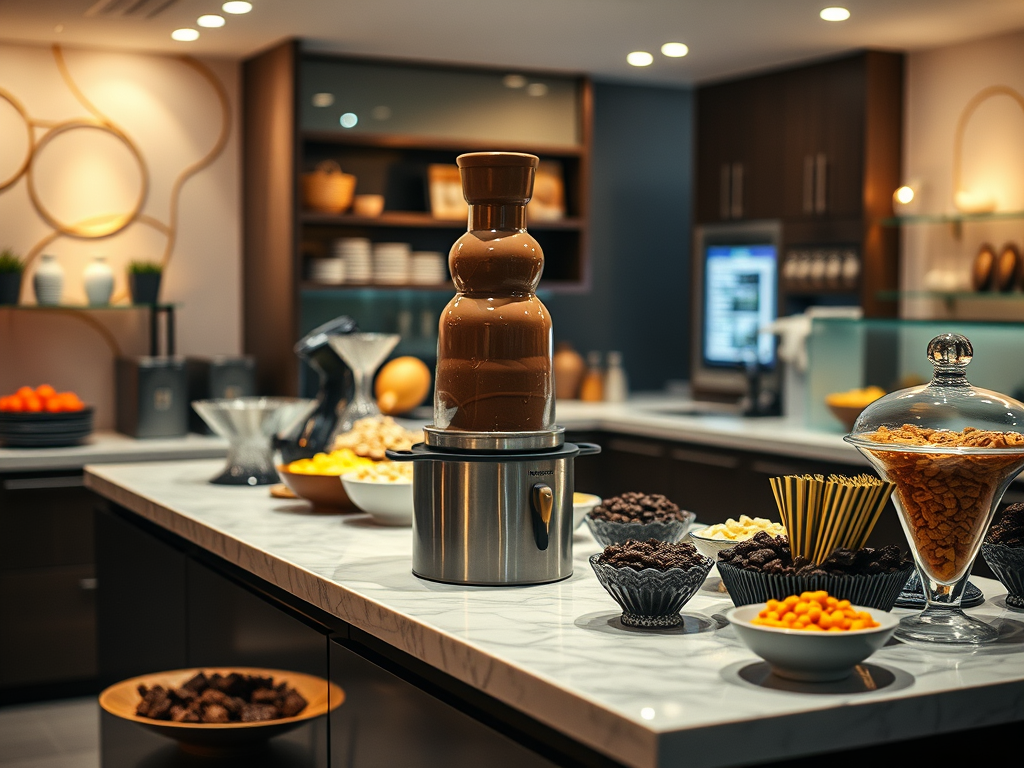
But my dream doesn’t stop at the bar itself. This chocolate bar exists within a realm of pure chocolate fantasy. In this dream, there’s a fountain of warm, flowing chocolate, not just one, but several, each offering a different origin or cacao percentage, inviting endless dipping. And surrounding this fountain, an array of dippable delights – fresh fruit, marshmallows, pretzels, and even small, savory pastries.
Chocolate Beyond the Bar: A Culinary Canvas
My dream extends to a world where chocolate isn’t just a dessert ingredient, but a versatile culinary tool, integrated into dishes in astonishing ways across various cuisines. It’s a testament to how chocolate, with its complex flavor profile, can bridge the gap between sweet and savory, adding depth, richness, and unexpected twists.
Let’s explore how chocolate is already making waves in global gastronomy and how it could be further incorporated:
- Middle Eastern Delights: The Allure of Dubai Chocolate
Dubai chocolate, particularly the viral sensation featuring kadaif and pistachio, is a perfect example of how chocolate is being innovated. It’s not just about the chocolate itself, but the clever combination of textures and flavors.
- How it’s made (inspired by viral trends): Imagine a high-quality milk or dark chocolate shell. Inside, a generous layer of pistachio cream – made from finely ground pistachios, a touch of sugar, and sometimes white chocolate or a neutral oil for creaminess. Layered on top of this, or sometimes mixed within, are crispy kadaif (shredded phyllo dough) that has been toasted until golden brown and often lightly sweetened. This creates an incredible textural contrast – the snap of the chocolate, the smooth creaminess of the pistachio, and the delightful crunch of the kadaif. My dream would see variations with different nuts (almond, cashew) or even a hint of rosewater in the pistachio cream.
2. Mexican Mole: A Savory Chocolate Masterpiece
Perhaps one of the most famous savory applications of chocolate, mole is a complex and deeply flavorful sauce.
- How it’s made: Mole poblano, for instance, is a quintessential Mexican dish. It’s a rich, dark sauce made from a myriad of ingredients including several types of chili peppers (ancho, mulato, pasilla, chipotle), spices (cumin, coriander, cloves, cinnamon), nuts (almonds, peanuts), seeds (sesame, pumpkin), dried fruits (raisins, prunes), and crucially, Mexican chocolate. The chocolate, often bittersweet, provides a critical depth of flavor, balancing the heat from the chilies and adding a unique richness. The ingredients are toasted, ground, blended, and slowly simmered for hours, resulting in a thick, velvety sauce served over poultry or other meats. In my dream, imagine a chocolate mole reduction used as a glaze for roasted vegetables.
3. Italian Gastronomy: Chocolate as an Unexpected Accent
While Italy is famous for its sweet chocolate confections like gianduja, there are intriguing savory applications emerging.
- How it could be used: Think about a chocolate-infused balsamic glaze drizzled over aged Parmesan cheese and figs, or a dark chocolate powder dusted lightly over a rich venison ragu to deepen its umami notes. Even a subtle hint of bitter chocolate in a hearty beef stew could elevate its complexity.
4. French Cuisine: Elegance and Subtle Integration
French culinary traditions often focus on elegance and precision. Chocolate, beyond its use in exquisite desserts, can be subtly incorporated into savory dishes.
- How it could be used: Imagine a tiny square of high-quality dark chocolate melting into a pan sauce for duck breast, providing a silky texture and a hint of bittersweetness that complements the richness of the duck. Or a delicate chocolate tuile served alongside a foie gras terrine, offering a surprising textural and flavor contrast.
5. Indian Flavors: Aromatic and Bold Combinations
Indian cuisine is known for its bold spices and aromatic profiles. Chocolate could find a home here in unexpected ways.
- How it could be used: Picture a chocolate and chili spice rub for lamb chops, where the bitterness of the chocolate enhances the heat and aroma of the spices. Or a small amount of dark chocolate melted into a rich, creamy curry, adding a surprising depth and velvety texture to the sauce.
My dream chocolate bar, and the world it inhabits, is a testament to the endless possibilities of chocolate. It’s a celebration of flavor, texture, and the sheer joy of culinary exploration. From the audacious inclusions in the bar itself to its transformative power in diverse cuisines, chocolate is truly a gift that keeps on giving – a sweet, savory, and wonderfully surprising journey for the senses.