Tag: movies

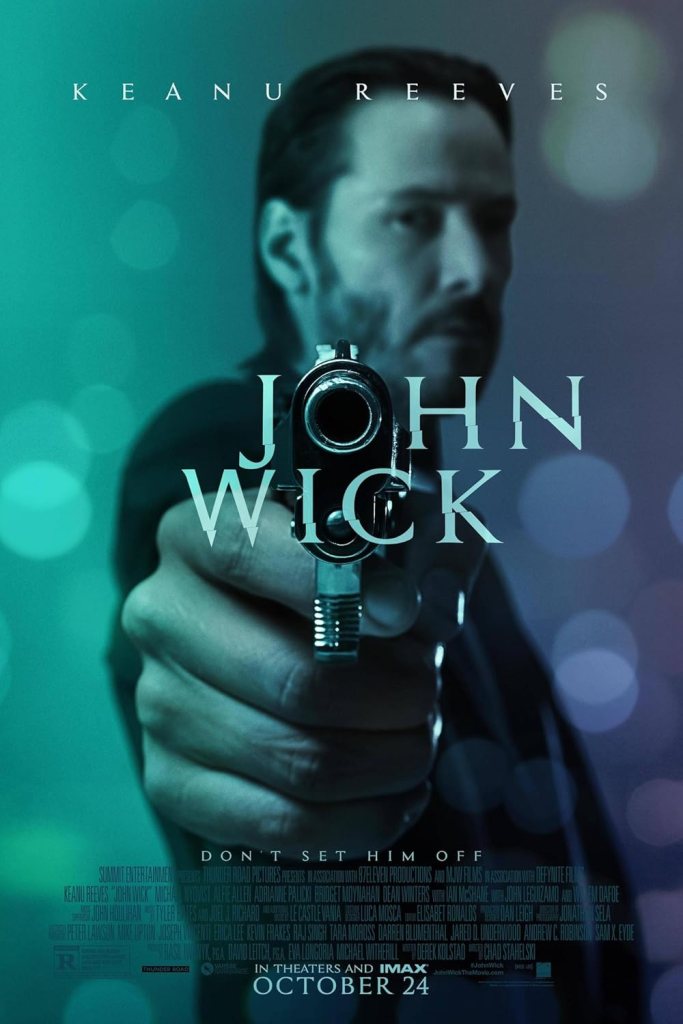
  • “John Wick”: A Bullet-Riddled Journey of Grief and Vengeance

    Before it became a global phenomenon of ever-escalating action, “John Wick” arrived in 2014 like a precision-guided missile, a stylish and surprisingly emotionally resonant entry into the action genre. While renowned for its groundbreaking fight choreography, the film’s true power lies in its ability to ground the spectacular violence in a deeply human, albeit tragic, story.

    At its core, “John Wick” is an emotionally captivating tale of loss and the desperate fight to reclaim a semblance of peace. The narrative hinges on the devastating personal tragedy of John Wick, a retired hitman, whose life has been shattered by the loss of his beloved wife, Helen, played in a brief but impactful role by Bridget Moynahan. Her thoughtful final gift to him – a beagle puppy named Daisy – is a symbol of hope, a tangible piece of the future she envisioned for him. When this last vestige of his happiness is cruelly taken from him by petty thugs, John’s subsequent rampage is not merely about a dog; it’s a powerful, almost primal, act of fighting for his lost wife, for the life they built, and for the peace that was stolen. The puppy represents the final thread connecting him to Helen, and its brutal demise severs that last link, unleashing the legendary “Baba Yaga” once more.


    The Plot: From Grieving Widower to Unstoppable Assassin

    The story begins with John Wick seemingly retired from his notorious past as a hitman, living a quiet life of solitude after Helen’s passing. The arrival of Daisy, a final gesture of love from his wife, brings a glimmer of light into his darkened world. This fragile peace is shattered when a group of Russian thugs, led by Iosef Tarasov (played by Alfie Allen), break into his home, steal his car, and brutally kill Daisy.

    Unbeknownst to Iosef, he has just awakened a sleeping giant. His father, Viggo Tarasov (portrayed by the formidable Michael Nyqvist), is the head of the Russian crime syndicate, and he knows exactly who John Wick is – an assassin of unparalleled skill and legendary ruthlessness, a man once so feared he was dubbed the “Baba Yaga” (the boogeyman) for his ability to kill seemingly impossible targets. Viggo’s desperate attempts to contain John’s vengeance, offering bribes and sending hordes of his own men, only further illustrate the terror John inspires.

    John’s path of vengeance leads him through the intricate, clandestine world of assassins, a hidden society governed by its own strict rules and codes, centered around the Continental Hotel. Here, he interacts with characters like Winston, the enigmatic manager of the Continental (played by a wonderfully stoic Ian McShane), and Charon, the concierge (played by Lance Reddick), who maintain a neutral ground for assassins. He also crosses paths with Marcus, an old friend and fellow hitman (played by a weary yet principled Willem Dafoe), whose loyalty becomes a critical factor. The narrative is a relentless forward momentum, a series of escalating encounters as John systematically dismantles Viggo’s empire, one bullet and one broken bone at a time.


    Action That Redefined the Genre

    The action scenes in “John Wick” are nothing short of amazing, often credited with revitalizing the American action film genre. Directors Chad Stahelski and David Leitch (uncredited) brought a refreshing approach, emphasizing wide shots, long takes, and practical effects over shaky-cam and excessive cuts. This “gun-fu” style, a seamless blend of close-quarters combat and firearms proficiency, allows viewers to truly appreciate the incredible choreography and John Wick’s lethal efficiency. Every headshot, every grapple, every reload feels visceral and impactful, creating a ballet of brutality that is both thrilling and strangely beautiful.


    Critical Consensus: A Resounding Success

    Upon its release, “John Wick” garnered widespread acclaim from critics and audiences alike. The consensus was overwhelmingly positive, praising its stylized action, tight screenplay, and Tom Wick’s captivating performance. Reviewers frequently highlighted its unique visual aesthetic, the innovative “gun-fu” fight choreography, and the surprisingly emotional core that elevated it beyond a typical revenge flick. Many noted that while the plot was deceptively simple, it was executed with such precision and flair that it felt fresh and compelling. The film was celebrated for successfully establishing a rich, self-contained universe with its own mythology and rules, laying the groundwork for the successful franchise it would become. It was seen as a triumphant return for an iconic action star and a benchmark for modern action cinema.

    “John Wick” is a masterclass in action filmmaking, proving that a clear emotional drive, combined with exceptional execution, can elevate a genre film to something truly special. It’s a journey of grief, vengeance, and a surprising amount of heart, wrapped in a meticulously choreographed package of pure adrenaline.nt of heart, wrapped in a meticulously choreographed package of pure adrenaline.
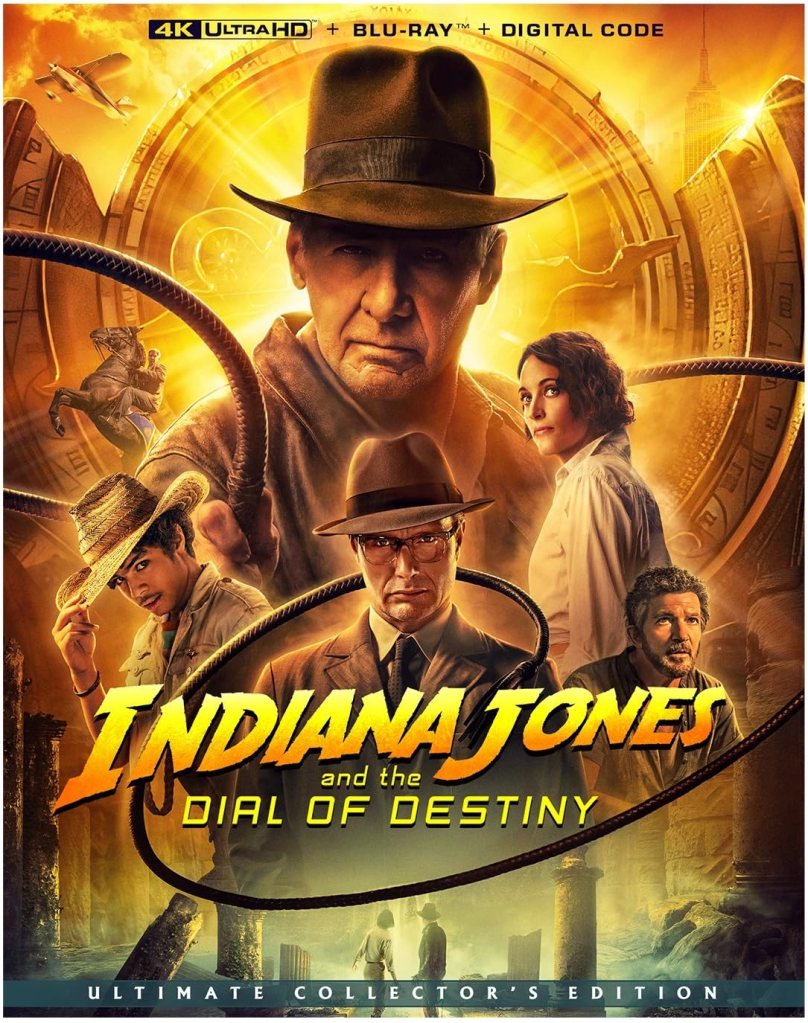
  • Indiana Jones and the Dial of Destiny: A Hero’s Final Adventure

    Version 1.0.0

    “Indiana Jones and the Dial of Destiny” delivers a poignant and exhilarating capstone to one of cinema’s most beloved franchises, proving that even a seasoned archaeologist can still uncover thrilling adventures and, more importantly, find his way back home. This film, the fifth and final installment, masterfully weaves new narratives with the rich tapestry of its predecessors, offering fans both fresh excitement and deeply satisfying closure.

    At the heart of this final quest, of course, is the indomitable Indiana Jones, once again brought to life by the legendary Harrison Ford. Despite the passage of time, Ford still possesses that quintessential Indy charm, wit, and grit. The film wisely embraces his age, allowing it to inform the character’s weariness and reflections on a life lived on the edge, yet never diminishing his capacity for daring feats or quick thinking. Ford’s performance is a testament to his enduring talent, showcasing that “he’s still got it” in every sense of the word, whether he’s narrowly escaping danger or delivering a perfectly timed sardonic remark.

    The narrative introduces compelling new characters who seamlessly integrate into Indy’s world. We meet Helena Shaw, played with cunning charm and a touch of mischief by Phoebe Waller-Bridge. Helena is Indy’s goddaughter, a resourceful and morally ambiguous accomplice who often pulls Indy into the very scrapes he tries to avoid. Their dynamic is a highlight, offering both comedic banter and genuine emotional connection. On the antagonist side, we have Dr. Voller, a former Nazi scientist obsessed with the titular Dial of Destiny, chillingly portrayed by Mads Mikkelsen. Mikkelsen’s cold intellect and sinister presence make him a truly formidable foe for Indy, echoing the classic Nazi villains of the earlier films. Other notable additions include Renaldo, a loyal friend of Indy’s played by Antonio Banderas, adding a fleeting but memorable moment of camaraderie.

    The Plot: A Race Through Time for a Legendary Artifact

    The film’s narrative begins in 1944, with a de-aged Indy (a remarkably executed visual effect) and his associate Basil Shaw (Toby Jones) trying to recover ancient artifacts from the Nazis during World War II. It’s here they first encounter a portion of the Antikythera Mechanism, a mythical device created by Archimedes said to be capable of locating fissures in time. Dr. Voller, then a Nazi astrophysicist, is also seeking it.

    The story then fast-forwards to 1969, against the backdrop of the Apollo 11 moon landing celebrations, a stark contrast to Indy’s increasingly antiquated life as a retired archaeology professor facing mandatory retirement. His life feels mundane and touched by sorrow, particularly the recent loss of his son, Mutt, and his strained relationship with Marion. It’s at this low point that Helena Shaw reappears, seeking the other half of the Antikythera Mechanism, which Indy and her father, Basil, had previously discovered.

    This sparks a global chase, as Voller, now working for NASA under a new identity, is also desperate to reassemble the complete Dial. He believes he can use it to correct what he perceives as mistakes in history, with potentially catastrophic consequences for the present. Indy, initially reluctant, is drawn back into the fray, propelled by his inherent curiosity and a sense of responsibility to prevent Voller from misusing such a powerful artifact. Their pursuit takes them from the bustling streets of New York to the vibrant markets of Tangier, through sunken shipwrecks in the Aegean Sea, and into ancient catacombs. Along the way, they encounter old allies, like the beloved Sallah, portrayed once more by John Rhys-Davies, providing a comforting link to Indy’s past adventures and a surge of nostalgic warmth.

    The climax of the film is a true Indiana Jones spectacle, culminating in a daring flight through time itself. As Voller attempts to use the fully reassembled Dial to alter history, Indy, Helena, and Renaldo find themselves thrust into an unexpected journey. This fantastical element, while pushing the boundaries of the franchise’s typical historical realism, feels earned within the context of the Antikythera Mechanism’s legendary properties.

    “Dial of Destiny” is a loving homage to the entire Indiana Jones saga. It cleverly ties into the previous films through flashbacks, references, and a thematic return to Indy’s enduring battle against the forces of evil. The MacGuffin itself, the Antikythera Mechanism (or Dial of Destiny), feels perfectly at home within the franchise’s lore, rooted in historical mystery and possessing fantastical properties. These connections make the film feel like a true culmination, honoring what came before while propelling the story forward.

    The ending of “Indiana Jones and the Dial of Destiny” is, without a doubt, its most heartfelt and profoundly moving aspect. After a whirlwind of globe-trotting escapades, near-death experiences, and grappling with the very fabric of time, Indy’s ultimate journey is not to discover another lost artifact or defeat a world-threatening villain. Instead, it’s a return to what truly matters: family. The final scenes see him reunited with his estranged wife, Marion Ravenwood, played by the wonderful Karen Allen. Their quiet reconciliation, a simple shared moment of understanding and affection, speaks volumes. It’s a powerful affirmation that after a lifetime of extraordinary adventures and brushes with history, the greatest treasure of all is indeed home, and the comfort of love. This beautiful, understated conclusion provides a deeply satisfying emotional resonance, perfectly capping off the legacy of a hero who finally gets to hang up his fedora and truly go home.

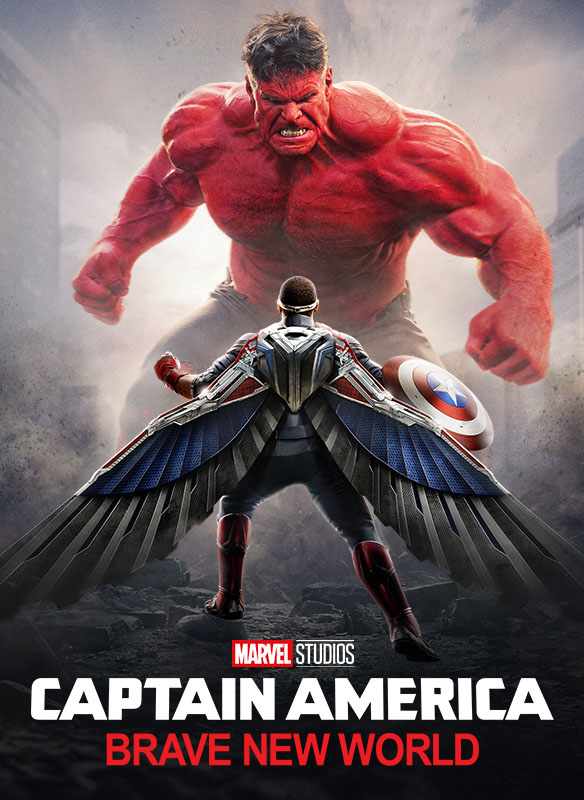
  • Captain America: Brave New World – A Human Hero in a Superhuman World

    “Captain America: Brave New World” bursts onto the screen, not just as another thrilling superhero spectacle, but as a surprisingly introspective journey for its titular hero. This installment delves deep into the psyche of Captain America, showcasing a side of the iconic character rarely explored with such nuance: his profound insecurities about not possessing the inherent superhuman qualities and cosmic gifts of many of his Avenger counterparts.

    The film effectively highlights how Captain America’s formidable strength and abilities, while impressive, are ultimately limited by the technology he wears and his own strategic intellect. He’s a peak human, enhanced by the Super Soldier Serum, but he doesn’t wield lightning, possess god-like invulnerability, or command the raw power of a gamma-irradiated giant. This distinction is subtly but consistently drawn throughout the narrative, creating a compelling internal conflict for a hero who has always been defined by his unwavering resolve. It’s a fascinating exploration of what it means to be a hero when your powers are, in essence, a product of human ingenuity and physical perfection, rather than cosmic birthright or alien physiology. One might even draw a parallel to the original Iron Man, Tony Stark, a genius who, despite his vast intellect and technological prowess, fundamentally operated within the realm of human invention, constantly pushing the boundaries of what a non-powered individual could achieve. Perhaps he too harbored similar thoughts about his place among literal gods.

    The Faces of a Brave New World

    The cast of “Captain America: Brave New World” brings a compelling array of characters to life, each contributing to the evolving landscape of the Marvel Cinematic Universe.

    At the forefront is Anthony Mackie as Sam Wilson, who has fully embraced the mantle of Captain America. Mackie imbues Sam with a grounded heroism, showcasing his intelligence and empathy as his true “superpowers” in a world filled with more overtly powerful beings. This film truly allows Sam to step into his own as the leader Captain America needs to be.

    Joining Sam is Danny Ramirez as Joaquin Torres, who takes on the mantle of the new Falcon. Torres serves as Sam’s loyal and capable wingman, providing a fresh dynamic to the aerial combat and a burgeoning friendship that promises to grow in future installments.

    A significant new addition to the cast is the legendary Harrison Ford, who steps into the role of Thaddeus “Thunderbolt” Ross, now the President of the United States. Ford brings his signature gravitas and a complex portrayal to Ross, a character with a long and complicated history in the MCU. His interactions with Sam Wilson drive much of the film’s political intrigue and set the stage for potentially massive changes.

    The film also brings back a familiar face in Tim Blake Nelson as Samuel Sterns, also known as The Leader. Last seen in “The Incredible Hulk,” Sterns’ return promises to be a key antagonist, leveraging his intellect in sinister ways against Captain America and the world.

    Another returning character is Betty Ross, played by Liv Tyler, reprising her role from “The Incredible Hulk.” Her re-introduction adds another layer to President Ross’s character and offers a callback to earlier days of the MCU.

    New to the universe is Shira Haas as Ruth Bat-Seraph, an Israeli secret agent. Haas brings a sharp intensity to her character, who finds herself entangled in the global conspiracy and on a collision course with Sam Wilson.

    The film also features Carl Lumbly returning as Isaiah Bradley, the Korean War veteran who was subjected to super soldier experiments. His presence continues to explore the darker aspects of the Super Soldier program’s history and its human cost, adding depth to the narrative.

    Beyond Captain America’s personal struggles, “Brave New World” is a pivotal entry in the broader Avengers storyline, introducing a significant new element: Adamantium. The arrival of this virtually indestructible metal into the Marvel Cinematic Universe opens up a myriad of possibilities for future conflicts and character developments, setting the stage for even grander narratives. Its presence alone signals a shift in the power dynamics and challenges facing the heroes.

    The film also places a considerable emphasis on the political landscape, with the President playing a crucial role in the unfolding events. This grounds the superhuman action in a more relatable, geopolitical reality, reminding us that even world-ending threats often have their roots in human decisions and power structures. The interactions and dynamics between these characters are central to the film’s plot, hinting at the formation of a new Avengers team – one that may be shaped by different ideals and face challenges distinct from those of their predecessors.

    “Captain America: Brave New World” is more than just a superhero movie; it’s a character study wrapped in an explosive action package. It challenges our perceptions of heroism, explores the vulnerabilities of even the strongest individuals, and lays crucial groundwork for the next chapter of the Avengers saga. It’s an engaging and thought-provoking watch that leaves you eager to see where these brave new heroes will lead us.

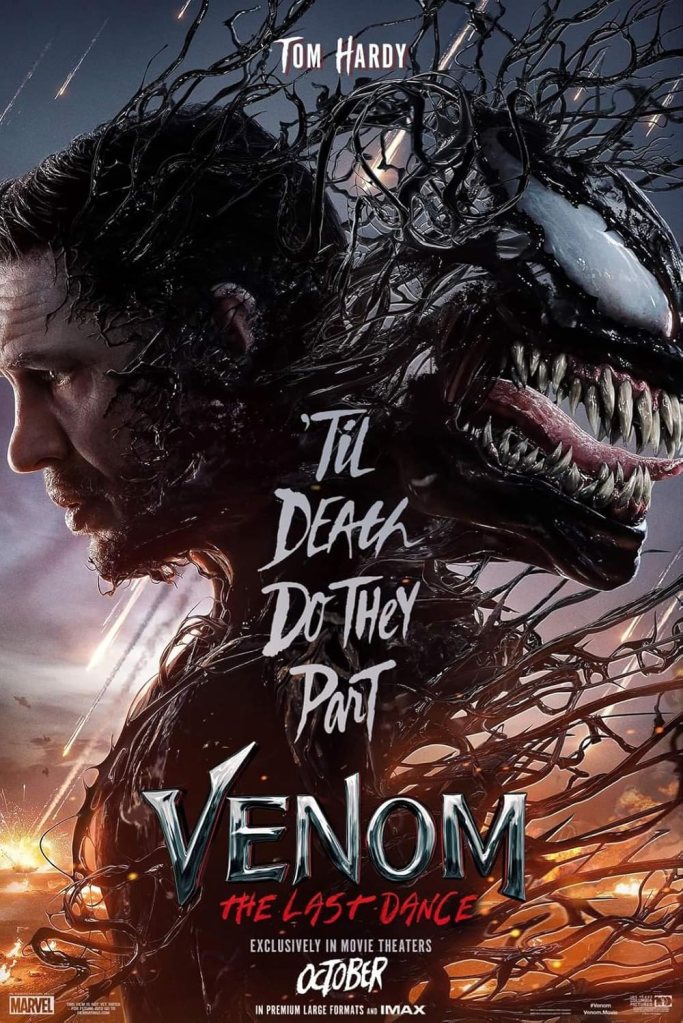
  • Venom: The Last Dance – A Symbiotic Spectacle of Explosive Entertainment!

    Get ready for a wild ride because Venom: The Last Dance is here, and it’s an absolute blast from start to finish! If you’re looking for a movie that grabs you by the throat (in a friendly, symbiotic way, of course) and doesn’t let go until the credits roll, then look no further. This latest installment in the Venom saga cranks up the dial on the action, the laughs, and most importantly, the unique bond between the alien symbiote and its human host, Eddie Brock, played by the incomparable Tom Hardy.

    From the moment the film kicks off, you’re thrown headfirst into a whirlwind of chaos. Director Kelly Marcel (who also penned the screenplay) understands exactly what audiences love about this franchise: high-octane action sequences that are as creative as they are explosive. Cars are flipped, buildings crumble, and tentacles flail in a mesmerizing dance of destruction. Each action set piece feels bigger and bolder than the last, leaving you on the edge of your seat, breathlessly anticipating what mayhem Eddie and Venom will unleash next.

    But “Venom: The Last Dance” isn’t just about mindless explosions. What truly elevates this film is the heart at its core – the complex and often hilarious relationship between Eddie Brock, once again brilliantly portrayed by Tom Hardy, and his alien other half, Venom, also voiced by Tom Hardy. This isn’t just a parasitic relationship; it’s a genuine partnership, a bizarre yet touching bromance between two very different beings learning to coexist and rely on each other. Hardy masterfully portrays both the down-on-his-luck journalist and the gruff, alien voice within, creating a dynamic that is both entertaining and surprisingly poignant. You genuinely root for these two misfits, even as they’re causing widespread pandemonium. The film expertly balances the humor that stems from their odd-couple dynamic with moments of genuine emotional connection, reminding us that even the most unlikely pairings can forge unbreakable bonds.

    Adding to the dynamic cast are familiar faces and new intriguing characters. Chiwetel Ejiofor joins the fray as General Rex Strickland, a formidable military commander tracking Eddie and Venom, and Juno Temple shines as Dr. Teddy Paine, a scientist who plays a crucial role in understanding the symbiotes. Peggy Lu also returns as the ever-present Mrs. Chen, providing some welcome moments of comic relief. And speaking of Mrs. Chen, be prepared for a truly unforgettable moment – the dance with Mrs. Chen is absolutely a must-see! It’s a hilarious and surprisingly heartwarming highlight that perfectly encapsulates the quirky charm of this franchise.

    The role of the scientists in “Venom: The Last Dance” is particularly highlighted and is far from a mere plot device. Dr. Teddy Paine and her assistant Sadie (played by Clark Backo) are central to the government’s Imperium operation, which is dedicated to capturing and studying symbiotes that have fallen to Earth. Their research at Area 51 (or rather, Area 55, a facility hundred feet underground) is critical to understanding the symbiotes’ origins and purpose, and even the threat posed by the creator of all symbiotes, Knull (voiced by Andy Serkis). The film cleverly weaves in the scientific efforts to contain and comprehend these alien entities, creating a layer of intrigue and stakes beyond just the raw action. While General Strickland represents the military approach of capture and control, Dr. Paine often embodies a more nuanced, empathetic perspective towards the symbiotes, driven by a desire for knowledge and even a sense of understanding. Their experiments and discoveries are not only key to the plot’s progression but also raise ethical questions about scientific pursuit and the consequences of meddling with unknown extraterrestrial life.

    While the plot itself is a rollercoaster of twists and turns, it’s the sheer entertainment value that truly shines. “Venom: The Last Dance” knows exactly what kind of movie it is – a fun, action-packed spectacle that doesn’t take itself too seriously. It delivers on its promise of thrilling action sequences, laugh-out-loud moments, and a deeper exploration of the endearing relationship between Eddie and Venom.

    If you’re a fan of the previous Venom films, or simply looking for an exhilarating and thoroughly enjoyable cinematic experience, then “Venom: The Last Dance” is a must-see. It’s a testament to the enduring appeal of these characters and a fantastic reminder that sometimes, the most unexpected partnerships can lead to the most entertaining adventures. So grab your popcorn, settle into your seat, and get ready to cheer for the chaotic, explosive, and surprisingly heartwarming final dance of Venom and Eddie Brock. You won’t be disappointed!

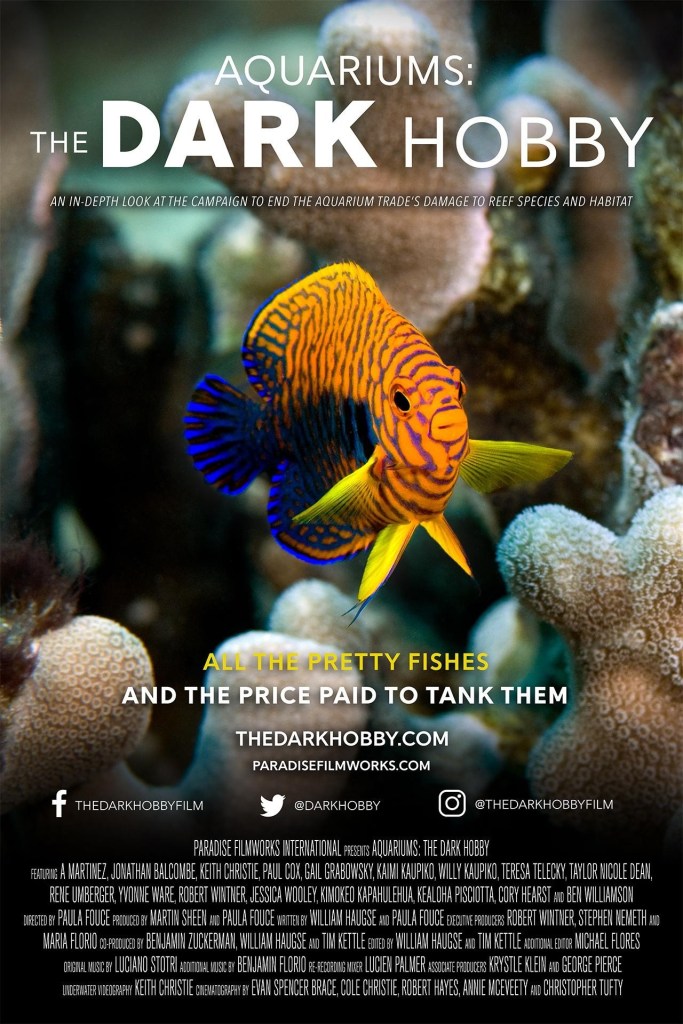
  • “Aquarium: The Dark Hobby” – An Urgent Call to Protect Our Oceans

    Have you ever gazed into a vibrant home aquarium, mesmerized by the flashing colors of tropical fish, and wondered about their journey from the ocean to your living room? The documentary “Aquarium: The Dark Hobby” pulls back the curtain on this often-unseen journey, revealing a deeply troubling industry with devastating consequences for marine life and ecosystems. This film isn’t just an eye-opener; it’s an urgent call to action, demanding a fundamental shift in how we approach the capture and trade of marine species for the aquarium industry.

    The documentary lays bare the brutal realities of wild capture, exposing methods that are not only destructive to individual animals but also to the delicate coral reefs and habitats they call home. It highlights the shocking mortality rates, with countless fish, corals, and invertebrates dying at various stages – from the initial capture and transport to the wholesaler and finally, the consumer. This isn’t just about a few casualties; it’s a systemic problem built on a foundation of significant loss, a silent death toll that the industry rarely acknowledges.

    A Deep Dive into the Dark Hobby, Centered in Hawaii

    Much of the film’s compelling narrative is shot on location in Hawaii, a major hub for the collection of marine ornamental fish. The stunning underwater cinematography beautifully captures the richness of the reefs, making the subsequent scenes of destruction even more heartbreaking. The film showcases the efforts of Native Hawaiian elders, conservationists, and scientists who are battling against fish collectors to protect these tiny creatures, which are vital to the reef ecosystem. Their fight to halt the collection of reef creatures has even gone all the way to the Supreme Court.

    The documentary also shines a light on the influential role of lobbyists for the aquarium industry. It reveals how powerful groups, such as the Pet Industry Joint Advisory Council (PIJAC), have actively worked to resist stricter regulations and promote their interests. The film presents the arguments put forth by these lobbyists, often centering on economic hardship for collectors and claims of “sustainable” practices, even as evidence points to declining fish populations and damaged reefs. “Aquarium: The Dark Hobby” scrutinizes these arguments, highlighting the vast discrepancy between the industry’s rhetoric and the dire reality faced by marine ecosystems. It exposes how a narrative of sustainability is often used to justify practices that are anything but.

    “Aquarium: The Dark Hobby” makes it abundantly clear: our current rules and laws are woefully inadequate. They fail to protect vulnerable species, allow for unsustainable collection practices, and contribute to the decimation of marine biodiversity. The film doesn’t just point fingers; it provides a sobering look at how our continued patronage, often unwitting, fuels this destructive cycle. By allowing this industry to thrive with minimal oversight, we are, in essence, complicit in the death of marine life and the degradation of our planet’s most vital ecosystems.

    This documentary is more than just a collection of disturbing images; it’s a powerful argument for change. It compels us to ask difficult questions:

    • Should we continue to support an industry built on such high mortality rates?
    • Are the aesthetic pleasures of a home aquarium worth the irreparable damage to our oceans?
    • What are our responsibilities as consumers and citizens to advocate for stronger protections?

    The call to action is undeniable. We need to demand stricter regulations, enforce sustainable collection practices, and explore viable alternatives such as captive breeding. Consumers have immense power. By choosing not to purchase wild-caught marine animals, by supporting ethical and responsible aquaculture, and by educating ourselves and others, we can send a clear message that the “dark hobby” is no longer acceptable.

    “Aquarium: The Dark Hobby” is a must-watch for anyone who cares about the health of our oceans. It’s a challenging film, but one that offers the crucial insight needed to spark meaningful change. Let this documentary be the catalyst for a global conversation, and more importantly, for concrete actions that ensure the vibrant marine life we cherish remains in its rightful home – the vast, wild, and awe-inspiring ocean.

  • “Mission: Impossible – Dead Reckoning Part One”: A Masterclass in Memorable Action and Visionary Direction

    “Mission: Impossible – Dead Reckoning Part One” isn’t just another installment in the iconic spy franchise; it’s a truly unforgettable cinematic event that reaffirms the series’ status as the pinnacle of action filmmaking. From its meticulously crafted set pieces to its surprisingly deep emotional core, this film delivers an experience so compelling, it warrants immediate re-watches and leaves a lasting impression.

    At the heart of its success is the electrifying and undoubtedly amazing chemistry between Tom Cruise’s Ethan Hunt and Hayley Atwell’s Grace. Their dynamic on screen is a constant source of wit, tension, and genuine connection, elevating their interactions beyond mere plot progression. Grace is far more than a simple accomplice; she’s a complex character who challenges Ethan and adds a fresh, engaging layer to the narrative, making their evolving relationship a captivating emotional anchor.

    Visually, the film is nothing short of stunning. The shooting locations are magnificent, transporting the audience across breathtaking landscapes and into the intricate, historic architecture of various cities. Each environment is utilized to its fullest potential, becoming an integral part of the action and contributing significantly to the film’s grand scale and authentic feel. This commitment to real-world backdrops, rather than relying solely on green screens, imbues every frame with a palpable sense of reality and immersion.

    Of course, the action scenes are spectacular, pushing the boundaries of what’s achievable in cinema. From the heart-stopping Rome car chase to the gravity-defying motorcycle cliff jump and the harrowing train sequence, every stunt is a testament to precision, daring, and relentless dedication. These aren’t just isolated moments of chaos; they are meticulously choreographed ballets of destruction and ingenuity that leave you breathless and marveling at the sheer audacity of their execution.

    Beyond the adrenaline, “Dead Reckoning Part One” excels in making you truly care about the characters. The film delves into the motivations and vulnerabilities of Ethan, his loyal team, and even the new faces introduced. This emotional investment ensures that the incredibly high stakes resonate deeply, adding a profound weight to every thrilling sequence and making the audience genuinely invested in their fates.

    Perhaps most timely and intriguing is the film’s superb and highly anticipated use of Artificial Intelligence as the primary antagonist, “The Entity.” This chillingly intelligent AI offers a thought-provoking and relevant exploration of potential future threats, blending classic spy tropes with a cutting-edge premise. The Entity’s omnipresence and predictive capabilities create a sense of dread and an almost insurmountable challenge for Ethan, making the narrative feel both fresh and intellectually stimulating.

    Christopher McQuarrie’s Directorial Brilliance

    Much of the film’s triumph can be attributed to the singular vision of director Christopher McQuarrie. He has become the architect of the modern “Mission: Impossible” era, transforming the franchise into a consistent powerhouse of practical stunt work and character-driven storytelling. McQuarrie’s directorship is defined by his collaborative partnership with Tom Cruise, where script and action sequences are often developed in tandem, even during filming. This adaptive approach ensures that every daring stunt serves the narrative, deepening emotional impact rather than existing purely for spectacle. He understands that true suspense comes from investing the audience in the characters and their impossible predicaments.

    This commitment to practical, character-infused action is brilliantly showcased in two of the film’s most memorable sequences: the Rome car chase and the airport scene.

    The Roman Romp: A Masterclass in Controlled Chaos

    The Rome car chase is a prime example of McQuarrie’s ability to take a familiar action trope and infuse it with exhilarating new life. What begins as a relatively standard pursuit quickly devolves into a hilariously chaotic, yet utterly thrilling, ballet of destruction through the ancient city’s winding, cobblestone streets. Tom Cruise himself, driving and drifting a tiny Fiat 500 one-handed, navigates the treacherous, unpredictable surfaces with breathtaking skill. The “possessed” Fiat, a specially built vehicle designed for extreme maneuvers, becomes a character in itself, bouncing and sliding with an almost sentient energy. McQuarrie masterfully utilizes the unique urban environment, turning narrow alleyways and iconic landmarks into dynamic obstacles and opportunities for ingenious escapes. The scene perfectly blends high-stakes action with a surprising amount of humor, largely due to the fantastic, evolving chemistry and banter between Ethan and Grace as they navigate the impossible.

    The Airport Scene: Underrated Tension and Setup

    While perhaps less overtly explosive than the Roman chase or the later train sequence, the airport scene in “Dead Reckoning Part One” is an incredibly underrated display of McQuarrie’s directorial prowess in building sustained tension and meticulously setting up critical plot points. This sequence serves as a crucial introduction for Grace into Ethan’s high-stakes world, showcasing her cunning as a master thief under immense pressure. McQuarrie crafts the scene with surgical precision, relying on intricate choreography, precise timing, and subtle visual cues to maximize suspense. The constant threat of discovery, the close calls, and the intricate dance of deception create a palpable sense of unease. It’s a testament to McQuarrie’s understanding that the most gripping moments can often come from the quiet, meticulous build-up of suspense rather than just loud explosions. The scene also highlights his commitment to character, as we witness Ethan’s growing concern for Grace’s safety and her surprising resourcefulness, underscoring the intelligence and character-driven nature that underpins even the most elaborate set pieces.

    In conclusion, “Mission: Impossible – Dead Reckoning Part One” is, without a doubt, a great movie. Its seamless blend of exhilarating action, compelling characters, stunning visuals, and a truly innovative premise made such a profound impact that it became an immediate re-watch, a testament to its broad appeal and sheer entertainment value, even for a family viewing. It’s a cinematic experience that truly sticks with you, and sets an incredibly high bar for its eagerly awaited conclusion.

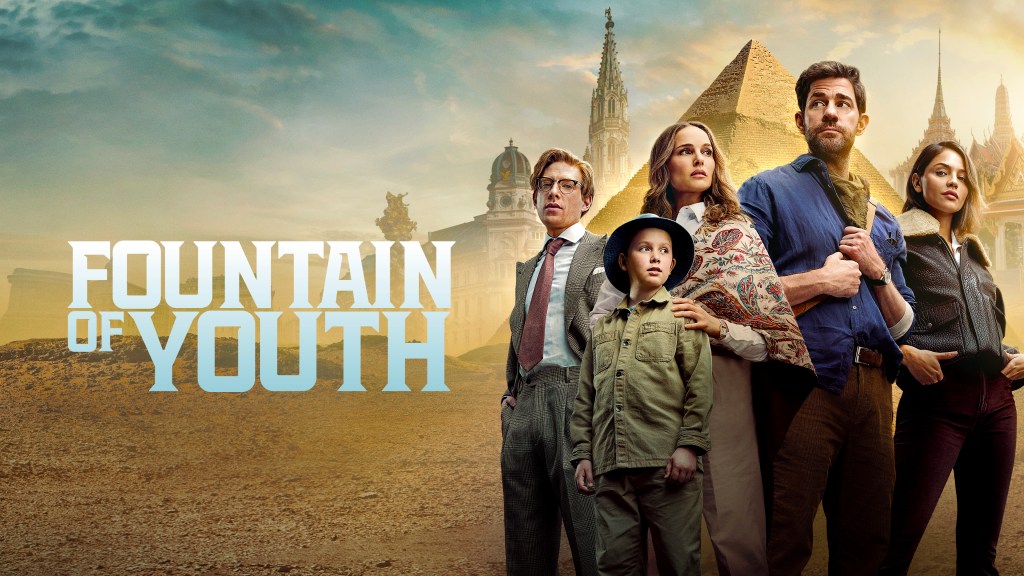
  • “The Fountain of Youth” Delivers a Refreshing Blast of Family-Friendly Adventure

    Guy Ritchie, the master of stylish action and witty banter, takes a delightful detour into family-friendly adventure with his latest film, The Fountain of Youth. And what a detour it is! Starring the incredibly charismatic sibling duo of Charlotte and Luke, the film manages to feel both comfortingly familiar and vibrantly fresh, evoking the golden age of adventure cinema while carving out its own distinct identity.
    The story follows the estranged siblings, Luke (played with charming roguishness by John Krasinski) and Charlotte Purdue (brought to life by the brilliant Natalie Portman), who are brought back together under unusual circumstances. Luke, a daring treasure hunter, is on the trail of the legendary Fountain of Youth, a quest he inherited from their late adventurer father. He’s a bit of a maverick, often skirting the law in his pursuit of ancient artifacts, which puts a strain on his relationship with his sister. Charlotte, on the other hand, has tried to leave the adventuring life behind, settling into a more conventional role as a museum curator in London. However, when Luke’s latest escapade involves stealing a priceless Rembrandt painting that Charlotte happens to be curating, their paths inevitably collide.
    Their globetrotting journey is fueled by the dying billionaire Owen Carver (a wonderfully complex performance by Domhnall Gleeson), who funds their expedition in the desperate hope of finding the Fountain and gaining immortality. As they decipher cryptic clues hidden within famous Renaissance artworks and historical texts, their quest leads them through perilous locales, from the depths of the sunken Lusitania to the majestic Great Pyramid of Giza. Along the way, they must contend with ancient guardians, a mysterious organization known as the “Protectors of the Path” who aim to keep the Fountain’s secrets hidden, personified by the enigmatic Esme (played with captivating intensity by Eiza González). They are also pursued by an intrepid Interpol agent, Inspector Jamal Abbas (Arian Moayed), hot on their heels.
    From the moment the quest begins, it’s clear Ritchie has taken a page from the beloved classics of the genre. The film is brimming with a sense of wonder and daring that immediately brings to mind the thrilling escapades of Indiana Jones. The ingenious traps, the race against time, and the satisfying unraveling of ancient mysteries all feel directly inspired by the archaeological daring-do that made Indy a household name. Similarly, the fantastical elements and the grand scale of the puzzles harken back to the pulpy, exhilarating fun of The Mummy. There’s a genuine sense of discovery and a tangible threat that keeps the audience on the edge of their seats, all while maintaining a remarkably light and enjoyable tone.
    What truly sets The Fountain of Youth apart, however, is its unwavering focus on the sibling relationship between Charlotte and Luke. Their bickering, their unwavering loyalty, and their genuine affection for one another form the emotional core of the film. It’s a joy to watch them navigate perilous situations, relying on each other’s strengths and overcoming their weaknesses. This emphasis on family makes the film incredibly accessible and enjoyable for all ages, something that can be rare in big-budget adventure flicks. Ritchie wisely avoids excessive violence or overly complex plotlines, ensuring that younger viewers are just as captivated as their parents.
    Visually, the film is a feast for the eyes, with stunning locations and imaginative set pieces that showcase Ritchie’s signature flair for dynamic cinematography. The action sequences are expertly choreographed, delivering thrills without ever feeling overwhelming. And as expected from a Guy Ritchie film, the dialogue crackles with his distinctive wit, providing numerous laugh-out-loud moments that lighten the tension.
    The Fountain of Youth is more than just a nostalgic trip; it’s a vibrant, heartwarming, and genuinely exciting adventure that proves you can have grand scale and thrilling action without sacrificing a family-friendly message. It’s a movie that will undoubtedly entertain audiences of all ages and might just inspire a new generation of adventurers. I personally had a fantastic time watching this with my parents, and it truly is a fun movie to watch with family. Highly recommended for anyone looking for a dose of pure, unadulterated cinematic fun.

  • A Heartfelt Return to Paradise: Lilo & Stitch Live-Action Review

    Stepping into the world of the live-action Lilo & Stitch felt less like watching a new movie and more like a warm, comforting hug from my past. From the moment the familiar strains of Hawaiian music began, a wave of pure nostalgia washed over me, transporting me straight back to the carefree days of my childhood, curled up in front of the TV, utterly captivated by the original animated classic.

    This adaptation truly understands the magic that made the 2002 film so beloved. It’s wonderful to see how faithfully it captures the spirit of Lilo and Stitch’s unique bond, the quirky charm of their Hawaiian home, and the profound message of ‘ohana. The casting feels spot-on, with the young actors embodying the innocence of Lilo and the mischievous yet endearing nature of Stitch with remarkable authenticity. Seeing these characters, who were such a significant part of my formative years, brought to life in a new way is incredibly moving.

    The film beautifully balances the playful antics of Experiment 626 with the genuine emotional depth of Lilo’s journey to find belonging. Every scene felt like reminiscing, from Stitch’s chaotic introduction to the tender moments of their growing friendship. The visual effects for Stitch are impressive, making him feel like a tangible, adorable, and sometimes destructive, part of the family.

    A significant part of the film’s charm comes from its cast. Newcomer Maia Kealoha shines as Lilo Pelekai, capturing the spirited and imaginative nature of the young Hawaiian girl. Sydney Agudong takes on the role of Nani Pelekai, Lilo’s older sister and guardian, bringing a sense of strength and palpable emotion to the character. Reprising his iconic role, Chris Sanders returns to voice Stitch, ensuring that the mischievous yet lovable alien retains his familiar charm. The ensemble is further bolstered by familiar faces such as Zach Galifianakis as the eccentric Dr. Jumba Jookiba, Billy Magnussen as the quirky Agent Pleakley, and Courtney B. Vance as the stoic Cobra Bubbles. Original cast members like Tia Carrere (who voiced Nani in the animated film) and Amy Hill also make appearances in new roles, adding another layer of nostalgic delight for long-time fans.

    For anyone who grew up with Lilo, Stitch, Nani, and Jumba, this live-action rendition is more than just a movie; it’s an experience that taps directly into the wellspring of childhood memories. It reminds you of the simple joys, the importance of family (both blood and chosen), and the idea that even the most unusual creatures can find a place to call home. It’s a truly wonderful and heartwarming tribute that left me with a lump in my throat and a smile on my face, feeling like a kid again.

    The internet’s verdict on the Lilo & Stitch live-action movie has been somewhat mixed, yet generally leans towards a positive reception, especially when compared to some of Disney’s other recent live-action remakes. Many critics and viewers praise its ability to capture the heart and themes of the original, particularly the emphasis on ‘ohana and the emotional bond between Lilo and Nani. The film is often lauded for its faithfulness to the source material and for striking a balance between nostalgia and fresh elements. However, some criticisms have emerged, with a notable point being that Stitch’s role and emotional arc might feel somewhat sidelined in favor of focusing more on the human family drama. While some find the visual effects for Stitch impressive, others feel that certain comedic aspects or the overall “anarchy” of the original might be toned down. Despite these points of contention, the general consensus suggests that Lilo & Stitch is a pleasant, heartfelt, and largely successful adaptation that resonates with audiences, particularly those who cherish the animated classic.

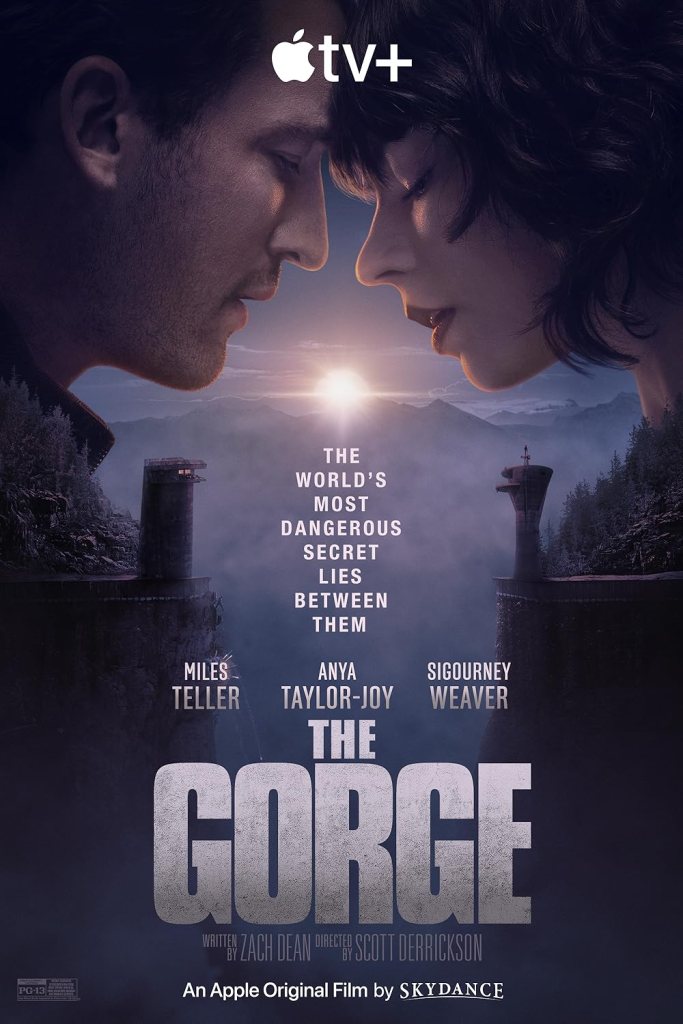
  • “The Gorge”: A Genre-Bending Thriller with Unexpected Emotional Depths

    Scott Derrickson’s latest film, “The Gorge,” released on Apple TV+ on February 14, 2025, is a curious and ambitious genre mash-up that blends sci-fi, horror, action, and romance into a unique cinematic experience. Starring Miles Teller and Anya Taylor-Joy as two highly-trained operatives guarding a mysterious abyss, the film has garnered a mixed yet often positive reception, particularly for its strong lead performances and its surprising exploration of character psyche and connection amidst a world of lurking evil.

    The premise is intriguing: Levi (Miles Teller) and Drasa (Anya Taylor-Joy) are assigned to solitary guard towers on opposite sides of a vast, highly classified gorge, tasked with protecting the world from a mysterious evil within. Forbidden from direct communication, their year-long assignment becomes a test of isolation, duty, and an unexpected burgeoning connection.

    The Psyche of Isolation and Connection

    “The Gorge” delves into the psychological impact of isolation and the profound human need for connection. Levi, a battle-hardened former U.S. Marine, carries emotional scars from his past, hinted at through his stoic demeanor. Drasa, a vibrant and skilled sniper from Eastern Europe, contrasts his quiet intensity. Despite the physical distance and strict rules, their tentative interactions across the gorge – initially through binoculars and later through shared moments of vulnerability – become the film’s beating heart. This slow-burn development of their relationship is frequently cited as the film’s most compelling aspect, building a believable and endearing romance that defies the high-stakes, monstrous backdrop.

    Reviewers note that the film excels at showing, rather than just telling, the characters’ inner lives. Their shared isolation and the constant threat from the “Hollow Men” (creatures emerging from the gorge) force them to confront their deepest fears and desires for companionship. The film subtly explores themes of loneliness, duty, and the human capacity to form bonds even in the most extreme circumstances. The chemistry between Teller and Taylor-Joy is a consistent highlight, their performances lending depth to characters who, on paper, might seem thinly sketched. Their ability to convey emotion and build a relationship with minimal dialogue is a testament to their acting prowess.

    Genre Blending and Visuals

    Derrickson, known for his work in horror and supernatural thrillers (“Sinister,” “The Black Phone”), infuses “The Gorge” with a palpable sense of dread and mystery. The gorge itself is depicted as a visually stunning yet ominous entity, with atmospheric cinematography by Dan Laustsen (known for his work with Guillermo del Toro). The creature designs for the “Hollow Men” are described as “evocative & creepy,” adding a genuine horror element to the proceedings. The action sequences are well-staged and visually engaging, benefiting from a propulsive score by Trent Reznor and Atticus Ross.

    However, the film’s ambitious genre-blending is also a source of some criticism. Some reviewers felt the transitions between romance, sci-fi, and action were not always smooth, leading to a “tonally uneven” experience. The narrative, while intriguing, is occasionally described as “implausible” or “preposterous,” with some plot holes that stretch credibility. The shift from a character-driven mystery in the first half to a more action-heavy second half was noted by some as a point where the film loses some of its initial intrigue.

    Conclusion: A Flawed Yet Engaging Experience

    “The Gorge” is not a perfect film, and its ambitious scope occasionally leads to narrative inconsistencies. However, it stands out for its earnest exploration of human connection in extraordinary circumstances. Miles Teller and Anya Taylor-Joy deliver strong performances, creating a believable and engaging central relationship that anchors the film. For audiences willing to embrace its unique blend of genres and overlook some narrative shortcuts, “The Gorge” offers a thrilling, atmospheric, and surprisingly heartfelt cinematic experience that delves into the deeper psychological needs of its characters. It’s a testament to the power of human connection, even at the edge of an abyss.

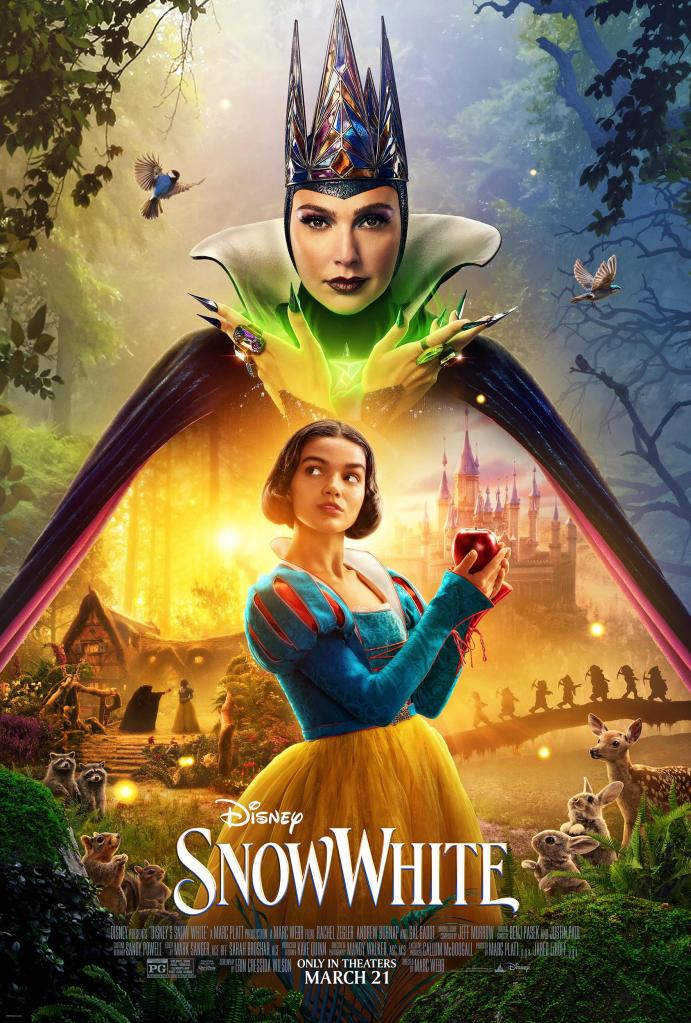
  • “Snow White” (2025): A Controversial Reimagining Struggles to Find Its Magic

    Disney’s latest live-action adaptation, “Snow White,” directed by Marc Webb, arrives amidst a flurry of anticipation and controversy. Starring Rachel Zegler in the titular role and Gal Gadot as the Evil Queen, this reimagining of the beloved 1937 animated classic attempts to modernize the fairy tale for a contemporary audience. However, early reviews indicate a mixed reception, with critics praising some individual performances but largely faulting the film for its narrative changes, visual inconsistencies, and a perceived lack of the original’s enchantment.

    The film’s plot largely follows the familiar tale: Snow White, fleeing from the jealous Evil Queen, finds refuge with a group of woodland inhabitants. When palace guards are dispatched to retrieve her, a commoner named Jonathan (Andrew Burnap) and his band of rebels band together to protect her. The core elements of the fairy tale are present, but with significant alterations aimed at updating the story’s themes and character motivations.

    One of the most frequently highlighted aspects of the film is Rachel Zegler’s performance as Snow White. Many critics commend her “impressive vocal performance” and “radiant charisma and emotion,” noting that she embodies a “fearless, fair, brave, and true” Snow White. Her singing is consistently praised as a standout element. However, some found her portrayal to lack the “charisma and inspiration” to truly elevate the character, feeling she sometimes came across as “ordinary.”

    Gal Gadot’s portrayal of the Evil Queen has garnered a more divided response. While some acknowledged her “beautiful gowns” and a certain “fun” in her performance, others found her acting to be “wooden” and “one-note,” particularly when conveying fury. Her singing voice was also noted as “thin.”

    The film’s attempts at modernization and revisionist tweaks have been a major point of discussion. Instead of a passive princess waiting for a prince, this Snow White is depicted with “newfound depth through her fervent desire to become the leader her father believed she could be.” The traditional “prince” character is replaced by Jonathan, a rebel leader, and their relationship evolves into one of “mutual support” rather than immediate romantic rescue. While some reviewers appreciated these updates for a “modern audience,” others felt these changes stripped the story of its essence and made it “unrecognizable” from the original, with the new songs being “bland” compared to the classics.

    A significant point of contention revolves around the film’s visuals and production quality. Despite a substantial budget, many critics found the CGI to be “shockingly subpar,” with the enchanted forest looking “artificial” and the CGI creatures lacking the charm of their animated counterparts. The reimagining of the seven dwarfs, now depicted as CGI characters, was a particular source of criticism, described as “creepy,” “weird,” and “horrific,” detracting from the film’s magic. The overall aesthetic is often labeled as “dull,” “uninspired,” and even “plasticky,” leading some to suggest it looks more like a “direct to video” release than a major Disney production.

    Ultimately, “Snow White” appears to be a film caught in a difficult balance between honoring a beloved classic and attempting to reinvent it for contemporary sensibilities. While Rachel Zegler’s vocal talents and some of the updated themes found favor with a portion of critics, the film’s inconsistent visuals, narrative changes, and perceived lack of the original’s inherent magic have left many feeling that this live-action adaptation is “unnecessary” and “forgettable.” For some, it reinforces the sentiment that not every animated masterpiece benefits from a live-action remake.