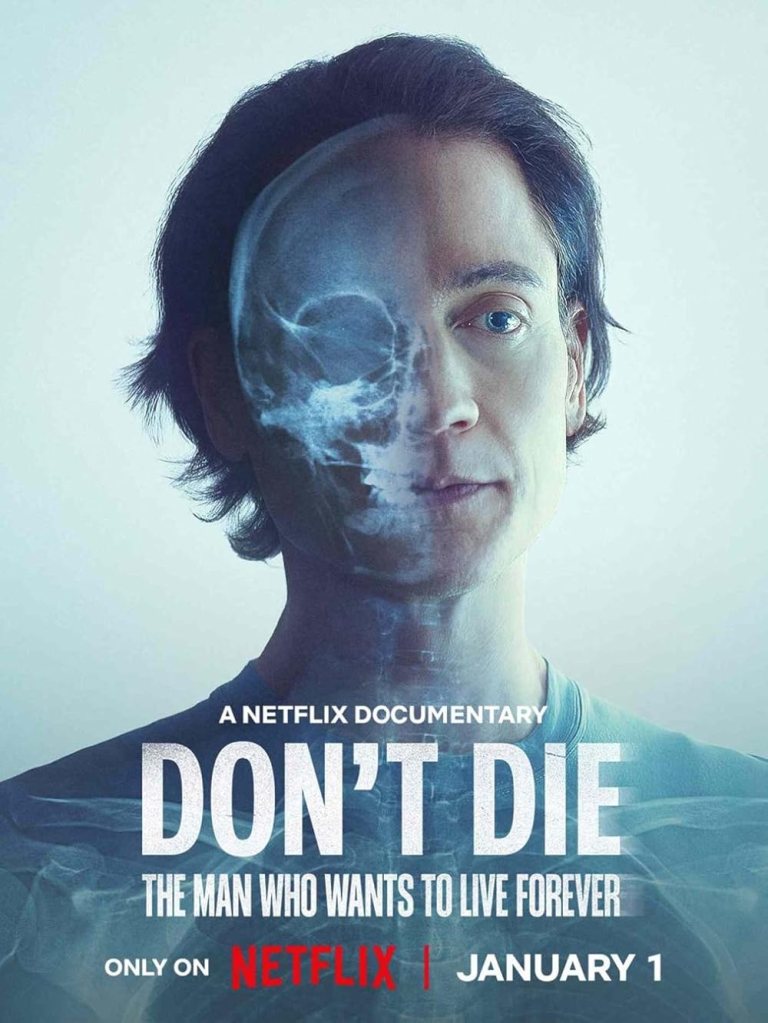
Tech billionaire Brian Johnson has captured the internet’s attention with his intense and highly publicized quest for longevity, known as “Project Blueprint.” Now, a new film, aptly titled “Don’t Die,” offers a more intimate look into Johnson’s life, particularly his relationship with his son and the visible impact of his unconventional health regimen. While Johnson’s philosophy might strike some as extreme, the documentary presents an interesting case study on dedication, personal transformation, and the pursuit of well-being, however unique.
One of the most compelling aspects of “Don’t Die” is its portrayal of Brian Johnson as a father. We see genuine moments of connection and quality time shared with his son, offering a glimpse into the personal motivations behind his rigorous lifestyle. It’s clear that Johnson’s pursuit of longevity isn’t solely for himself but perhaps also rooted in a desire to be present and healthy for his family. These scenes add a layer of humanity to a figure often viewed through the lens of his intense health protocols.
Visually, the film doesn’t shy away from showcasing the results of Johnson’s dedication. Whether you agree with his methods or not, it’s undeniable that Johnson exudes a certain vitality. His appearance, as highlighted in the documentary, suggests a man deeply invested in his well-being. There’s a youthful glow and an energetic presence that seems to contradict his chronological age. The film subtly implies that this could be a direct result of his unwavering commitment to his “Blueprint” program.
The Science Behind the Blueprint: Food, Vitamins, and Meticulous Measurement
“Don’t Die” offers glimpses into the scientific rigor underpinning Johnson’s “Project Blueprint.” His approach is centered on precise measurement and optimization of numerous biomarkers, striving to achieve the biological age of a younger individual.
His food regimen is highly controlled and plant-based, with an approximate daily calorie intake of 2,250. Every calorie, as he explains, is “purpose driven,” meaning it must contribute a specific benefit to his body. His diet focuses on superfoods like broccoli, cauliflower, black lentils, ginger, berries, nuts, and seeds. He avoids sugar, junk food, fried food, highly processed food, dairy, pasta, bread, and alcohol. His meals are eaten within a tight window, typically between 6 am and 11:30 am, and include dishes he refers to as “Super Veggie” (containing items like broccoli, cauliflower, black lentils, mushrooms, garlic, and ginger) and “Nutty Pudding” (made with protein powder, blueberries, and blackberries, among other ingredients).
To supplement his diet, Johnson adheres to an extensive vitamin and supplement regimen. He takes over 100 supplements and pills daily, including a “Blueprint Stack” that consists of seven multivitamin and multimineral products, containing 74 compounds. Some notable compounds he takes include Ca-AKG (Calcium Alpha-Ketoglutarate), NR (Nicotinamide Riboside) or NMN (Nicotinamide Mononucleotide), Taurine, Nordihydroguaiaretic Acid (NDGA), Sulforaphane, CoQ10 (Coenzyme Q10), Turmeric (Curcumin), N-Acetyl-L-Cysteine (NAC), low-dose Lithium, Resveratrol, and Metformin. He also takes specific vitamins like D3 and K2, and consumes collagen peptides.
The precision of “Project Blueprint” extends to Johnson’s meticulous tracking of his body and its functions. He regularly takes hundreds of measurements of his body’s biological processes. For assessing body fat, he uses methods like DEXA scans, which measure body fat, muscle volume, and visceral fat. He has reported being in the top 99.5% for highest muscle volume and bottom 0.5% for visceral, muscle, and subcutaneous fat volume. Beyond body composition, he monitors an extensive array of biomarkers, including blood glucose, cholesterol levels (LDL, HDL), inflammation markers (hsCRP), vitamin D, Omega-3s, liver enzymes (AST/ALT), kidney function (Cystatin-C), and even telomere length. He also undergoes various fitness tests like continuous push-ups, a sit-rise test, waist-to-height ratio, grip strength, and a one-leg stand balance test. This comprehensive approach to self-measurement is a cornerstone of his attempt to understand and optimize his body.
What truly makes “Don’t Die” an interesting watch is the evident enjoyment Johnson seems to derive from his chosen path. Despite the strict routines and unconventional dietary choices, the film captures a sense of fulfillment in his pursuit. He speaks passionately about his journey, and there’s a palpable sense of satisfaction in the changes he has implemented. This genuine enthusiasm is infectious and might lead viewers to consider their own approaches to health and well-being, even if they don’t subscribe to Johnson’s extreme methodologies.
“Don’t Die” doesn’t necessarily endorse Brian Johnson’s specific health philosophy. Instead, it presents a portrait of a man who has made significant and arguably positive changes in his life, at least as evidenced by his own demeanor and reflections. The documentary leaves room for viewers to form their own conclusions about the practicality and desirability of such an intense regimen.
Ultimately, “Don’t Die” is an intriguing exploration of one individual’s dedicated journey towards longevity. It highlights the importance of intentional living and the potential for positive transformation when someone fully commits to a chosen path. While Brian Johnson’s methods may be extreme, the film offers a compelling look at a man who appears to be genuinely enjoying the process and reaping visible benefits, making it a worthwhile watch for those curious about the cutting edge of personal health and well-being.
