Tag: action

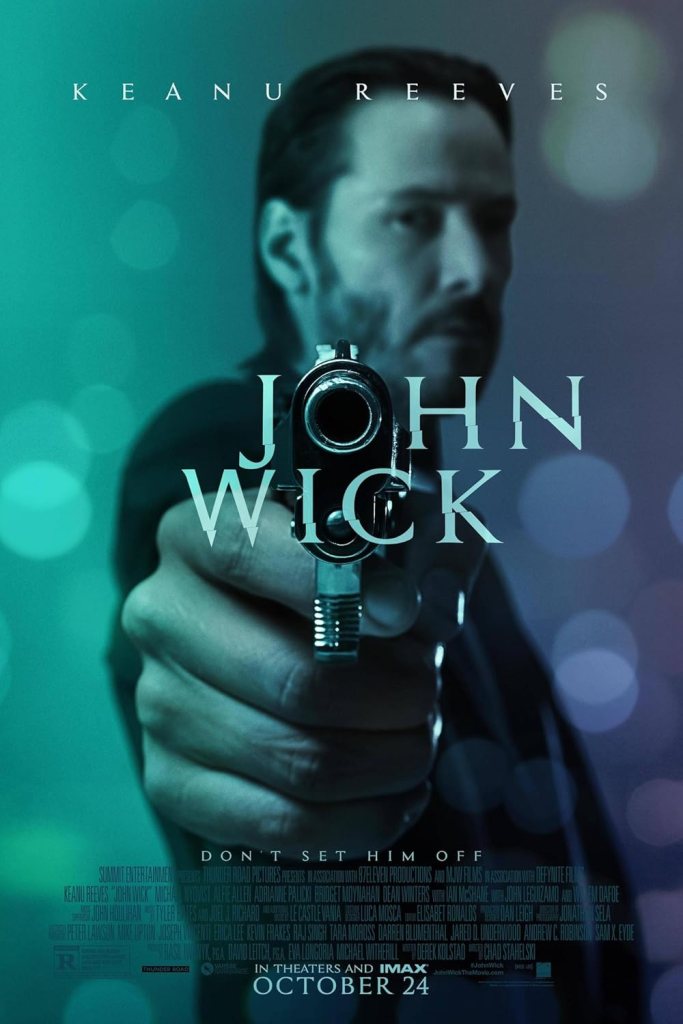
  • “John Wick”: A Bullet-Riddled Journey of Grief and Vengeance

    Before it became a global phenomenon of ever-escalating action, “John Wick” arrived in 2014 like a precision-guided missile, a stylish and surprisingly emotionally resonant entry into the action genre. While renowned for its groundbreaking fight choreography, the film’s true power lies in its ability to ground the spectacular violence in a deeply human, albeit tragic, story.

    At its core, “John Wick” is an emotionally captivating tale of loss and the desperate fight to reclaim a semblance of peace. The narrative hinges on the devastating personal tragedy of John Wick, a retired hitman, whose life has been shattered by the loss of his beloved wife, Helen, played in a brief but impactful role by Bridget Moynahan. Her thoughtful final gift to him – a beagle puppy named Daisy – is a symbol of hope, a tangible piece of the future she envisioned for him. When this last vestige of his happiness is cruelly taken from him by petty thugs, John’s subsequent rampage is not merely about a dog; it’s a powerful, almost primal, act of fighting for his lost wife, for the life they built, and for the peace that was stolen. The puppy represents the final thread connecting him to Helen, and its brutal demise severs that last link, unleashing the legendary “Baba Yaga” once more.


    The Plot: From Grieving Widower to Unstoppable Assassin

    The story begins with John Wick seemingly retired from his notorious past as a hitman, living a quiet life of solitude after Helen’s passing. The arrival of Daisy, a final gesture of love from his wife, brings a glimmer of light into his darkened world. This fragile peace is shattered when a group of Russian thugs, led by Iosef Tarasov (played by Alfie Allen), break into his home, steal his car, and brutally kill Daisy.

    Unbeknownst to Iosef, he has just awakened a sleeping giant. His father, Viggo Tarasov (portrayed by the formidable Michael Nyqvist), is the head of the Russian crime syndicate, and he knows exactly who John Wick is – an assassin of unparalleled skill and legendary ruthlessness, a man once so feared he was dubbed the “Baba Yaga” (the boogeyman) for his ability to kill seemingly impossible targets. Viggo’s desperate attempts to contain John’s vengeance, offering bribes and sending hordes of his own men, only further illustrate the terror John inspires.

    John’s path of vengeance leads him through the intricate, clandestine world of assassins, a hidden society governed by its own strict rules and codes, centered around the Continental Hotel. Here, he interacts with characters like Winston, the enigmatic manager of the Continental (played by a wonderfully stoic Ian McShane), and Charon, the concierge (played by Lance Reddick), who maintain a neutral ground for assassins. He also crosses paths with Marcus, an old friend and fellow hitman (played by a weary yet principled Willem Dafoe), whose loyalty becomes a critical factor. The narrative is a relentless forward momentum, a series of escalating encounters as John systematically dismantles Viggo’s empire, one bullet and one broken bone at a time.


    Action That Redefined the Genre

    The action scenes in “John Wick” are nothing short of amazing, often credited with revitalizing the American action film genre. Directors Chad Stahelski and David Leitch (uncredited) brought a refreshing approach, emphasizing wide shots, long takes, and practical effects over shaky-cam and excessive cuts. This “gun-fu” style, a seamless blend of close-quarters combat and firearms proficiency, allows viewers to truly appreciate the incredible choreography and John Wick’s lethal efficiency. Every headshot, every grapple, every reload feels visceral and impactful, creating a ballet of brutality that is both thrilling and strangely beautiful.


    Critical Consensus: A Resounding Success

    Upon its release, “John Wick” garnered widespread acclaim from critics and audiences alike. The consensus was overwhelmingly positive, praising its stylized action, tight screenplay, and Tom Wick’s captivating performance. Reviewers frequently highlighted its unique visual aesthetic, the innovative “gun-fu” fight choreography, and the surprisingly emotional core that elevated it beyond a typical revenge flick. Many noted that while the plot was deceptively simple, it was executed with such precision and flair that it felt fresh and compelling. The film was celebrated for successfully establishing a rich, self-contained universe with its own mythology and rules, laying the groundwork for the successful franchise it would become. It was seen as a triumphant return for an iconic action star and a benchmark for modern action cinema.

    “John Wick” is a masterclass in action filmmaking, proving that a clear emotional drive, combined with exceptional execution, can elevate a genre film to something truly special. It’s a journey of grief, vengeance, and a surprising amount of heart, wrapped in a meticulously choreographed package of pure adrenaline.nt of heart, wrapped in a meticulously choreographed package of pure adrenaline.

  • “Mission: Impossible – Dead Reckoning Part One”: A Masterclass in Memorable Action and Visionary Direction

    “Mission: Impossible – Dead Reckoning Part One” isn’t just another installment in the iconic spy franchise; it’s a truly unforgettable cinematic event that reaffirms the series’ status as the pinnacle of action filmmaking. From its meticulously crafted set pieces to its surprisingly deep emotional core, this film delivers an experience so compelling, it warrants immediate re-watches and leaves a lasting impression.

    At the heart of its success is the electrifying and undoubtedly amazing chemistry between Tom Cruise’s Ethan Hunt and Hayley Atwell’s Grace. Their dynamic on screen is a constant source of wit, tension, and genuine connection, elevating their interactions beyond mere plot progression. Grace is far more than a simple accomplice; she’s a complex character who challenges Ethan and adds a fresh, engaging layer to the narrative, making their evolving relationship a captivating emotional anchor.

    Visually, the film is nothing short of stunning. The shooting locations are magnificent, transporting the audience across breathtaking landscapes and into the intricate, historic architecture of various cities. Each environment is utilized to its fullest potential, becoming an integral part of the action and contributing significantly to the film’s grand scale and authentic feel. This commitment to real-world backdrops, rather than relying solely on green screens, imbues every frame with a palpable sense of reality and immersion.

    Of course, the action scenes are spectacular, pushing the boundaries of what’s achievable in cinema. From the heart-stopping Rome car chase to the gravity-defying motorcycle cliff jump and the harrowing train sequence, every stunt is a testament to precision, daring, and relentless dedication. These aren’t just isolated moments of chaos; they are meticulously choreographed ballets of destruction and ingenuity that leave you breathless and marveling at the sheer audacity of their execution.

    Beyond the adrenaline, “Dead Reckoning Part One” excels in making you truly care about the characters. The film delves into the motivations and vulnerabilities of Ethan, his loyal team, and even the new faces introduced. This emotional investment ensures that the incredibly high stakes resonate deeply, adding a profound weight to every thrilling sequence and making the audience genuinely invested in their fates.

    Perhaps most timely and intriguing is the film’s superb and highly anticipated use of Artificial Intelligence as the primary antagonist, “The Entity.” This chillingly intelligent AI offers a thought-provoking and relevant exploration of potential future threats, blending classic spy tropes with a cutting-edge premise. The Entity’s omnipresence and predictive capabilities create a sense of dread and an almost insurmountable challenge for Ethan, making the narrative feel both fresh and intellectually stimulating.

    Christopher McQuarrie’s Directorial Brilliance

    Much of the film’s triumph can be attributed to the singular vision of director Christopher McQuarrie. He has become the architect of the modern “Mission: Impossible” era, transforming the franchise into a consistent powerhouse of practical stunt work and character-driven storytelling. McQuarrie’s directorship is defined by his collaborative partnership with Tom Cruise, where script and action sequences are often developed in tandem, even during filming. This adaptive approach ensures that every daring stunt serves the narrative, deepening emotional impact rather than existing purely for spectacle. He understands that true suspense comes from investing the audience in the characters and their impossible predicaments.

    This commitment to practical, character-infused action is brilliantly showcased in two of the film’s most memorable sequences: the Rome car chase and the airport scene.

    The Roman Romp: A Masterclass in Controlled Chaos

    The Rome car chase is a prime example of McQuarrie’s ability to take a familiar action trope and infuse it with exhilarating new life. What begins as a relatively standard pursuit quickly devolves into a hilariously chaotic, yet utterly thrilling, ballet of destruction through the ancient city’s winding, cobblestone streets. Tom Cruise himself, driving and drifting a tiny Fiat 500 one-handed, navigates the treacherous, unpredictable surfaces with breathtaking skill. The “possessed” Fiat, a specially built vehicle designed for extreme maneuvers, becomes a character in itself, bouncing and sliding with an almost sentient energy. McQuarrie masterfully utilizes the unique urban environment, turning narrow alleyways and iconic landmarks into dynamic obstacles and opportunities for ingenious escapes. The scene perfectly blends high-stakes action with a surprising amount of humor, largely due to the fantastic, evolving chemistry and banter between Ethan and Grace as they navigate the impossible.

    The Airport Scene: Underrated Tension and Setup

    While perhaps less overtly explosive than the Roman chase or the later train sequence, the airport scene in “Dead Reckoning Part One” is an incredibly underrated display of McQuarrie’s directorial prowess in building sustained tension and meticulously setting up critical plot points. This sequence serves as a crucial introduction for Grace into Ethan’s high-stakes world, showcasing her cunning as a master thief under immense pressure. McQuarrie crafts the scene with surgical precision, relying on intricate choreography, precise timing, and subtle visual cues to maximize suspense. The constant threat of discovery, the close calls, and the intricate dance of deception create a palpable sense of unease. It’s a testament to McQuarrie’s understanding that the most gripping moments can often come from the quiet, meticulous build-up of suspense rather than just loud explosions. The scene also highlights his commitment to character, as we witness Ethan’s growing concern for Grace’s safety and her surprising resourcefulness, underscoring the intelligence and character-driven nature that underpins even the most elaborate set pieces.

    In conclusion, “Mission: Impossible – Dead Reckoning Part One” is, without a doubt, a great movie. Its seamless blend of exhilarating action, compelling characters, stunning visuals, and a truly innovative premise made such a profound impact that it became an immediate re-watch, a testament to its broad appeal and sheer entertainment value, even for a family viewing. It’s a cinematic experience that truly sticks with you, and sets an incredibly high bar for its eagerly awaited conclusion.