Author: Ilavueso Hawaii

  • Mastering the Art of Starting Fresh: A Novice’s Perspective

    There’s a unique thrill that hums beneath the surface of a new beginning, a quiet excitement that buzzes with possibility. Think about it: a crisp, clean journal just waiting for your stories, a new recipe you’ve never tried, or the first tentative steps into a completely unknown skill. While the seasoned expert might glide with practiced ease, there’s a profound, often overlooked beauty in being a novice.

    We live in a world that often celebrates mastery and immediate success. The polished Instagram feeds, the flawless performances, the overnight sensations – they can make us feel like anything less than perfect is a failure. But what if we shifted our perspective? What if we truly embraced the delightful messiness, the awkward stumbles, and the glorious “aha!” moments that only a beginner experiences?


    The Novice’s Superpower: Unfettered Curiosity

    When you’re new to something, you’re a sponge. You ask “why?” incessantly. You’re not bound by established norms or preconceived notions. This unadulterated curiosity is a superpower. It allows you to see things with fresh eyes, to question the unquestionable, and sometimes, even to stumble upon innovative solutions simply because you didn’t know “it couldn’t be done.” There’s no ego to protect, no reputation to uphold – just a pure, unadulterated desire to learn.

    Consider a child learning to draw. They don’t fret over perfect perspective or anatomical accuracy. They simply draw what they see, what they feel, with vibrant colors and boundless imagination. Their “mistakes” often lead to unexpected artistic discoveries. This is the essence of the novice’s mind – a mind free from the constraints of expectation, open to every input, and primed for organic growth. This open-mindedness is what fuels true innovation; many groundbreaking ideas have come from individuals unburdened by the “correct” way of doing things.


    The Gift of Growth: Every Small Victory is Monumental

    Remember learning to ride a bike? That exhilarating wobble, the sudden surge of balance, and then the triumphant, albeit short, ride before a spectacular dismount. Every tiny improvement as a novice feels like a monumental achievement. The first time your sourdough starter bubbles, the first chord you strum cleanly on a guitar, the first sentence you confidently speak in a new language – these are not just steps, they are glorious leaps. These small victories fuel a powerful sense of progress that can be harder to find when you’re already at the peak of your game.

    For the expert, progress might be incremental, a subtle refinement of an already polished skill. But for the beginner, each new understanding, each successful execution, is a tangible sign of development. It’s a powerful positive feedback loop that encourages persistence and builds genuine confidence, not just in the skill itself, but in your capacity to learn and grow. This constant affirmation makes the learning journey exhilarating, pushing you forward with renewed enthusiasm.


    Embracing Imperfection: The Freedom to Fail

    Perhaps the greatest beauty of being a novice is the inherent permission to be imperfect. When you’re new, everyone expects you to make mistakes. There’s a wonderful liberation in not knowing all the answers, in being able to ask “dumb questions,” and in trying something audacious simply because you don’t yet know all the reasons it might fail. This freedom allows for genuine experimentation and, often, leads to unexpected discoveries. It’s in these initial awkward attempts that we truly learn, adapt, and build resilience.

    Think of it as a creative sandbox. You can build, tear down, and rebuild without the pressure of a finished product. This iterative process, driven by trial and error, is how true mastery is eventually forged. The ability to embrace failure not as an endpoint, but as a crucial step in the learning process, is a lesson that serves us well beyond the initial stages of any new endeavor. It cultivates a growth mindset, transforming setbacks into valuable lessons.


    New Beginnings: A Chance to Redefine Yourself

    Every new beginning is an opportunity for reinvention. Whether it’s a new career, a new hobby, or even just a new approach to an old routine, stepping into the unknown forces us to shed old habits and embrace growth. It’s a chance to challenge our assumptions about ourselves and discover hidden talents or passions we never knew we possessed.

    Perhaps you always thought you were “bad at art,” but a new pottery class reveals a hidden talent for sculpting. Or maybe a shift in your professional life opens doors to leadership skills you never knew you possessed. These fresh starts allow us to redefine our identities, expanding our self-perception beyond familiar boundaries. It’s a liberating experience to realize that you are not confined to who you were yesterday, but a constantly evolving being capable of surprising even yourself.


    The Power of Presence: Living in the “Now”

    Being a novice also inherently pulls us into the present moment. When you’re grappling with a new skill, your mind is entirely focused on the task at hand. There’s little room for rumination on past failures or anxieties about future outcomes. This intense focus on the “now” can be incredibly meditative and grounding. It’s a chance to disconnect from the relentless hum of daily life and fully immerse yourself in the learning process. This deep engagement fosters a sense of flow, where time seems to melt away and true learning takes root.

    So, the next time you find yourself at the precipice of a new venture, feeling a little clumsy and unsure, take a moment to savor it. Lean into the awkwardness, celebrate the small wins, and most importantly, nurture that beautiful, boundless curiosity. For in the heart of every novice lies the boundless potential for growth, discovery, and the true wonder of a clean slate.

    What new beginnings are you embracing today? Share your novice adventures and the lessons you’re learning in the comments below!
  • A Quiet Place: Day One Review – Urban Chaos and Human Resilience

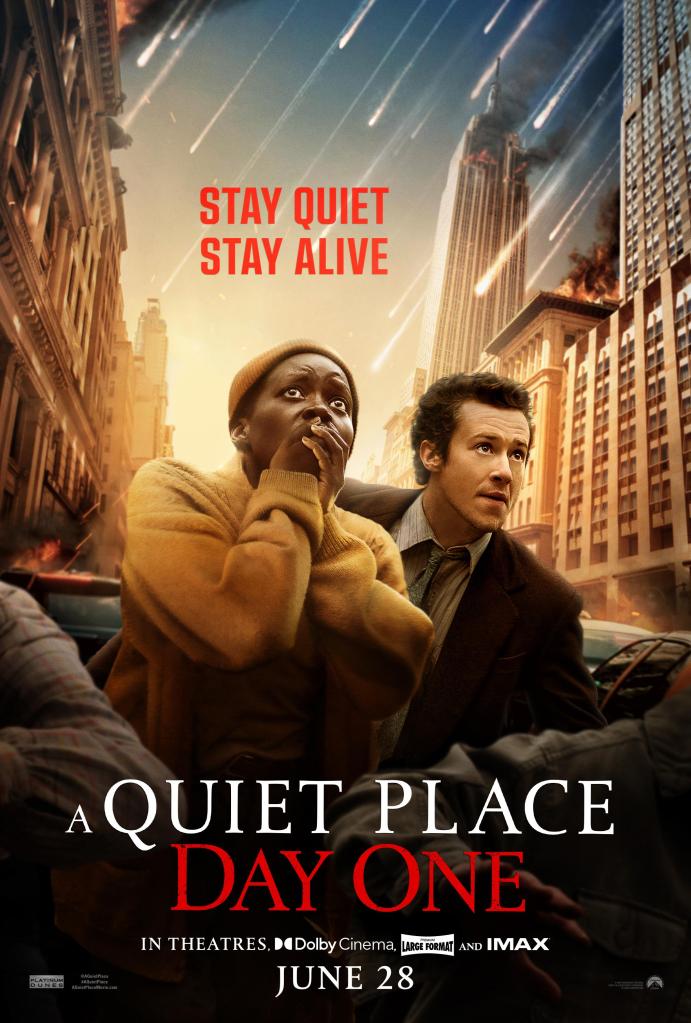
    The “Quiet Place” franchise expands its eerie universe with “A Quiet Place: Day One,” a prequel that transports audiences back to the harrowing genesis of the alien invasion. Diverging from the established Abbott family narrative, this installment ventures into the chaotic, once-bustling streets of New York City, offering a fresh, character-driven perspective on the apocalyptic onset. Critics largely praise the film for its compelling performances, particularly from Lupita Nyong’o and Joseph Quinn, and its successful shift in thematic focus, even if some found it less about the initial carnage and more about human connection.

    At its core, “Day One” is lauded for being “grounded in raw humanity” (Rotten Tomatoes consensus). Rather than solely focusing on the alien threat, director Michael Sarnoski (known for “Pig”) masterfully weaves a poignant tale of two strangers, Samira (Lupita Nyong’o) and Eric (Joseph Quinn), finding unexpected solace and purpose amidst the terrifying silence. Nyong’o’s portrayal of Samira, a character grappling with her own mortality even before the invasion, has been widely highlighted as a powerhouse performance, showcasing a heartbreaking vulnerability and resilience. Joseph Quinn, too, receives accolades for his nuanced depiction of Eric, a man lost and fearful who finds a path forward alongside Samira. Their chemistry is often cited as a major strength, carrying the emotional weight of the film.

    The shift to an urban setting provides a new canvas for the franchise’s signature tension. While some viewers initially expected more large-scale destruction and the explicit “learning” process of silence that the first two films touched upon in their opening, “Day One” opts for a more intimate and claustrophobic experience within the city’s ruins. The concept of New York’s inherent 90-decibel hum suddenly falling silent, punctuated by sudden, fatal alien attacks, creates a unique and often relentless sense of dread. The sound design, a hallmark of the series, is once again praised as immaculate and integral to the storytelling, making every rustle and creak a source of terror.

    However, the film isn’t without its critiques. Some reviewers felt that the “Day One” aspect, particularly the initial chaos and the revelation of how people adapted to silence, was glossed over or not explored to its full potential. The lack of new lore regarding the aliens’ origins or motivations was also a point of contention for some who sought more expansion of the universe. Additionally, while the character-driven narrative is celebrated, a few critics felt that the plot, at times, relied on conveniences or that the character development, particularly for Eric, could have been more fleshed out.

    Despite these minor quibbles, the consensus remains overwhelmingly positive. “A Quiet Place: Day One” is seen as a worthy and refreshing addition to the franchise, proving that the concept can thrive beyond the original family unit. Its ability to balance nail-biting suspense with deeply affecting human drama, even prompting tears in some viewers, sets it apart. And, of course, no review would be complete without mentioning the breakout star who “steals the show”: Frodo the cat, whose quiet antics provide both comfort and unexpected moments of tension.

    Ultimately, “A Quiet Place: Day One” delivers on its promise of a terrifying yet emotionally resonant journey, inviting audiences to experience the devastating beginnings of a silent world through a fresh lens and proving that even in the face of unimaginable terror, human connection and the pursuit of simple pleasures can offer a profound sense of hope.

  • “Soul”: The Symphony of Everyday Living

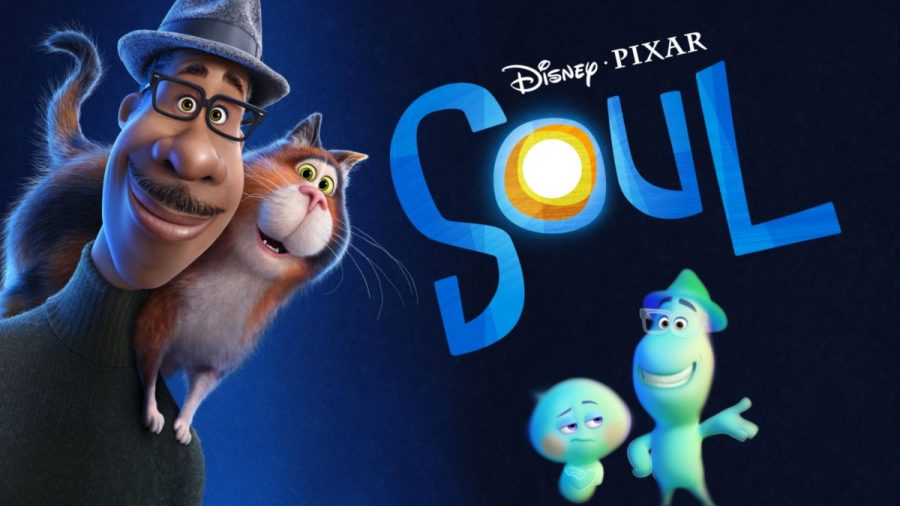
    Pixar has long been a master of blending heartfelt storytelling with profound philosophical questions, and their 2020 animated feature, Soul, is no exception. Directed by Pete Docter and Kemp Powers, this visually stunning and emotionally rich film takes audiences on an existential journey that challenges conventional notions of purpose and happiness, ultimately celebrating the quiet beauty found in simply living.

    The story centers on Joe Gardner (voiced by Jamie Foxx), a middle school band teacher with a lifelong dream of becoming a professional jazz pianist. Just as he finally gets his big break, a sudden accident sends his soul to the “Great Before” – a fantastical realm where new souls develop their personalities and “spark” before heading to Earth. There, Joe reluctantly teams up with 22 (voiced by Tina Fey), a cynical soul who has yet to find her spark and has no desire to go to Earth. Their unlikely partnership forms the core of a narrative that explores life, death, and everything in between.

    One of the most powerful messages Soul imparts is about not being hung up on a singular purpose in life. Joe’s entire identity is wrapped up in his dream of being a jazz musician. He believes that achieving this one grand goal is the only way he can truly live and find fulfillment. The film masterfully deconstructs this idea, showing how such an intense focus can blind one to the richness of existence. Through his interactions with 22, and his own unexpected journey, Joe begins to understand that a “spark” isn’t a predetermined life purpose or a specific talent. It’s not about what you do for a living, but how you live. The film gently suggests that while passions are important, defining one’s entire worth by a single ambition can be a limiting and even dangerous path.

    This leads directly to the film’s most resonant theme: finding the beauty in everyday living. 22, initially resistant to life on Earth, slowly begins to experience the simple wonders of the human world through Joe’s eyes (and senses). A perfect slice of pizza, the feeling of wind, the taste of a lollipop, the warmth of a hug, the sound of leaves rustling – these seemingly mundane moments become profound revelations. It’s in these small, unassuming details that the true “spark” of life is discovered. The film argues that happiness isn’t found solely in monumental achievements or grand purposes, but in the accumulation of these quiet, sensory experiences that make up the fabric of our daily lives.

    From my perspective, Soul is a profound and necessary film for our achievement-driven society. It’s a beautiful reminder that life isn’t a checklist of accomplishments to be completed, but a journey to be experienced. The film’s animation is, as expected from Pixar, breathtaking, with vibrant colors in the “Great Before” contrasting with the gritty realism of New York City. The jazz score is also a character in itself, perfectly complementing Joe’s passion and the film’s soulful atmosphere.

    In conclusion, Soul is a poignant and deeply moving exploration of what it means to be alive. It encourages us to release the pressure of finding one definitive “purpose” and instead embrace the countless small joys that make life worth living. It’s a film that leaves you with a renewed appreciation for the present moment, reminding us that every day, in its simplicity, holds the potential for a perfect, sparkling experience.

  • Final Destination: Bloodlines Review – A Gruesome Return

    The Grim Reaper is back, and critics are singing its praises. Final Destination: Bloodlines, the sixth installment in the long-running horror franchise, has arrived in 2025 with directors Zach Lipovsky and Adam Stein at the helm, and it’s being hailed as a fresh, brutal, and surprisingly emotional return to form. Moving beyond simple premonitions of impending disaster, Bloodlines delves into a deeper, familial connection to Death’s intricate plan, offering a compelling homage to its predecessors while delivering its signature message: be wary of death, for it always gets its due.

    Reviews indicate a significant shift in critical reception for the franchise, with Bloodlines boasting an impressive 93% on Rotten Tomatoes – a stark contrast to previous entries, and a testament to its ability to win over even skeptical critics. The film reportedly achieves this by blending the gruesome creativity fans expect with a surprisingly emotional core, making the brutal, elaborate kills feel more personal than ever before.

    The core premise remains, with a college student named Stefani (Kaitlyn Santa Juana) plagued by recurring nightmares of a catastrophic tower collapse in the 1960s. She soon discovers these are inherited premonitions, and her family is now on Death’s hit list, their lives intricately tied to an incident decades prior where her grandmother, Iris (Brec Bassinger in flashbacks), saved a group of people from their destined demise. The twist this time? Death isn’t just coming for the survivors; it’s coming for their entire “bloodline,” often in chronological order from oldest to youngest within the family.

    My take on Final Destination: Bloodlines is that it brilliantly pays homage to previous Final Destination films while evolving the formula. The film’s opening sequence, reportedly a “belter” that rivals the franchise’s best, sets the stage with the meticulous, Rube Goldberg-esque death traps fans adore. From rogue coins to precarious chandeliers, the premonition is a masterclass in tension, delivering exactly what viewers come for. Moreover, the film is littered with subtle (and not-so-subtle) Easter eggs and references to iconic deaths from past installments, like a truck carrying logs – a clear nod to Final Destination 2. These nods are not just fan service; they reinforce the idea that this is a connected universe, potentially tying all previous films into a larger, overarching scheme orchestrated by Death.

    Beyond the thrills, Bloodlines truly functions as a film that teaches one to be wary of death. The franchise has always played on the inevitability of mortality, but by focusing on a family bloodline, this installment heightens the stakes and makes the threat more visceral. When the characters aren’t just random strangers but connected individuals, their desperate attempts to cheat Death, and their subsequent gruesome ends, become more impactful. The film is a chilling reminder that no matter how much we try to control our fate, Death is a relentless, unseen force that cannot be truly evaded. The creative and increasingly absurd methods of demise serve as a constant, morbid lesson in the fragility of life.

    The film is also notable for the poignant inclusion of the late Tony Todd as William Bludworth, the enigmatic mortician who has been a staple of the series. Reviews highlight his scene as a “quietly powerful” moment, with producer Craig Perry revealing that Todd’s lines were largely unscripted, a personal message from the actor to his fans, making his final cinematic appearance deeply moving. This adds a layer of unexpected gravitas, reinforcing the film’s underlying theme of mortality and the preciousness of life.

    While some critics note a lean into more comedic elements, and perhaps a slight lack of thematic depth compared to its predecessors, the overall consensus is that Final Destination: Bloodlines injects new life into a beloved franchise. It’s a brutal, energetic, and darkly comedic ride that understands its audience, delivers on its patented “inevitable death” mechanics, and offers a compelling expansion of the Final Destination lore. It’s a gory, entertaining reminder that Death waits for no one, and sometimes, the best we can do is enjoy every second we have.

  • “Perfect Days”: A Quiet Revolution in the Pursuit of Happiness

    “Perfect Days”: A Quiet Revolution in the Pursuit of Happiness

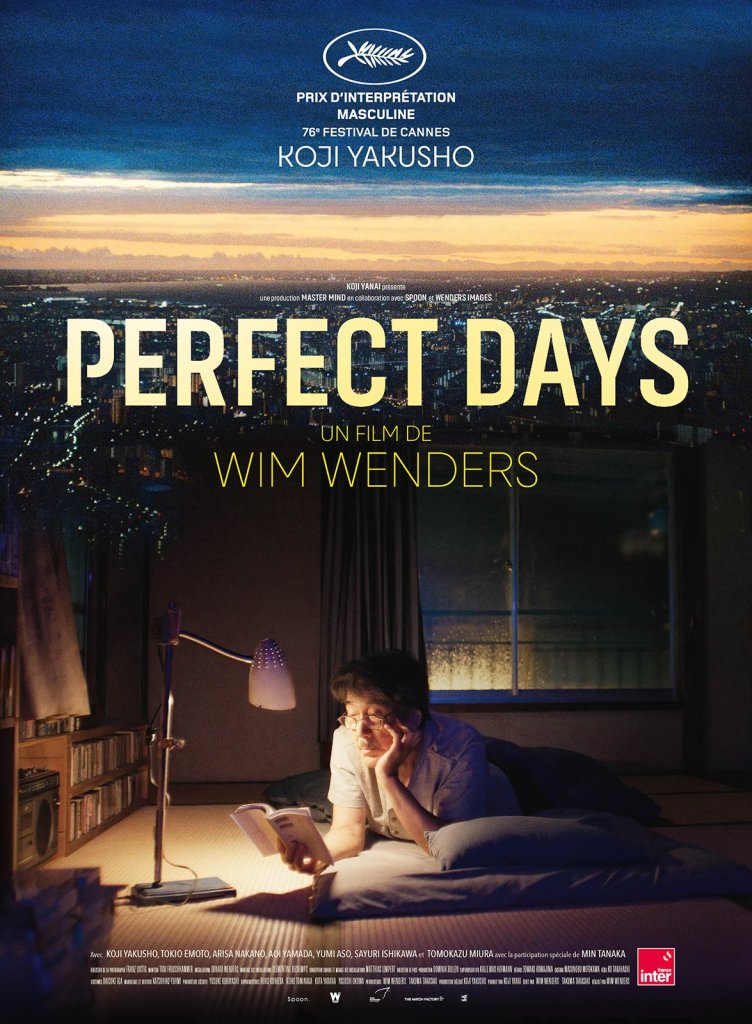
    Wim Wenders’ 2023 film, Perfect Days, has captivated audiences and critics alike with its serene, meditative portrayal of a Tokyo public toilet cleaner named Hirayama, played with masterful subtlety by Koji Yakusho (who rightly won Best Actor at Cannes for the role). The film, nominated for an Oscar for Best International Feature, is a gentle yet profound cinematic experience, inviting viewers to slow down and find beauty in the seemingly mundane. Beyond its elegant aesthetics and soothing rhythm, Perfect Days offers a compelling challenge to prevalent social expectations, asserting that true happiness isn’t found in material wealth or societal status, but in the profound satisfaction of a simple, intentional life.

    Reviewers universally laud the film’s almost hypnotic quality. We follow Hirayama through his meticulously ordered daily routine: waking to the sound of a distant broom, watering his collection of small plants, selecting a cassette tape for his morning drive (classic rock and folk, from Lou Reed to Nina Simone, form a beautiful soundtrack), diligently cleaning Tokyo’s strikingly architectural public restrooms, taking photos of komorebi (the sunlight filtering through leaves) during his lunch break, and unwinding with a book. This repetitive structure, rather than feeling tiresome, becomes a comforting ritual, a testament to the beauty that can be found in consistency and dedication.

    My take on Perfect Days is that it powerfully challenges the norms of social expectations. In a world that often equates success with career advancement, high income, and accumulating possessions, Hirayama’s life is a radical counter-narrative. He finds immense satisfaction and dignity in a blue-collar job that many might deem undesirable or lowly. The film doesn’t romanticize poverty or preach asceticism; instead, it showcases a deliberate choice to derive meaning from the task at hand, from contributing to the cleanliness and order of his city, and from the small, overlooked details of his existence. He is not driven by external validation or the need to impress; his contentment is internal and self-sustaining. This is a significant message in societies often caught in a relentless pursuit of “more.”

    The film meticulously demonstrates how the main character finds happiness and satisfaction in life doing blue-collar work. Hirayama approaches his job with a Zen-like focus, transforming the act of cleaning into a form of meditation. He is present in every moment, whether he’s scrubbing a toilet, carefully arranging his tools, or simply observing the world around him. This dedication elevates his work from a mere chore to a meaningful contribution. He takes pride in his labor, and that pride is a profound source of his happiness. This portrayal is a quiet but firm rebuttal to the idea that fulfillment is exclusive to white-collar professions or high-status endeavors.

    Furthermore, Perfect Days profoundly illustrates that happiness is not found in the material but in living simply. Hirayama’s apartment is modest, his possessions few but cherished (his cassette player, his books, his camera). He doesn’t chase fleeting trends or external validation. Instead, his joy stems from the tangible: the warmth of a bath, the taste of a simple meal, the beauty of natural light, the pages of a well-loved book, and the melodies of his favorite songs. The film subtly critiques consumerism by showing how a life unburdened by excessive material desires can lead to a deeper appreciation for the simple, often free, pleasures of existence.

    While some might interpret Hirayama’s solitary life as lonely, as some reviewers have noted, the film subtly suggests a chosen solitude—a space where he cultivates inner peace. Brief, poignant interactions with others, like his young, more boisterous colleague, his estranged sister, or even strangers he encounters, hint at a past and a rich inner life that the film doesn’t fully reveal, leaving much for the audience to contemplate. This ambiguity only deepens the film’s power, allowing viewers to project their own understanding onto Hirayama’s serene, yet sometimes melancholic, expressions.

    In essence, Perfect Days is a cinematic balm for the modern soul. It’s an invitation to pause, observe, and reconsider what truly constitutes a “perfect day.” Through Hirayama’s quiet dedication and profound appreciation for the unassuming, Wim Wenders delivers a timeless message: that the richest life may well be the one lived most simply, mindfully, and with dignity in every moment, no matter how ordinary it may seem.

  • The Wedding Banquet 2025: A Modern LGBTQ+ Love Story

    Andrew Ahn’s 2025 reimagining of Ang Lee’s beloved 1993 classic, The Wedding Banquet, has arrived, and according to critics, it’s a tender, heartfelt, and refreshingly modern take on a timeless story. While some reviews note a slight shift in comedic tone, the overwhelming consensus points to a film that champions LGBTQ+ culture, showcases remarkable casting diversity, and offers a poignant homage to its predecessor while reflecting the significant progress in same-sex marriage and family structures.

    The original Wedding Banquet was groundbreaking for its portrayal of a gay Taiwanese-American man entering a marriage of convenience to appease his traditional parents. The 2025 version, co-written by Ahn and original co-writer James Schamus, brings this premise firmly into the 21st century. Instead of just one gay couple, we now have two queer couples – Min (Han Gi-chan) and Chris (Bowen Yang), and Angela (Kelly Marie Tran) and Lee (Lily Gladstone) – entangled in a similar, yet evolved, web of family expectations, immigration hurdles, and the very modern pursuit of starting a family through IVF.

    One of the most praised aspects of the 2025 film is its unapologetic championing of LGBTQ+ culture. Reviewers highlight how the film effortlessly tackles issues facing queer communities today, from non-traditional family planning to navigating relationships with parents and grandparents, and the complexities of identity beyond binary labels. As one review put it, the film presents an “expansive and hopeful vision of queer family,” a significant evolution from the original’s more concealed dynamics. This iteration moves beyond the need for secrecy and into a joyful, open portrayal of queer love and the diverse possibilities for happiness.

    My take on this is that it’s precisely what contemporary queer cinema needs. In an era where LGBTQ+ rights are still debated and, in some places, under attack, a film that normalizes and celebrates queer family structures with such warmth is a powerful statement. It’s radical in its simplicity: showing queer couples and families as ordinary, relatable, and deserving of love and happiness.

    The representation of actors cast in the film has also garnered widespread acclaim. With a stellar ensemble featuring Bowen Yang, Lily Gladstone, Kelly Marie Tran, Han Gi-chan, Joan Chen, and Youn Yuh-jung, the film showcases a rich tapestry of talent and backgrounds. Many of these actors, including Kelly Marie Tran who publicly came out as queer during the film’s production, are openly LGBTQ+ and/or of Asian American descent, adding an authentic layer to the storytelling. Lily Gladstone, of Piegan Blackfeet and Nez Perce background, also chose to “indigenize” her character, Lee, further enriching the film’s multicultural fabric. This intentional casting is a major stride in ensuring adequate and layered representation in mainstream cinema. It’s not just about diversity for diversity’s sake; it’s about giving diverse voices and experiences the platform they deserve.

    Finally, the film’s homage to the previous version of the movie is incredibly relevant to the current progress in same-sex marriage. Where the original film grappled with the hidden nature of queer relationships and the fight for acceptance, the 2025 version acknowledges the legal strides made in the U.S. regarding same-sex marriage. This allows the narrative to shift from merely coming out or survival to the more nuanced challenges of building chosen families and navigating commitment within modern queer relationships. The climactic scene at City Hall, where marriage licenses are now legally available to both gay couples, serves as a powerful historical update, highlighting how far society has come while still acknowledging the ongoing complexities of familial and cultural expectations.

    While some critics might argue the film sometimes plays it a little too safe in its comedic edge, or struggles to balance its humor with its more serious themes, the overall sentiment is that The Wedding Banquet (2025) is a worthy and deeply meaningful successor. It’s a film that resonates with genuine emotion, propelled by strong performances and a timely message. It reminds us that while the legal landscape may have changed, the fundamental human desire for belonging, family, and acceptance remains constant, and that love, in all its diverse forms, truly conquers all.