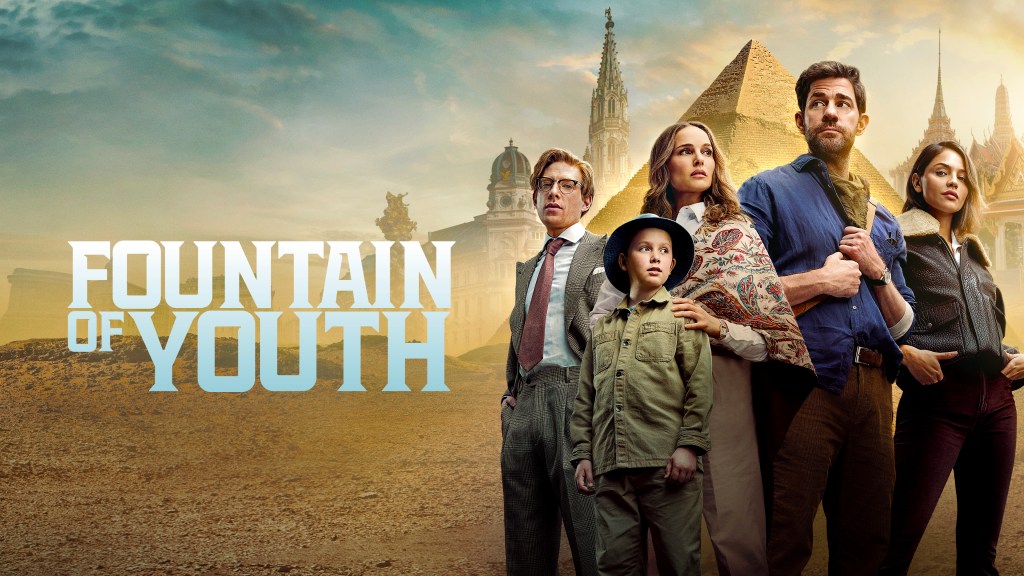
Guy Ritchie, the master of stylish action and witty banter, takes a delightful detour into family-friendly adventure with his latest film, The Fountain of Youth. And what a detour it is! Starring the incredibly charismatic sibling duo of Charlotte and Luke, the film manages to feel both comfortingly familiar and vibrantly fresh, evoking the golden age of adventure cinema while carving out its own distinct identity. The story follows the estranged siblings, Luke (played with charming roguishness by John Krasinski) and Charlotte Purdue (brought to life by the brilliant Natalie Portman), who are brought back together under unusual circumstances. Luke, a daring treasure hunter, is on the trail of the legendary Fountain of Youth, a quest he inherited from their late adventurer father. He’s a bit of a maverick, often skirting the law in his pursuit of ancient artifacts, which puts a strain on his relationship with his sister. Charlotte, on the other hand, has tried to leave the adventuring life behind, settling into a more conventional role as a museum curator in London. However, when Luke’s latest escapade involves stealing a priceless Rembrandt painting that Charlotte happens to be curating, their paths inevitably collide. Their globetrotting journey is fueled by the dying billionaire Owen Carver (a wonderfully complex performance by Domhnall Gleeson), who funds their expedition in the desperate hope of finding the Fountain and gaining immortality. As they decipher cryptic clues hidden within famous Renaissance artworks and historical texts, their quest leads them through perilous locales, from the depths of the sunken Lusitania to the majestic Great Pyramid of Giza. Along the way, they must contend with ancient guardians, a mysterious organization known as the “Protectors of the Path” who aim to keep the Fountain’s secrets hidden, personified by the enigmatic Esme (played with captivating intensity by Eiza González). They are also pursued by an intrepid Interpol agent, Inspector Jamal Abbas (Arian Moayed), hot on their heels. From the moment the quest begins, it’s clear Ritchie has taken a page from the beloved classics of the genre. The film is brimming with a sense of wonder and daring that immediately brings to mind the thrilling escapades of Indiana Jones. The ingenious traps, the race against time, and the satisfying unraveling of ancient mysteries all feel directly inspired by the archaeological daring-do that made Indy a household name. Similarly, the fantastical elements and the grand scale of the puzzles harken back to the pulpy, exhilarating fun of The Mummy. There’s a genuine sense of discovery and a tangible threat that keeps the audience on the edge of their seats, all while maintaining a remarkably light and enjoyable tone. What truly sets The Fountain of Youth apart, however, is its unwavering focus on the sibling relationship between Charlotte and Luke. Their bickering, their unwavering loyalty, and their genuine affection for one another form the emotional core of the film. It’s a joy to watch them navigate perilous situations, relying on each other’s strengths and overcoming their weaknesses. This emphasis on family makes the film incredibly accessible and enjoyable for all ages, something that can be rare in big-budget adventure flicks. Ritchie wisely avoids excessive violence or overly complex plotlines, ensuring that younger viewers are just as captivated as their parents. Visually, the film is a feast for the eyes, with stunning locations and imaginative set pieces that showcase Ritchie’s signature flair for dynamic cinematography. The action sequences are expertly choreographed, delivering thrills without ever feeling overwhelming. And as expected from a Guy Ritchie film, the dialogue crackles with his distinctive wit, providing numerous laugh-out-loud moments that lighten the tension. The Fountain of Youth is more than just a nostalgic trip; it’s a vibrant, heartwarming, and genuinely exciting adventure that proves you can have grand scale and thrilling action without sacrificing a family-friendly message. It’s a movie that will undoubtedly entertain audiences of all ages and might just inspire a new generation of adventurers. I personally had a fantastic time watching this with my parents, and it truly is a fun movie to watch with family. Highly recommended for anyone looking for a dose of pure, unadulterated cinematic fun.
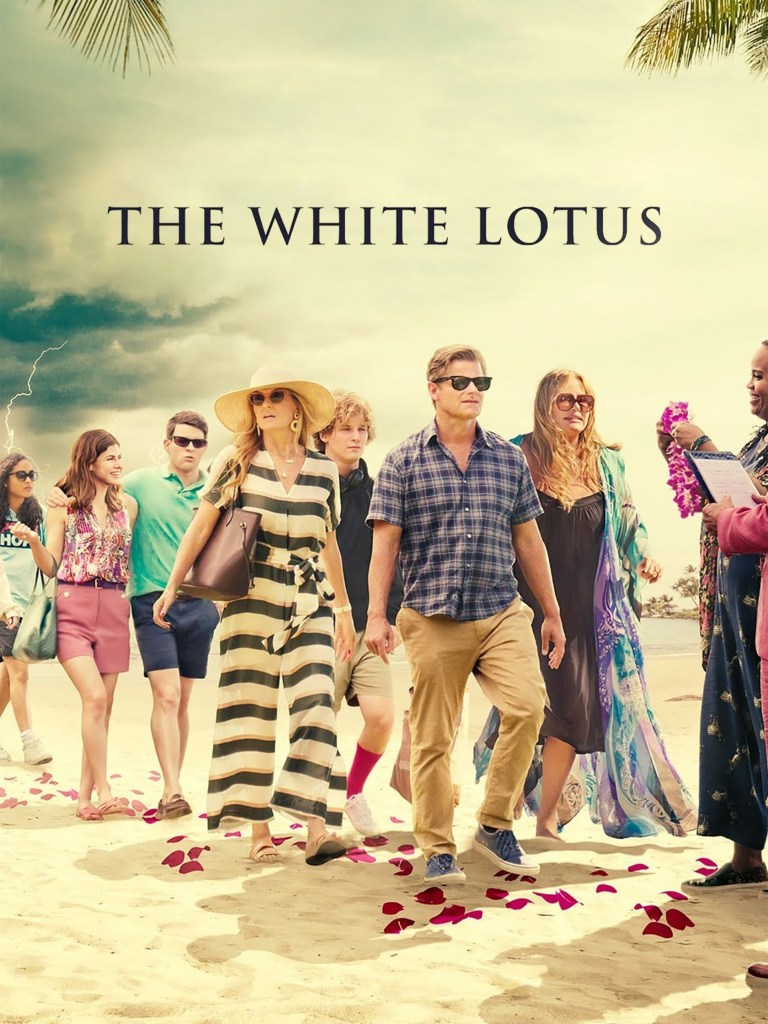
The White Lotus Season 3 transports us to the lush, spiritual, and sometimes unsettling landscapes of Thailand, once again proving Mike White’s unparalleled ability to craft a compelling social satire. This season, the luxurious resort serves as a crucible where a new set of privileged guests grapple with their inner demons, seeking enlightenment, connection, or perhaps just a deeper understanding of their own complex desires, all while their lives become wonderfully and often tragically interwoven.
From the outset, the season subtly hints at a quest for something beyond the superficial. While the signature dark humor and biting critiques of wealth and privilege remain, there’s a palpable undercurrent of characters striving for a more profound experience, whether through spiritual retreats, romantic entanglements, or confronting long-buried truths. Each character’s journey feels like a meticulously observed case study in self-discovery, or rather, the often-messy path towards it.
The narrative arcs are a true highlight, unfolding with a deliberate pace that allows for deep character exploration. We follow individuals who arrive with preconceived notions, burdened by expectations, or simply lost in their own lives. As the episodes progress, their carefully constructed facades begin to crumble, revealing vulnerabilities, hidden desires, and the often-painful realities they’ve tried to outrun. The beauty lies in how these individual quests for meaning intersect and influence one another. A seemingly innocent conversation can spark a profound realization, a casual encounter can lead to a life-altering decision, and the ripple effects of one person’s actions are felt across the entire ensemble. The writing masterfully weaves these disparate threads into a rich tapestry, showcasing how interconnected human lives truly are, even in the most isolated of paradises. The characters are not merely observed; they are deeply followed, their internal struggles and external interactions meticulously charted, making their eventual transformations (or lack thereof) all the more impactful.
Among the diverse cast, several main characters stand out, each embarking on their own distinct, yet interconnected, journey towards (or away from) enlightenment.
Natasha Rothwell returns as Belinda Lindsey, the spa manager from Season 1, now on a work exchange in Thailand, seeking to rekindle her dreams of a wellness business after her previous disappointments. Her journey explores themes of ambition, resilience, and the challenges of navigating the world of the ultra-rich.
Walton Goggins portrays Rick Hatchett, a rugged and embittered man traveling with his much younger girlfriend, Chelsea. His arc delves into midlife crises, societal expectations, and the search for meaning when past achievements no longer suffice.
Aimee Lou Wood plays Chelsea, Rick’s free-spirited companion. Her character explores themes of youth, dependency, and the complexities of relationships with significant age gaps, as she navigates her own desires amidst Rick’s turmoil.
Michelle Monaghan is Jaclyn Lemon, a successful television actress. Her storyline, alongside her childhood friends Laurie and Kate, examines the pressures of fame, the facade of perfection, and the often-strained dynamics of long-standing female friendships.
Carrie Coon as Laurie Duffy, a corporate lawyer, and Leslie Bibb as Kate Bohr, a cheerful socialite, complete this trio of friends. Their interactions highlight different approaches to life’s challenges, from career anxieties to marital woes, all while seeking a renewed sense of purpose.
Jason Isaacs as Timothy Ratliff and Parker Posey as Victoria Ratliff lead a wealthy family on vacation with their children. Their narrative explores generational wealth, family dynamics, and the pursuit of status, often clashing with the more spiritual undertones of their surroundings.
Their children, Piper Ratliff (Sarah Catherine Hook), Saxon Ratliff (Patrick Schwarzenegger), and Lochlan Ratliff (Sam Nivola), each face their own coming-of-age moments or reckonings with privilege and identity, often through encounters with the local culture and staff.
Lalisa Manobal (Lisa from Blackpink) makes her acting debut as Mook, a health mentor at the White Lotus wellness resort. Her character offers a glimpse into the local perspective and the intersection of traditional practices with the demands of luxury tourism.
Through each episode, we delve deeper into their psyches, witnessing their struggles with ego, desire, and the elusive nature of true peace, as the Thai setting subtly mirrors their internal landscapes.
Thailand itself emerges as a character in its own right, an exceptional shooting location that elevates the entire season. The stunning natural beauty, from pristine beaches to ancient temples, provides a visually breathtaking backdrop. More than just aesthetics, the spiritual traditions and cultural nuances of Thailand imbue the season with a unique atmosphere. The vibrant markets, the serene monasteries, and the pervasive sense of a deeper, more ancient wisdom subtly challenge the Western guests’ materialistic pursuits and self-absorption. The contrast between the guests’ inner turmoil and the tranquil, often spiritual, surroundings creates a powerful tension, highlighting their detachment from genuine peace.
In essence, The White Lotus Season 3 is a captivating exploration of the human condition, set against an utterly magnificent canvas. It’s a testament to brilliant storytelling, where every character’s journey, whether towards genuine enlightenment or deeper delusion, contributes to a wonderfully interwoven and unforgettable narrative.
Stepping into the world of the live-action Lilo & Stitch felt less like watching a new movie and more like a warm, comforting hug from my past. From the moment the familiar strains of Hawaiian music began, a wave of pure nostalgia washed over me, transporting me straight back to the carefree days of my childhood, curled up in front of the TV, utterly captivated by the original animated classic.
This adaptation truly understands the magic that made the 2002 film so beloved. It’s wonderful to see how faithfully it captures the spirit of Lilo and Stitch’s unique bond, the quirky charm of their Hawaiian home, and the profound message of ‘ohana. The casting feels spot-on, with the young actors embodying the innocence of Lilo and the mischievous yet endearing nature of Stitch with remarkable authenticity. Seeing these characters, who were such a significant part of my formative years, brought to life in a new way is incredibly moving.
The film beautifully balances the playful antics of Experiment 626 with the genuine emotional depth of Lilo’s journey to find belonging. Every scene felt like reminiscing, from Stitch’s chaotic introduction to the tender moments of their growing friendship. The visual effects for Stitch are impressive, making him feel like a tangible, adorable, and sometimes destructive, part of the family.
A significant part of the film’s charm comes from its cast. Newcomer Maia Kealoha shines as Lilo Pelekai, capturing the spirited and imaginative nature of the young Hawaiian girl. Sydney Agudong takes on the role of Nani Pelekai, Lilo’s older sister and guardian, bringing a sense of strength and palpable emotion to the character. Reprising his iconic role, Chris Sanders returns to voice Stitch, ensuring that the mischievous yet lovable alien retains his familiar charm. The ensemble is further bolstered by familiar faces such as Zach Galifianakis as the eccentric Dr. Jumba Jookiba, Billy Magnussen as the quirky Agent Pleakley, and Courtney B. Vance as the stoic Cobra Bubbles. Original cast members like Tia Carrere (who voiced Nani in the animated film) and Amy Hill also make appearances in new roles, adding another layer of nostalgic delight for long-time fans.
For anyone who grew up with Lilo, Stitch, Nani, and Jumba, this live-action rendition is more than just a movie; it’s an experience that taps directly into the wellspring of childhood memories. It reminds you of the simple joys, the importance of family (both blood and chosen), and the idea that even the most unusual creatures can find a place to call home. It’s a truly wonderful and heartwarming tribute that left me with a lump in my throat and a smile on my face, feeling like a kid again.
The internet’s verdict on the Lilo & Stitch live-action movie has been somewhat mixed, yet generally leans towards a positive reception, especially when compared to some of Disney’s other recent live-action remakes. Many critics and viewers praise its ability to capture the heart and themes of the original, particularly the emphasis on ‘ohana and the emotional bond between Lilo and Nani. The film is often lauded for its faithfulness to the source material and for striking a balance between nostalgia and fresh elements. However, some criticisms have emerged, with a notable point being that Stitch’s role and emotional arc might feel somewhat sidelined in favor of focusing more on the human family drama. While some find the visual effects for Stitch impressive, others feel that certain comedic aspects or the overall “anarchy” of the original might be toned down. Despite these points of contention, the general consensus suggests that Lilo & Stitch is a pleasant, heartfelt, and largely successful adaptation that resonates with audiences, particularly those who cherish the animated classic.
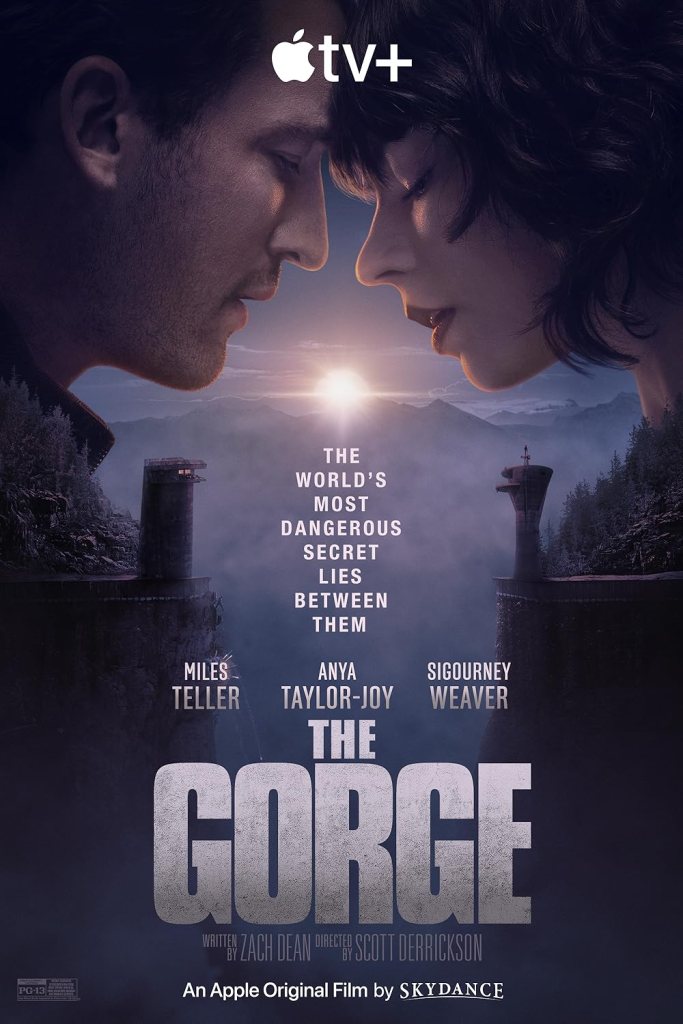
Scott Derrickson’s latest film, “The Gorge,” released on Apple TV+ on February 14, 2025, is a curious and ambitious genre mash-up that blends sci-fi, horror, action, and romance into a unique cinematic experience. Starring Miles Teller and Anya Taylor-Joy as two highly-trained operatives guarding a mysterious abyss, the film has garnered a mixed yet often positive reception, particularly for its strong lead performances and its surprising exploration of character psyche and connection amidst a world of lurking evil.
The premise is intriguing: Levi (Miles Teller) and Drasa (Anya Taylor-Joy) are assigned to solitary guard towers on opposite sides of a vast, highly classified gorge, tasked with protecting the world from a mysterious evil within. Forbidden from direct communication, their year-long assignment becomes a test of isolation, duty, and an unexpected burgeoning connection.
The Psyche of Isolation and Connection
“The Gorge” delves into the psychological impact of isolation and the profound human need for connection. Levi, a battle-hardened former U.S. Marine, carries emotional scars from his past, hinted at through his stoic demeanor. Drasa, a vibrant and skilled sniper from Eastern Europe, contrasts his quiet intensity. Despite the physical distance and strict rules, their tentative interactions across the gorge – initially through binoculars and later through shared moments of vulnerability – become the film’s beating heart. This slow-burn development of their relationship is frequently cited as the film’s most compelling aspect, building a believable and endearing romance that defies the high-stakes, monstrous backdrop.
Reviewers note that the film excels at showing, rather than just telling, the characters’ inner lives. Their shared isolation and the constant threat from the “Hollow Men” (creatures emerging from the gorge) force them to confront their deepest fears and desires for companionship. The film subtly explores themes of loneliness, duty, and the human capacity to form bonds even in the most extreme circumstances. The chemistry between Teller and Taylor-Joy is a consistent highlight, their performances lending depth to characters who, on paper, might seem thinly sketched. Their ability to convey emotion and build a relationship with minimal dialogue is a testament to their acting prowess.
Genre Blending and Visuals
Derrickson, known for his work in horror and supernatural thrillers (“Sinister,” “The Black Phone”), infuses “The Gorge” with a palpable sense of dread and mystery. The gorge itself is depicted as a visually stunning yet ominous entity, with atmospheric cinematography by Dan Laustsen (known for his work with Guillermo del Toro). The creature designs for the “Hollow Men” are described as “evocative & creepy,” adding a genuine horror element to the proceedings. The action sequences are well-staged and visually engaging, benefiting from a propulsive score by Trent Reznor and Atticus Ross.
However, the film’s ambitious genre-blending is also a source of some criticism. Some reviewers felt the transitions between romance, sci-fi, and action were not always smooth, leading to a “tonally uneven” experience. The narrative, while intriguing, is occasionally described as “implausible” or “preposterous,” with some plot holes that stretch credibility. The shift from a character-driven mystery in the first half to a more action-heavy second half was noted by some as a point where the film loses some of its initial intrigue.
Conclusion: A Flawed Yet Engaging Experience
“The Gorge” is not a perfect film, and its ambitious scope occasionally leads to narrative inconsistencies. However, it stands out for its earnest exploration of human connection in extraordinary circumstances. Miles Teller and Anya Taylor-Joy deliver strong performances, creating a believable and engaging central relationship that anchors the film. For audiences willing to embrace its unique blend of genres and overlook some narrative shortcuts, “The Gorge” offers a thrilling, atmospheric, and surprisingly heartfelt cinematic experience that delves into the deeper psychological needs of its characters. It’s a testament to the power of human connection, even at the edge of an abyss.
You know, sometimes life feels less like a grand narrative with a clear plot and more like a collection of incredibly random, interconnected haikus. You’re just just chugging along, doing your thing, and then bam – a perfectly timed gust of wind catches your hair just right, or the barista draws a tiny, perfect heart in your latte foam. These aren’t big, dramatic moments, but they’re the ones that often stick with you, aren’t they? They’re the whispered secrets of the universe, the little winks that say, “Hey, pay attention, there’s beauty even here.”
I was thinking about this the other day while trying to untangle a particularly stubborn knot in my headphone cord (a universal struggle, I’m convinced). It was frustrating, sure, but as I finally worked it free, there was this tiny, disproportionate surge of triumph. And then it hit me: life is just one giant knot of unexpected things. Some are messy and annoying, some you have to really work at, and some just magically loosen up when you least expect it. We spend so much time planning, projecting, striving for the “next big thing.” And while goals are great, there’s a quiet magic in simply existing within the current moment, acknowledging its oddities and small victories. It’s in the way the sunlight hits the dust motes dancing in the air, or the comfort of a worn-out t-shirt, or the sudden, uncontrollable giggle fit with a friend over something utterly silly.
Maybe the secret to navigating the beautiful randomness of it all isn’t to fight the knots, but to appreciate the process of untangling them. To find the humor in the tangled mess, the satisfaction in the small victory, and the quiet poetry in the everyday. Because honestly, those little moments are what stitch the fabric of our lives together.
The Grand Illusion of Control
We’re conditioned, aren’t we, to believe in the linear progression of life. Go to school, get a job, climb the ladder, buy a house, retire. There’s a certain comfort in that narrative, a feeling of control. But then you wake up one Tuesday, and the universe decides to throw a curveball: a flat tire on the way to an important meeting, a sudden downpour on your perfectly planned picnic, or an unexpected email that shifts your entire day’s priorities. These aren’t failures of planning; they’re just life doing its messy, beautiful thing.
I used to get so stressed by these deviations. My carefully constructed mental schedule would crumble, and I’d feel a surge of frustration. But over time, I’ve started to see these interruptions not as obstacles, but as invitations to flexibility. The flat tire becomes an opportunity to listen to a podcast you’ve been meaning to catch up on. The downpour transforms the picnic into a cozy indoor board game marathon. The unexpected email? A chance to reprioritize and perhaps even discover a more efficient way of working.
It’s about shifting perspective, really. It’s about understanding that while we can steer the ship, we can’t control every wave. And sometimes, the most scenic detours lead to the most memorable destinations.
The Echoes of the Past, The Whispers of the Future
Another fascinating aspect of life’s randomness is how seemingly insignificant moments from our past can suddenly echo in the present. You hear a particular song, and suddenly you’re transported back to a summer day from your childhood, the smell of freshly cut grass, the feeling of endless possibility. Or you meet someone new, and a seemingly throwaway comment they make sparks a memory of a conversation you had years ago, revealing a new layer of understanding.
These random connections across time are like little breadcrumbs, showing us how intricately woven our experiences are. They remind us that nothing is truly lost, and every moment, no matter how fleeting, contributes to the tapestry of who we are. It’s a comforting thought, isn’t it? That even the most forgotten instances hold a place in our personal history, waiting for the right cue to reappear and offer a new perspective.
And then there’s the future, that vast, unknowable expanse. We make plans, we set intentions, and we dream. But so much of it remains delightfully, terrifyingly uncertain. That’s where the thrill lies, I think. The thrill of the unknown, the potential for unexpected blessings, the sudden twists and turns that no one could have predicted. It’s the constant possibility of serendipity, of stumbling upon something truly wonderful when you least expect it.
Embracing the “What Ifs” (Without Drowning in Them)
The randomness of life also invites us to ponder the “what ifs.” What if I had taken that other job? What if I hadn’t missed that train? While it’s easy to get lost in a spiral of regret or alternate realities, there’s also a creative exercise in acknowledging these branching paths. It reminds us of the sheer volume of choices we make every day, and how each small decision can subtly shift our trajectory.
But the key, I’ve found, is to acknowledge these “what ifs” without letting them overshadow the beauty of the “what is.” Our current reality, with all its quirks and imperfections, is the sum of every choice, every random encounter, every happy accident. And within that “what is,” there’s so much to appreciate. The resilient human spirit, the capacity for joy even in hardship, the simple comfort of a shared meal or a quiet evening.
Finding Your Own Haikus
So, how do we lean into this beautiful randomness? How do we find our own “haikus” in the everyday?
Practice presence: Put down the phone, look up, listen. Notice the small details: the pattern of light on the wall, the sound of birdsong, the texture of your coffee mug. Embrace flexibility: When plans go awry, take a deep breath. Ask yourself, “What’s the unexpected opportunity here?” Cultivate curiosity: Ask questions, explore new ideas, try new things, even small ones. A different route to work, a new recipe, a conversation with a stranger. Document the small joys: Keep a gratitude journal, take photos of seemingly insignificant moments, or simply make a mental note of things that make you smile.
Life isn’t a straight line. It’s a glorious, messy, unpredictable dance. And the more we learn to sway with its rhythm, to appreciate the unexpected steps and the occasional missteps, the richer our experience becomes. It’s a journey filled with ordinary moments that, upon closer inspection, reveal themselves to be extraordinary.
What’s a small, random moment that brought you unexpected joy lately? Share your own “haiku” of the everyday!
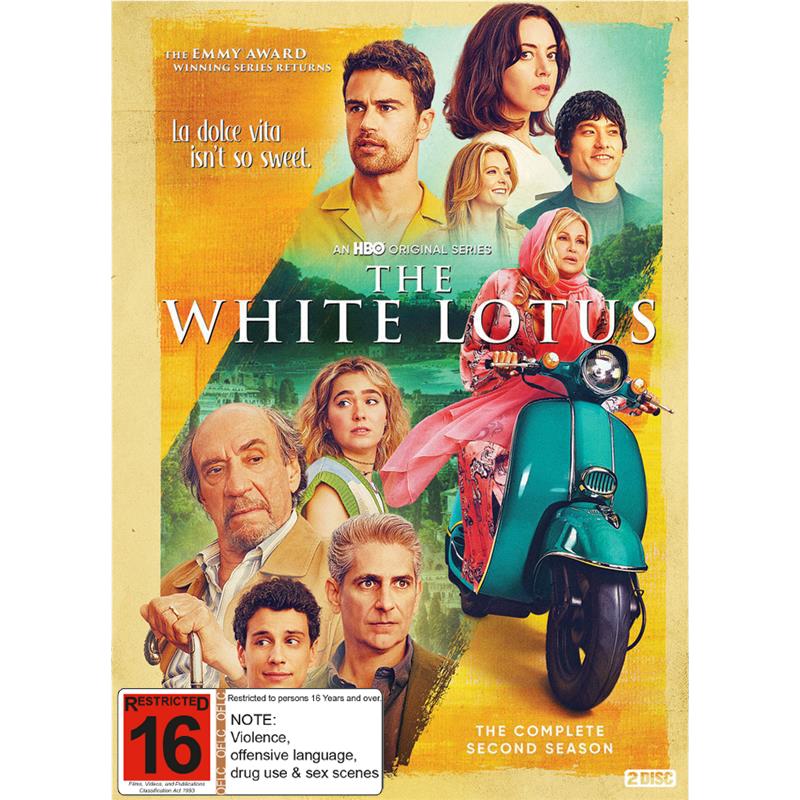
Following the immense success of its debut season, “The White Lotus” returned in 2022, transporting its unique brand of satirical drama from the Hawaiian shores to the sun-drenched, ancient landscapes of Sicily, Italy. Creator Mike White once again delivers a compelling and often uncomfortable exploration of wealth, privilege, and the intricate, often messy, dynamics of human relationships, this time with a heightened focus on themes of sex, desire, and infidelity.
Premise: Season 2 shifts its gaze to a new group of affluent travelers and the local staff at another luxurious White Lotus resort, this time nestled on the picturesque coast of Sicily. As with the first season, the narrative begins with the ominous discovery of multiple bodies, setting a suspenseful tone as viewers are left to unravel the complex web of interactions that lead to the tragic outcome. The week-long stay becomes a crucible for various intertwined relationships, exposing vulnerabilities, desires, and the often-destructive pursuit of pleasure.
Key Themes: While retaining the sharp social commentary of its predecessor, Season 2 delves deeper into specific thematic territories:
Sex and Desire: This season explicitly explores the multifaceted nature of desire, infidelity, and sexual power dynamics. From casual encounters to long-standing marital tensions, the characters grapple with their own and others’ sexual identities and urges.
Gender Roles and Power: The series examines traditional and modern gender roles, particularly within relationships, and how power is wielded, challenged, and exploited between men and women.
Italian Culture vs. American Privilege: The clash between the ancient, passionate, and often patriarchal traditions of Sicilian culture and the more individualistic, often naive, American tourists provides a rich layer of commentary.
Infidelity and Betrayal: Many storylines revolve around trust, suspicion, and the devastating impact of betrayal within romantic and familial bonds.
The Pursuit of Happiness/Meaning: Despite their wealth, many characters are deeply unhappy, seeking fulfillment through external validation, fleeting pleasures, or attempts to escape their inner turmoil.
Characters: The ensemble cast is once again stellar, bringing to life a new set of memorable and flawed individuals:
Tanya McQuoid (Jennifer Coolidge): The sole returning character, Tanya’s journey continues as she navigates her marriage to Greg and seeks new experiences, often with chaotic and hilarious results. Coolidge once again shines, earning another Emmy for her iconic portrayal.
Harper Spiller (Aubrey Plaza) and Ethan Spiller (Will Sharpe): A newly wealthy tech couple who find themselves increasingly uncomfortable and suspicious of their seemingly perfect friends, Cameron and Daphne. Harper’s cynical observations and Ethan’s quiet anxiety are central to the season’s tension.
Cameron Sullivan (Theo James) and Daphne Sullivan (Meghann Fahy): A seemingly idyllic, carefree couple whose relationship is built on unspoken agreements and a dangerous level of complacency. Their dynamic challenges conventional notions of fidelity and happiness.
Lucia (Simona Tabasco) and Mia (Beatrice Grannò): Two local Sicilian women who navigate the world of wealthy tourists, offering services and seeking opportunities, often blurring the lines between ambition and exploitation. Their vibrant energy and street smarts provide a fascinating counterpoint to the guests.
Dominic Di Grasso (Michael Imperioli), Bert Di Grasso (F. Murray Abraham), and Albie Di Grasso (Adam DiMarco): Three generations of Italian-American men on a heritage trip, each grappling with their own issues of masculinity, desire, and family legacy.
Performances: The acting is uniformly excellent. Jennifer Coolidge continues to be a standout, delivering both comedic gold and poignant vulnerability. Aubrey Plaza and Will Sharpe expertly convey their characters’ escalating paranoia and marital discord. Meghann Fahy’s Daphne is a revelation, embodying a complex blend of naiveté and shrewdness. The performances of Simona Tabasco and Beatrice Grannò as Lucia and Mia are captivating, bringing a raw, authentic energy to the series.
Directing and Writing: Mike White’s singular vision remains the driving force. His writing is as sharp and observant as ever, crafting dialogue that is both witty and deeply unsettling. The pacing is deliberate, allowing the psychological tension to build slowly, culminating in a dramatic and fitting climax. The Sicilian setting is breathtakingly captured, with stunning cinematography that highlights both the beauty and the ancient weight of the island. The musical score, with its distinctive Italian flair, perfectly complements the luxurious yet unsettling atmosphere.
Strengths:
Intriguing Mystery: The “who dies?” hook is effective, keeping viewers guessing and invested in the characters’ fates.
Complex Character Studies: Each character is meticulously developed, revealing layers of desire, insecurity, and hypocrisy.
Provocative Themes: The show fearlessly tackles sensitive topics like sex, power, and cultural clashes, sparking important conversations.
Stunning Visuals: The Sicilian backdrop is beautifully filmed, adding to the allure and luxury of the resort.
Exceptional Ensemble Cast: The performances are consistently strong, elevating the already compelling script.
Overall Verdict: “The White Lotus” Season 2 is a triumphant return for the critically acclaimed series. While it maintains the sharp social commentary and dark humor of its predecessor, it carves out its own distinct identity by focusing on the intricate dance of sex, desire, and power. It’s a visually stunning, intellectually stimulating, and emotionally resonant journey that will leave you pondering the complexities of human nature long after the credits roll. Highly recommended for fans of the first season and anyone looking for intelligent, character-driven drama with a captivating mystery.
“The White Lotus” burst onto the scene in 2021 as a sharp, satirical, and often uncomfortable examination of wealth, privilege, and the complex dynamics that unfold when a group of affluent guests descends upon an exclusive Hawaiian resort. Created, written, and directed by Mike White, the first season masterfully blends dark comedy with biting social commentary, leaving viewers both entertained and profoundly reflective.
Premise: The series follows various guests and staff members over a week at the luxurious White Lotus resort in Hawaii. From the outset, we know someone ends up dead, but the journey to uncover who and why is a fascinating exploration of human nature, societal structures, and the often-ugly truths hidden beneath a veneer of paradise.
Key Themes: Season 1 is rich with thematic depth. It primarily dissects:
Privilege and Class: The stark contrast between the entitled guests and the subservient staff is a central focus. The show brilliantly exposes how wealth can blind individuals to their own impact and the struggles of others.
Colonialism and Exploitation: The Hawaiian setting is not merely a backdrop; it’s an active participant in the narrative. The series subtly, and sometimes not so subtly, critiques the historical and ongoing exploitation of indigenous lands and cultures by Western tourism.
Dysfunctional Relationships: From the newlywed couple grappling with power imbalances to the seemingly perfect family unit harboring deep-seated resentments, the show meticulously peels back the layers of various relationships, revealing their fragility and toxicity.
Existential Dread and Identity: Many characters are on a quest for meaning or struggling with their identity, often finding that even in paradise, their inner turmoil persists.
Hypocrisy and Self-Deception: The characters often present a curated version of themselves, but their actions and internal monologues expose their profound hypocrisy and self-deception.
Characters: The ensemble cast is phenomenal, each character a meticulously crafted archetype, yet with enough nuance to feel real. Standouts include:
Tanya McQuoid (Jennifer Coolidge): A wealthy, emotionally vulnerable woman seeking solace and spiritual healing after her mother’s death. Coolidge delivers a career-defining performance, oscillating between heartbreaking fragility and comedic absurdity.
Shane Patton (Jake Lacy): The quintessential entitled rich kid on his honeymoon, whose incessant complaints and inability to empathize drive much of the season’s conflict.
Armond (Murray Bartlett): The resort manager, whose increasingly erratic behavior under pressure serves as a tragic mirror to the guests’ demands. His performance is a masterclass in controlled chaos.
Olivia and Paula (Sydney Sweeney and Brittany O’Grady): Two college friends whose intellectual superiority masks their own forms of privilege and manipulation. Their dynamic provides sharp commentary on performative wokeness.
Performances: The acting across the board is exceptional. Jennifer Coolidge rightly earned an Emmy for her portrayal, bringing both humor and pathos to Tanya. Murray Bartlett’s descent into madness as Armond is captivating and heartbreaking. The younger cast members, particularly Sydney Sweeney and Brittany O’Grady, deliver nuanced performances that capture the complexities of their characters.
Directing and Writing: Mike White’s genius lies in his ability to craft dialogue that is simultaneously witty, uncomfortable, and deeply revealing. His direction is precise, using lingering shots and subtle cues to build tension and expose character. The pacing is deliberate, allowing the slow burn of psychological drama to unfold organically. The Hawaiian setting is beautifully shot, creating a stark contrast between the idyllic visuals and the unsettling human drama.
Strengths:
Sharp Satire: The show’s critique of wealth and privilege is incisive and thought-provoking without being preachy.
Compelling Characters: Even the most unlikable characters are fascinating to watch, thanks to brilliant writing and performances.
Tense Atmosphere: The underlying tension and mystery keep viewers engaged, even as the narrative explores uncomfortable truths.
Beautiful Cinematography: The stunning Hawaiian backdrop provides a visually rich experience.
Memorable Soundtrack: The score perfectly complements the show’s blend of tropical allure and underlying unease.
Overall Verdict: “The White Lotus” Season 1 is a masterful piece of television that successfully blends dark humor, social satire, and character study. It’s a show that will make you laugh, squirm, and ultimately reflect on the uncomfortable realities of class, power, and human behavior. It’s not always an easy watch, but it’s an incredibly rewarding one, cementing its place as one of the standout series of recent years. Highly recommended for those who appreciate intelligent, character-driven drama with a satirical edge.