We all have that one “luxury” we swear we couldn’t live without. For some, it might be a daily barista-made coffee, for others, a top-tier mattress. But for me, in this increasingly interconnected world, that one non-negotiable luxury is my flagship smartphone.
Now, before you picture me sipping champagne on a private jet (though that sounds nice!), let’s clarify. It’s a luxury precisely because, yes, I could get by with a cheaper, more basic smartphone. But I choose not to. And in today’s digital landscape, that choice feels less like an indulgence and more like a necessity.
Think about it. We live in an “ever-connected world.” Our phones aren’t just for calls anymore; they are our primary interface for navigating nearly every aspect of our lives. From managing work emails to banking, from ordering groceries to staying in touch with loved ones across continents, our smartphones are the hub.
And in that hub, quality matters immensely.
One of the biggest reasons my flagship phone holds such a vital place in my life is its photo capability. Our lives are a collection of moments, big and small, fleeting and profound. The ability to instantly capture those memories with stunning clarity and detail is invaluable.
From candid family moments to breathtaking landscapes on a spontaneous road trip, my flagship phone’s camera ensures those memories are preserved beautifully, ready to be revisited and shared. It’s more than just taking a picture; it’s about holding onto a piece of time.
Beyond the lens, the interface by which we use our phone is critical. A smooth, intuitive, and powerful operating system isn’t just about convenience; it’s about efficiency and reducing friction in our daily digital interactions. A flagship phone offers a seamless experience that allows me to navigate apps, multi-task, and access information without frustrating lags or crashes. In an age where every second counts, a responsive and well-designed interface empowers me to stay productive and engaged, rather than constantly battling my device.
Some might argue it’s just a phone, but for me, it’s the gateway to so much more. It’s my portable office, my personal photographer, my entertainment hub, and my connection to the people and information that matter most. It’s the tool that allows me to fully participate in the digital age, rather than just observing it from the sidelines.
So, while I appreciate the value in frugality, for me, investing in a flagship smartphone isn’t a frivolous expense. It’s a strategic decision that enhances my daily life, empowers my connections, and ensures I’m always ready to capture the next unforgettable moment. It’s the one luxury I truly can’t live without.
What’s your indispensable luxury? Let me know in the comments below!
As an occassional reader, I get asked about books that have left a lasting impression on me. It’s a tough question because so many books offer unique insights. However, three stand out for their profound impact on my journey toward personal growth and effectiveness: The Power of Habit by Charles Duhigg, The Alchemist by Paulo Coelho, and The 7 Habits of Highly Effective Teens by Sean Covey.
These books collectively instilled in me a powerful message: always strive to be better. They provided practical frameworks and inspiring narratives that pushed me to examine my actions, find my purpose, and ultimately become more effective in everything I do.
The Power of Habit by Charles Duhigg: Unlocking the Science of Change This book was a game-changer for me.
Duhigg masterfully breaks down the science behind habit formation, revealing how our routines, both good and bad, shape our lives. What I found most compelling was his explanation of the “habit loop”—cue, routine, and reward. Understanding this loop empowered me to actively identify my working cues and strategically leverage them to cultivate positive habits.
Duhigg presents compelling case studies, from the success of Procter & Gamble’s Febreze to the civil rights movement, to illustrate how habits drive individual and organizational change. He doesn’t just tell you what to do; he explains why it works, offering actionable insights on how to interrupt bad habits and build new, beneficial ones. For anyone looking to make lasting changes in their life, The Power of Habit is an indispensable guide to understanding and harnessing the incredible power of habits.
The Alchemist by Paulo Coelho: A Journey of Purpose and Destiny
The Alchemist is more than just a story; it’s a fable that resonates deeply with anyone seeking meaning and direction. The narrative follows Santiago, a shepherd boy who embarks on a journey to find a hidden treasure, only to discover his true destiny along the way. What I love most about this book is its central message: if you truly desire something, the universe will conspire to help you achieve it.
This book was a profound reminder that our dreams and aspirations are not just fleeting thoughts, but often a calling towards our “Personal Legend.” It encourages us to embrace adventure, overcome obstacles, and listen to our hearts. The Alchemist inspired me to pursue my goals with conviction, trusting that even setbacks are part of the grand design leading me closer to my purpose.
The 7 Habits of Highly Effective Teens by Sean Covey: A Teenager’s Blueprint for Success
I read The 7 Habits of Highly Effective Teens during my formative years, and it has been incredibly influential in shaping my approach to life. Building upon his father Stephen Covey’s timeless principles, Sean Covey brilliantly translates the 7 Habits into relatable language for teenagers, offering a clear roadmap for personal responsibility and growth. The seven habits are:
Be Proactive: Take responsibility for your own life.
Begin With the End in Mind: Define your mission and goals in life.
Put First Things First: Prioritize and do the most important things first.
Think Win-Win: Have an “everyone can win” attitude.
Seek First to Understand, Then to Be Understood: Listen to people sincerely.
Synergize: Work together to achieve more.
Sharpen the Saw: Renew yourself regularly in all four key areas of your life (body, brain, heart, soul).
These habits provided a powerful framework for navigating the challenges of adolescence and laid a strong foundation for my personal development. They taught me the importance of setting goals, managing my time, building strong relationships, and continuously improving myself. Even now, years later, these principles continue to guide my decisions and actions.
These three books, each in its own unique way, have made a lasting impact on me. They didn’t just entertain; they educated, inspired, and motivated me to become a more effective, purposeful, and continually striving individual. If you’re looking for books that offer practical advice and profound wisdom, I highly recommend adding these to your reading list.
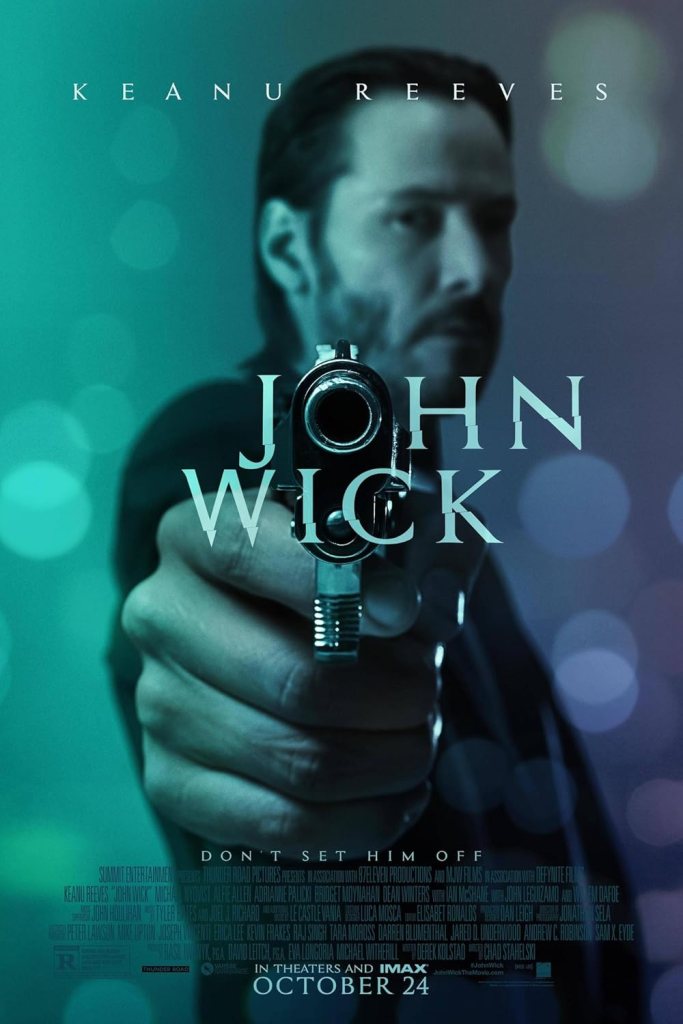
Before it became a global phenomenon of ever-escalating action, “John Wick” arrived in 2014 like a precision-guided missile, a stylish and surprisingly emotionally resonant entry into the action genre. While renowned for its groundbreaking fight choreography, the film’s true power lies in its ability to ground the spectacular violence in a deeply human, albeit tragic, story.
At its core, “John Wick” is an emotionally captivating tale of loss and the desperate fight to reclaim a semblance of peace. The narrative hinges on the devastating personal tragedy of John Wick, a retired hitman, whose life has been shattered by the loss of his beloved wife, Helen, played in a brief but impactful role by Bridget Moynahan. Her thoughtful final gift to him – a beagle puppy named Daisy – is a symbol of hope, a tangible piece of the future she envisioned for him. When this last vestige of his happiness is cruelly taken from him by petty thugs, John’s subsequent rampage is not merely about a dog; it’s a powerful, almost primal, act of fighting for his lost wife, for the life they built, and for the peace that was stolen. The puppy represents the final thread connecting him to Helen, and its brutal demise severs that last link, unleashing the legendary “Baba Yaga” once more.
The Plot: From Grieving Widower to Unstoppable Assassin
The story begins with John Wick seemingly retired from his notorious past as a hitman, living a quiet life of solitude after Helen’s passing. The arrival of Daisy, a final gesture of love from his wife, brings a glimmer of light into his darkened world. This fragile peace is shattered when a group of Russian thugs, led by Iosef Tarasov (played by Alfie Allen), break into his home, steal his car, and brutally kill Daisy.
Unbeknownst to Iosef, he has just awakened a sleeping giant. His father, Viggo Tarasov (portrayed by the formidable Michael Nyqvist), is the head of the Russian crime syndicate, and he knows exactly who John Wick is – an assassin of unparalleled skill and legendary ruthlessness, a man once so feared he was dubbed the “Baba Yaga” (the boogeyman) for his ability to kill seemingly impossible targets. Viggo’s desperate attempts to contain John’s vengeance, offering bribes and sending hordes of his own men, only further illustrate the terror John inspires.
John’s path of vengeance leads him through the intricate, clandestine world of assassins, a hidden society governed by its own strict rules and codes, centered around the Continental Hotel. Here, he interacts with characters like Winston, the enigmatic manager of the Continental (played by a wonderfully stoic Ian McShane), and Charon, the concierge (played by Lance Reddick), who maintain a neutral ground for assassins. He also crosses paths with Marcus, an old friend and fellow hitman (played by a weary yet principled Willem Dafoe), whose loyalty becomes a critical factor. The narrative is a relentless forward momentum, a series of escalating encounters as John systematically dismantles Viggo’s empire, one bullet and one broken bone at a time.
Action That Redefined the Genre
The action scenes in “John Wick” are nothing short of amazing, often credited with revitalizing the American action film genre. Directors Chad Stahelski and David Leitch (uncredited) brought a refreshing approach, emphasizing wide shots, long takes, and practical effects over shaky-cam and excessive cuts. This “gun-fu” style, a seamless blend of close-quarters combat and firearms proficiency, allows viewers to truly appreciate the incredible choreography and John Wick’s lethal efficiency. Every headshot, every grapple, every reload feels visceral and impactful, creating a ballet of brutality that is both thrilling and strangely beautiful.
Critical Consensus: A Resounding Success
Upon its release, “John Wick” garnered widespread acclaim from critics and audiences alike. The consensus was overwhelmingly positive, praising its stylized action, tight screenplay, and Tom Wick’s captivating performance. Reviewers frequently highlighted its unique visual aesthetic, the innovative “gun-fu” fight choreography, and the surprisingly emotional core that elevated it beyond a typical revenge flick. Many noted that while the plot was deceptively simple, it was executed with such precision and flair that it felt fresh and compelling. The film was celebrated for successfully establishing a rich, self-contained universe with its own mythology and rules, laying the groundwork for the successful franchise it would become. It was seen as a triumphant return for an iconic action star and a benchmark for modern action cinema.
“John Wick” is a masterclass in action filmmaking, proving that a clear emotional drive, combined with exceptional execution, can elevate a genre film to something truly special. It’s a journey of grief, vengeance, and a surprising amount of heart, wrapped in a meticulously choreographed package of pure adrenaline.nt of heart, wrapped in a meticulously choreographed package of pure adrenaline.
My Dream Chocolate Bar: A Symphony of Sweet, Savory, and Surprising! If I close my eyes and imagine the ultimate chocolate bar, it’s not just a confection; it’s an experience, a journey for the taste buds that defies conventional boundaries. Forget your standard milk or dark – my dream chocolate bar is a wild, wonderful fusion of flavors, textures, and even a touch of the unexpected.
Imagine this: The base is a luscious, dark chocolate, perhaps 70% cacao, for that deep, rich bitterness that anchors the symphony. But swirling within this velvety darkness are veins of creamy, dulce de leche white chocolate, adding a sweet, caramelized counterpoint. Now for the inclusions. First, the fruits: plump, sun-dried mission figs, offering a chewy, earthy sweetness, alongside tangy freeze-dried raspberries that burst with bright acidity. Then, the candies: crunchy bits of butter toffee for that irresistible caramel-nutty flavor, and a surprising pop of subtly spicy candied ginger, adding warmth and a delightful zing.
And here’s where it gets truly audacious: a whisper of savory. Picture delicate slivers of candied bacon, providing a smoky, salty crunch that plays off the sweetness in a way that’s utterly addictive. And perhaps, just perhaps, tiny, almost imperceptible dots of smoked sea salt to elevate all the flavors.
But my dream doesn’t stop at the bar itself. This chocolate bar exists within a realm of pure chocolate fantasy. In this dream, there’s a fountain of warm, flowing chocolate, not just one, but several, each offering a different origin or cacao percentage, inviting endless dipping. And surrounding this fountain, an array of dippable delights – fresh fruit, marshmallows, pretzels, and even small, savory pastries.
Chocolate Beyond the Bar: A Culinary Canvas
My dream extends to a world where chocolate isn’t just a dessert ingredient, but a versatile culinary tool, integrated into dishes in astonishing ways across various cuisines. It’s a testament to how chocolate, with its complex flavor profile, can bridge the gap between sweet and savory, adding depth, richness, and unexpected twists.
Let’s explore how chocolate is already making waves in global gastronomy and how it could be further incorporated:
Middle Eastern Delights: The Allure of Dubai Chocolate Dubai chocolate, particularly the viral sensation featuring kadaif and pistachio, is a perfect example of how chocolate is being innovated. It’s not just about the chocolate itself, but the clever combination of textures and flavors.
How it’s made (inspired by viral trends): Imagine a high-quality milk or dark chocolate shell. Inside, a generous layer of pistachio cream – made from finely ground pistachios, a touch of sugar, and sometimes white chocolate or a neutral oil for creaminess. Layered on top of this, or sometimes mixed within, are crispy kadaif (shredded phyllo dough) that has been toasted until golden brown and often lightly sweetened. This creates an incredible textural contrast – the snap of the chocolate, the smooth creaminess of the pistachio, and the delightful crunch of the kadaif. My dream would see variations with different nuts (almond, cashew) or even a hint of rosewater in the pistachio cream.
2. Mexican Mole: A Savory Chocolate Masterpiece Perhaps one of the most famous savory applications of chocolate, mole is a complex and deeply flavorful sauce.
How it’s made: Mole poblano, for instance, is a quintessential Mexican dish. It’s a rich, dark sauce made from a myriad of ingredients including several types of chili peppers (ancho, mulato, pasilla, chipotle), spices (cumin, coriander, cloves, cinnamon), nuts (almonds, peanuts), seeds (sesame, pumpkin), dried fruits (raisins, prunes), and crucially, Mexican chocolate. The chocolate, often bittersweet, provides a critical depth of flavor, balancing the heat from the chilies and adding a unique richness. The ingredients are toasted, ground, blended, and slowly simmered for hours, resulting in a thick, velvety sauce served over poultry or other meats. In my dream, imagine a chocolate mole reduction used as a glaze for roasted vegetables.
3. Italian Gastronomy: Chocolate as an Unexpected Accent While Italy is famous for its sweet chocolate confections like gianduja, there are intriguing savory applications emerging.
How it could be used: Think about a chocolate-infused balsamic glaze drizzled over aged Parmesan cheese and figs, or a dark chocolate powder dusted lightly over a rich venison ragu to deepen its umami notes. Even a subtle hint of bitter chocolate in a hearty beef stew could elevate its complexity.
4. French Cuisine: Elegance and Subtle Integration French culinary traditions often focus on elegance and precision. Chocolate, beyond its use in exquisite desserts, can be subtly incorporated into savory dishes.
How it could be used: Imagine a tiny square of high-quality dark chocolate melting into a pan sauce for duck breast, providing a silky texture and a hint of bittersweetness that complements the richness of the duck. Or a delicate chocolate tuile served alongside a foie gras terrine, offering a surprising textural and flavor contrast.
5. Indian Flavors: Aromatic and Bold Combinations Indian cuisine is known for its bold spices and aromatic profiles. Chocolate could find a home here in unexpected ways.
How it could be used: Picture a chocolate and chili spice rub for lamb chops, where the bitterness of the chocolate enhances the heat and aroma of the spices. Or a small amount of dark chocolate melted into a rich, creamy curry, adding a surprising depth and velvety texture to the sauce.
My dream chocolate bar, and the world it inhabits, is a testament to the endless possibilities of chocolate. It’s a celebration of flavor, texture, and the sheer joy of culinary exploration. From the audacious inclusions in the bar itself to its transformative power in diverse cuisines, chocolate is truly a gift that keeps on giving – a sweet, savory, and wonderfully surprising journey for the senses.
“Mickey 17” is a cinematic experience that defies easy categorization, blending sci-fi spectacle with surprising depth and a darkly comedic take on human nature. At its core, the film presents a protagonist who, despite his seemingly expendable existence, becomes remarkably relatable, embodying a universal struggle against life’s relentless knocks. It’s a thought-provoking and visually striking movie that is definitely worth seeing.
The film centers on Mickey Barnes, portrayed by the versatile Robert Pattinson. Mickey is an “expendable,” a disposable employee on a perilous human expedition to colonize the ice planet Niflheim. Whenever Mickey dies, a new clone, Mickey 17, Mickey 18, and so on, is created with all his memories intact, effectively continuing his consciousness. This premise immediately establishes Mickey’s seemingly insignificant status, yet it’s precisely this expendability that makes him so profoundly relatable. He’s the everyman in an extraordinary situation, constantly facing danger and death, only to be resurrected and sent back into the fray. Mickey symbolizes the human spirit’s resilience: no matter how many times life knocks you down, you have to get back up and keep fighting. His quiet determination, even in the face of his own perceived worthlessness, resonates deeply, making you root for him against all odds.
The absurdity of Mickey’s situation is often mirrored in the film’s portrayal of leadership and power dynamics. Scenes involving Commander Marshall, played by a gruff and often exasperated Mark Ruffalo, and the colony’s chief engineer, played by the brilliant Toni Collette, frequently highlight the bizarre and sometimes illogical decisions made by those in authority. Their interactions, filled with bureaucratic jargon and self-serving pronouncements, serve as a darkly humorous commentary on how politics and leadership can descend into utter absurdity, even when humanity’s survival is at stake. The stark contrast between Mickey’s ground-level struggle and the often detached, self-important machinations of the command structure adds a layer of biting satire to the narrative.
The Plot: A Clone’s Fight for Existence
The story picks up with Mickey 17, the latest iteration of the expendable, navigating the treacherous conditions of Niflheim and the demanding missions assigned by Commander Marshall. His primary role is to undertake the most dangerous tasks, from exploring uncharted, lethal territories to fixing critical infrastructure in hazardous environments. Each death is a reset, but with each new clone, Mickey finds himself questioning his identity and purpose.
A key figure in Mickey’s life is his love interest, Glorious Nifli, played by the talented Naomi Ackie. Glorious is a fellow colonist who shares a complicated and passionate relationship with Mickey. Their love affair provides a vital human connection amidst the bleak and dangerous environment, offering Mickey moments of solace and a deeper reason to fight for his existence. Her understanding and acceptance of his unique situation, despite the inherent strangeness of a new clone appearing after each death, adds an emotional anchor to Mickey’s otherwise isolating journey.
The central conflict arises when Mickey 17, presumed dead after a particularly perilous mission, unexpectedly returns to the colony, only to discover that Mickey 18 has already been activated. This creates a terrifying dilemma: two versions of the same individual, a direct violation of the colony’s strict “no duplicates” rule, which carries the ultimate penalty. Mickey and Mickey 18 must now desperately try to hide their shared existence from the vigilant and unforgiving leadership.
Adding to the complexity is Berto, portrayed by Steven Yeun. Berto is a member of the colony’s crew, often seen in the medical or cloning facility, and appears to have a more direct involvement with the process of Mickey’s “rebirths.” His presence subtly underscores the ethical and practical implications of the expendable program, and his interactions with Mickey provide another lens through which to view the unique challenges faced by the protagonist.
As they navigate this precarious situation, the film delves into the moral and existential questions surrounding cloning, identity, and the value of a single life. Mickey’s struggle to assert his individuality and prove his worth, even when he is technically replaceable, forms the emotional backbone of the plot. The tension mounts as Commander Marshall and his officers, including the pragmatic and sometimes ruthless chief engineer, begin to suspect something is amiss. The film becomes a tense cat-and-mouse game, with Mickey and his clone attempting to outwit the authorities while simultaneously grappling with their own fractured sense of self.
Bong Joon-ho’s Vision: Blending Sci-Fi, Satire, and Humanity
The distinct tone and thematic depth of “Mickey 17” are unmistakably products of director Bong Joon-ho’s masterful hand. Known for his genre-bending and incisive social commentary in films like “Parasite,” “Snowpiercer,” and “Okja,” Bong brings his unique sensibilities to this sci-fi landscape. His direction ensures that even amidst the futuristic setting and existential dread, the film remains firmly rooted in human experience. Bong excels at blending dark humor with biting satire, often using the absurdities of the plot to critique societal structures and the folly of those in power. He crafts a visually immersive world that feels both alien and strangely familiar, pulling viewers into Niflheim’s dangerous environment while never losing sight of the intimate struggles of its characters. His signature touch is evident in the meticulous pacing, the carefully constructed tension, and the way he elicits nuanced performances from his ensemble cast, making even the most outlandish scenarios feel grounded in relatable human emotion.
“Mickey 17” is a compelling and unique film that uses its sci-fi premise to explore deeply human themes. It’s a testament to the power of resilience, a sharp critique of bureaucratic absurdity, and a truly engaging story of one “expendable” man’s fight for his right to exist. Robert Pattinson delivers a nuanced performance that anchors the film, making Mickey’s plight surprisingly resonant. It’s a movie that will stay with you long after the credits roll, prompting reflection on what it truly means to be alive, and to fight for it.
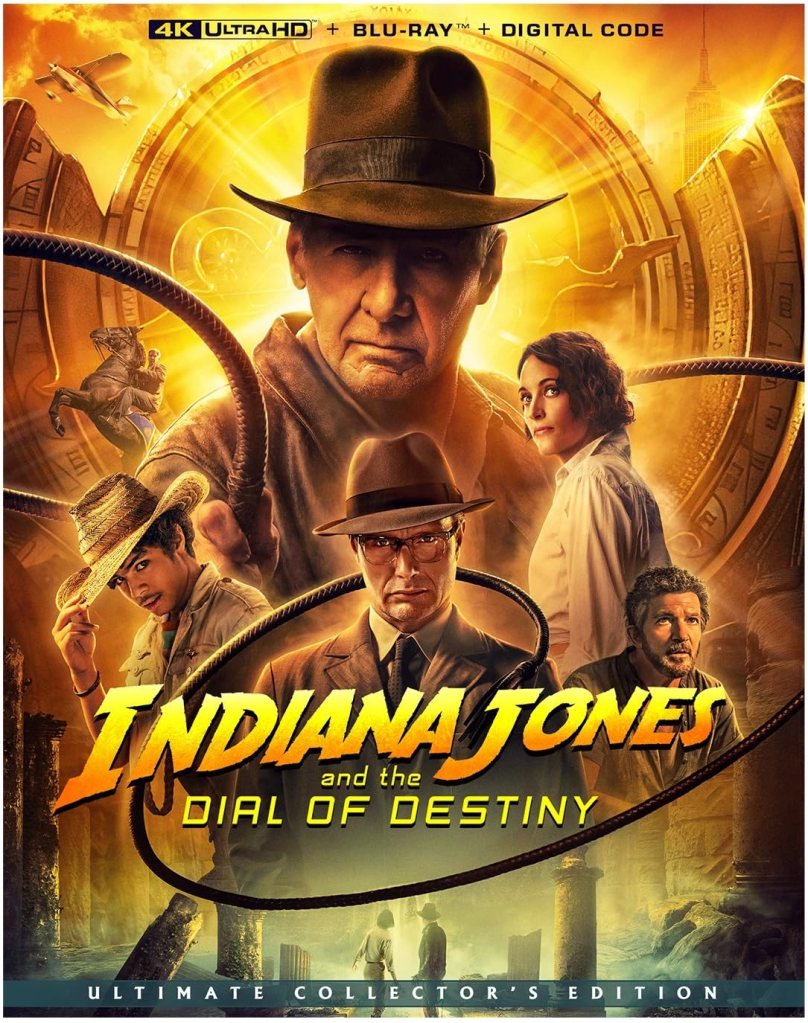
“Indiana Jones and the Dial of Destiny” delivers a poignant and exhilarating capstone to one of cinema’s most beloved franchises, proving that even a seasoned archaeologist can still uncover thrilling adventures and, more importantly, find his way back home. This film, the fifth and final installment, masterfully weaves new narratives with the rich tapestry of its predecessors, offering fans both fresh excitement and deeply satisfying closure.
At the heart of this final quest, of course, is the indomitable Indiana Jones, once again brought to life by the legendary Harrison Ford. Despite the passage of time, Ford still possesses that quintessential Indy charm, wit, and grit. The film wisely embraces his age, allowing it to inform the character’s weariness and reflections on a life lived on the edge, yet never diminishing his capacity for daring feats or quick thinking. Ford’s performance is a testament to his enduring talent, showcasing that “he’s still got it” in every sense of the word, whether he’s narrowly escaping danger or delivering a perfectly timed sardonic remark.
The narrative introduces compelling new characters who seamlessly integrate into Indy’s world. We meet Helena Shaw, played with cunning charm and a touch of mischief by Phoebe Waller-Bridge. Helena is Indy’s goddaughter, a resourceful and morally ambiguous accomplice who often pulls Indy into the very scrapes he tries to avoid. Their dynamic is a highlight, offering both comedic banter and genuine emotional connection. On the antagonist side, we have Dr. Voller, a former Nazi scientist obsessed with the titular Dial of Destiny, chillingly portrayed by Mads Mikkelsen. Mikkelsen’s cold intellect and sinister presence make him a truly formidable foe for Indy, echoing the classic Nazi villains of the earlier films. Other notable additions include Renaldo, a loyal friend of Indy’s played by Antonio Banderas, adding a fleeting but memorable moment of camaraderie.
The Plot: A Race Through Time for a Legendary Artifact
The film’s narrative begins in 1944, with a de-aged Indy (a remarkably executed visual effect) and his associate Basil Shaw (Toby Jones) trying to recover ancient artifacts from the Nazis during World War II. It’s here they first encounter a portion of the Antikythera Mechanism, a mythical device created by Archimedes said to be capable of locating fissures in time. Dr. Voller, then a Nazi astrophysicist, is also seeking it.
The story then fast-forwards to 1969, against the backdrop of the Apollo 11 moon landing celebrations, a stark contrast to Indy’s increasingly antiquated life as a retired archaeology professor facing mandatory retirement. His life feels mundane and touched by sorrow, particularly the recent loss of his son, Mutt, and his strained relationship with Marion. It’s at this low point that Helena Shaw reappears, seeking the other half of the Antikythera Mechanism, which Indy and her father, Basil, had previously discovered.
This sparks a global chase, as Voller, now working for NASA under a new identity, is also desperate to reassemble the complete Dial. He believes he can use it to correct what he perceives as mistakes in history, with potentially catastrophic consequences for the present. Indy, initially reluctant, is drawn back into the fray, propelled by his inherent curiosity and a sense of responsibility to prevent Voller from misusing such a powerful artifact. Their pursuit takes them from the bustling streets of New York to the vibrant markets of Tangier, through sunken shipwrecks in the Aegean Sea, and into ancient catacombs. Along the way, they encounter old allies, like the beloved Sallah, portrayed once more by John Rhys-Davies, providing a comforting link to Indy’s past adventures and a surge of nostalgic warmth.
The climax of the film is a true Indiana Jones spectacle, culminating in a daring flight through time itself. As Voller attempts to use the fully reassembled Dial to alter history, Indy, Helena, and Renaldo find themselves thrust into an unexpected journey. This fantastical element, while pushing the boundaries of the franchise’s typical historical realism, feels earned within the context of the Antikythera Mechanism’s legendary properties.
“Dial of Destiny” is a loving homage to the entire Indiana Jones saga. It cleverly ties into the previous films through flashbacks, references, and a thematic return to Indy’s enduring battle against the forces of evil. The MacGuffin itself, the Antikythera Mechanism (or Dial of Destiny), feels perfectly at home within the franchise’s lore, rooted in historical mystery and possessing fantastical properties. These connections make the film feel like a true culmination, honoring what came before while propelling the story forward.
The ending of “Indiana Jones and the Dial of Destiny” is, without a doubt, its most heartfelt and profoundly moving aspect. After a whirlwind of globe-trotting escapades, near-death experiences, and grappling with the very fabric of time, Indy’s ultimate journey is not to discover another lost artifact or defeat a world-threatening villain. Instead, it’s a return to what truly matters: family. The final scenes see him reunited with his estranged wife, Marion Ravenwood, played by the wonderful Karen Allen. Their quiet reconciliation, a simple shared moment of understanding and affection, speaks volumes. It’s a powerful affirmation that after a lifetime of extraordinary adventures and brushes with history, the greatest treasure of all is indeed home, and the comfort of love. This beautiful, understated conclusion provides a deeply satisfying emotional resonance, perfectly capping off the legacy of a hero who finally gets to hang up his fedora and truly go home.
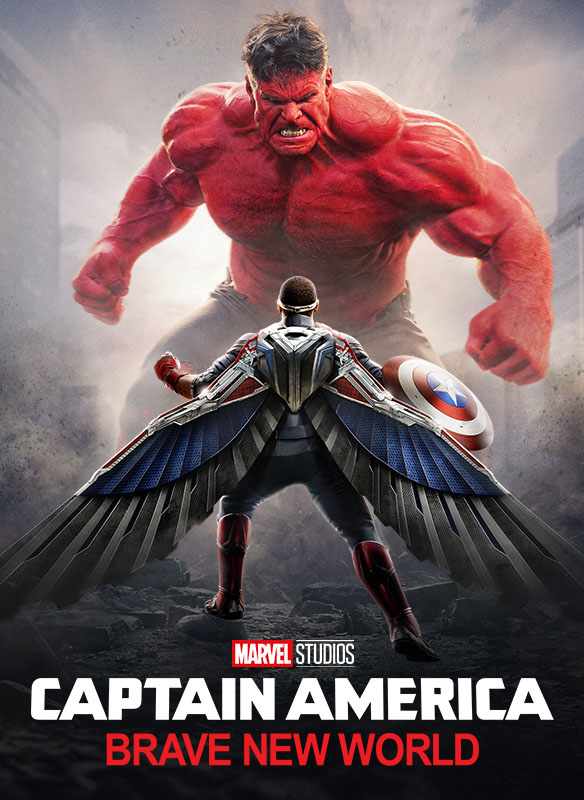
“Captain America: Brave New World” bursts onto the screen, not just as another thrilling superhero spectacle, but as a surprisingly introspective journey for its titular hero. This installment delves deep into the psyche of Captain America, showcasing a side of the iconic character rarely explored with such nuance: his profound insecurities about not possessing the inherent superhuman qualities and cosmic gifts of many of his Avenger counterparts.
The film effectively highlights how Captain America’s formidable strength and abilities, while impressive, are ultimately limited by the technology he wears and his own strategic intellect. He’s a peak human, enhanced by the Super Soldier Serum, but he doesn’t wield lightning, possess god-like invulnerability, or command the raw power of a gamma-irradiated giant. This distinction is subtly but consistently drawn throughout the narrative, creating a compelling internal conflict for a hero who has always been defined by his unwavering resolve. It’s a fascinating exploration of what it means to be a hero when your powers are, in essence, a product of human ingenuity and physical perfection, rather than cosmic birthright or alien physiology. One might even draw a parallel to the original Iron Man, Tony Stark, a genius who, despite his vast intellect and technological prowess, fundamentally operated within the realm of human invention, constantly pushing the boundaries of what a non-powered individual could achieve. Perhaps he too harbored similar thoughts about his place among literal gods.
The Faces of a Brave New World
The cast of “Captain America: Brave New World” brings a compelling array of characters to life, each contributing to the evolving landscape of the Marvel Cinematic Universe.
At the forefront is Anthony Mackie as Sam Wilson, who has fully embraced the mantle of Captain America. Mackie imbues Sam with a grounded heroism, showcasing his intelligence and empathy as his true “superpowers” in a world filled with more overtly powerful beings. This film truly allows Sam to step into his own as the leader Captain America needs to be.
Joining Sam is Danny Ramirez as Joaquin Torres, who takes on the mantle of the new Falcon. Torres serves as Sam’s loyal and capable wingman, providing a fresh dynamic to the aerial combat and a burgeoning friendship that promises to grow in future installments.
A significant new addition to the cast is the legendary Harrison Ford, who steps into the role of Thaddeus “Thunderbolt” Ross, now the President of the United States. Ford brings his signature gravitas and a complex portrayal to Ross, a character with a long and complicated history in the MCU. His interactions with Sam Wilson drive much of the film’s political intrigue and set the stage for potentially massive changes.
The film also brings back a familiar face in Tim Blake Nelson as Samuel Sterns, also known as The Leader. Last seen in “The Incredible Hulk,” Sterns’ return promises to be a key antagonist, leveraging his intellect in sinister ways against Captain America and the world.
Another returning character is Betty Ross, played by Liv Tyler, reprising her role from “The Incredible Hulk.” Her re-introduction adds another layer to President Ross’s character and offers a callback to earlier days of the MCU.
New to the universe is Shira Haas as Ruth Bat-Seraph, an Israeli secret agent. Haas brings a sharp intensity to her character, who finds herself entangled in the global conspiracy and on a collision course with Sam Wilson.
The film also features Carl Lumbly returning as Isaiah Bradley, the Korean War veteran who was subjected to super soldier experiments. His presence continues to explore the darker aspects of the Super Soldier program’s history and its human cost, adding depth to the narrative.
Beyond Captain America’s personal struggles, “Brave New World” is a pivotal entry in the broader Avengers storyline, introducing a significant new element: Adamantium. The arrival of this virtually indestructible metal into the Marvel Cinematic Universe opens up a myriad of possibilities for future conflicts and character developments, setting the stage for even grander narratives. Its presence alone signals a shift in the power dynamics and challenges facing the heroes.
The film also places a considerable emphasis on the political landscape, with the President playing a crucial role in the unfolding events. This grounds the superhuman action in a more relatable, geopolitical reality, reminding us that even world-ending threats often have their roots in human decisions and power structures. The interactions and dynamics between these characters are central to the film’s plot, hinting at the formation of a new Avengers team – one that may be shaped by different ideals and face challenges distinct from those of their predecessors.
“Captain America: Brave New World” is more than just a superhero movie; it’s a character study wrapped in an explosive action package. It challenges our perceptions of heroism, explores the vulnerabilities of even the strongest individuals, and lays crucial groundwork for the next chapter of the Avengers saga. It’s an engaging and thought-provoking watch that leaves you eager to see where these brave new heroes will lead us.
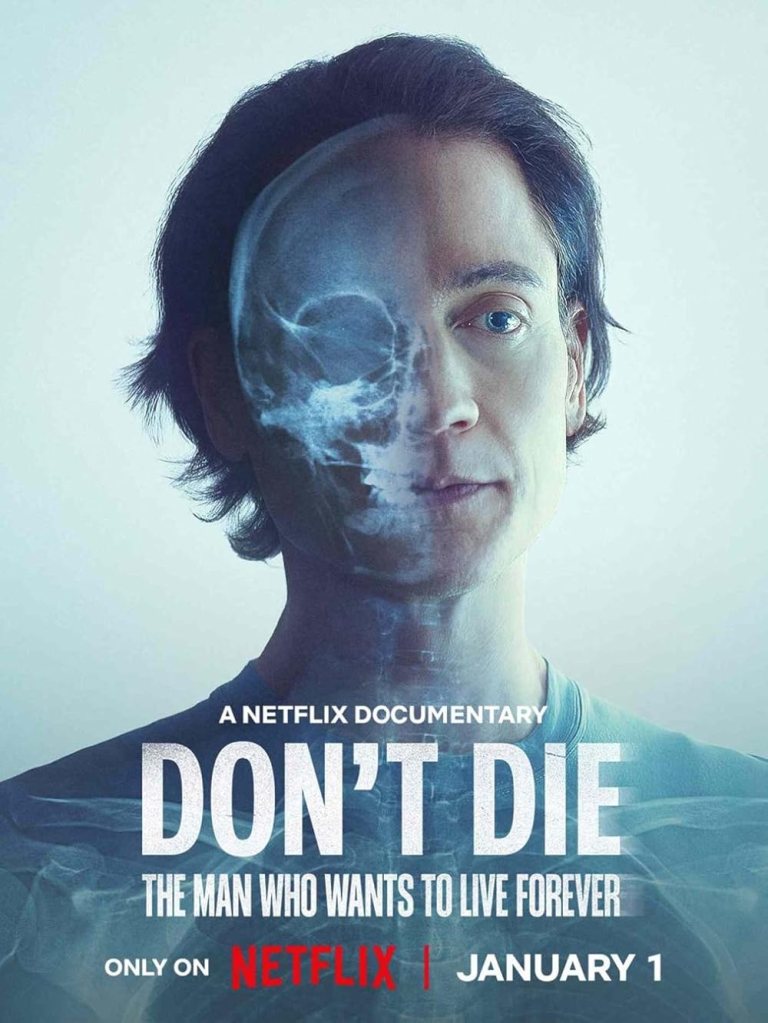
Tech billionaire Brian Johnson has captured the internet’s attention with his intense and highly publicized quest for longevity, known as “Project Blueprint.” Now, a new film, aptly titled “Don’t Die,” offers a more intimate look into Johnson’s life, particularly his relationship with his son and the visible impact of his unconventional health regimen. While Johnson’s philosophy might strike some as extreme, the documentary presents an interesting case study on dedication, personal transformation, and the pursuit of well-being, however unique.
One of the most compelling aspects of “Don’t Die” is its portrayal of Brian Johnson as a father. We see genuine moments of connection and quality time shared with his son, offering a glimpse into the personal motivations behind his rigorous lifestyle. It’s clear that Johnson’s pursuit of longevity isn’t solely for himself but perhaps also rooted in a desire to be present and healthy for his family. These scenes add a layer of humanity to a figure often viewed through the lens of his intense health protocols.
Visually, the film doesn’t shy away from showcasing the results of Johnson’s dedication. Whether you agree with his methods or not, it’s undeniable that Johnson exudes a certain vitality. His appearance, as highlighted in the documentary, suggests a man deeply invested in his well-being. There’s a youthful glow and an energetic presence that seems to contradict his chronological age. The film subtly implies that this could be a direct result of his unwavering commitment to his “Blueprint” program.
The Science Behind the Blueprint: Food, Vitamins, and Meticulous Measurement
“Don’t Die” offers glimpses into the scientific rigor underpinning Johnson’s “Project Blueprint.” His approach is centered on precise measurement and optimization of numerous biomarkers, striving to achieve the biological age of a younger individual.
His food regimen is highly controlled and plant-based, with an approximate daily calorie intake of 2,250. Every calorie, as he explains, is “purpose driven,” meaning it must contribute a specific benefit to his body. His diet focuses on superfoods like broccoli, cauliflower, black lentils, ginger, berries, nuts, and seeds. He avoids sugar, junk food, fried food, highly processed food, dairy, pasta, bread, and alcohol. His meals are eaten within a tight window, typically between 6 am and 11:30 am, and include dishes he refers to as “Super Veggie” (containing items like broccoli, cauliflower, black lentils, mushrooms, garlic, and ginger) and “Nutty Pudding” (made with protein powder, blueberries, and blackberries, among other ingredients).
To supplement his diet, Johnson adheres to an extensive vitamin and supplement regimen. He takes over 100 supplements and pills daily, including a “Blueprint Stack” that consists of seven multivitamin and multimineral products, containing 74 compounds. Some notable compounds he takes include Ca-AKG (Calcium Alpha-Ketoglutarate), NR (Nicotinamide Riboside) or NMN (Nicotinamide Mononucleotide), Taurine, Nordihydroguaiaretic Acid (NDGA), Sulforaphane, CoQ10 (Coenzyme Q10), Turmeric (Curcumin), N-Acetyl-L-Cysteine (NAC), low-dose Lithium, Resveratrol, and Metformin. He also takes specific vitamins like D3 and K2, and consumes collagen peptides.
The precision of “Project Blueprint” extends to Johnson’s meticulous tracking of his body and its functions. He regularly takes hundreds of measurements of his body’s biological processes. For assessing body fat, he uses methods like DEXA scans, which measure body fat, muscle volume, and visceral fat. He has reported being in the top 99.5% for highest muscle volume and bottom 0.5% for visceral, muscle, and subcutaneous fat volume. Beyond body composition, he monitors an extensive array of biomarkers, including blood glucose, cholesterol levels (LDL, HDL), inflammation markers (hsCRP), vitamin D, Omega-3s, liver enzymes (AST/ALT), kidney function (Cystatin-C), and even telomere length. He also undergoes various fitness tests like continuous push-ups, a sit-rise test, waist-to-height ratio, grip strength, and a one-leg stand balance test. This comprehensive approach to self-measurement is a cornerstone of his attempt to understand and optimize his body.
What truly makes “Don’t Die” an interesting watch is the evident enjoyment Johnson seems to derive from his chosen path. Despite the strict routines and unconventional dietary choices, the film captures a sense of fulfillment in his pursuit. He speaks passionately about his journey, and there’s a palpable sense of satisfaction in the changes he has implemented. This genuine enthusiasm is infectious and might lead viewers to consider their own approaches to health and well-being, even if they don’t subscribe to Johnson’s extreme methodologies.
“Don’t Die” doesn’t necessarily endorse Brian Johnson’s specific health philosophy. Instead, it presents a portrait of a man who has made significant and arguably positive changes in his life, at least as evidenced by his own demeanor and reflections. The documentary leaves room for viewers to form their own conclusions about the practicality and desirability of such an intense regimen.
Ultimately, “Don’t Die” is an intriguing exploration of one individual’s dedicated journey towards longevity. It highlights the importance of intentional living and the potential for positive transformation when someone fully commits to a chosen path. While Brian Johnson’s methods may be extreme, the film offers a compelling look at a man who appears to be genuinely enjoying the process and reaping visible benefits, making it a worthwhile watch for those curious about the cutting edge of personal health and well-being.
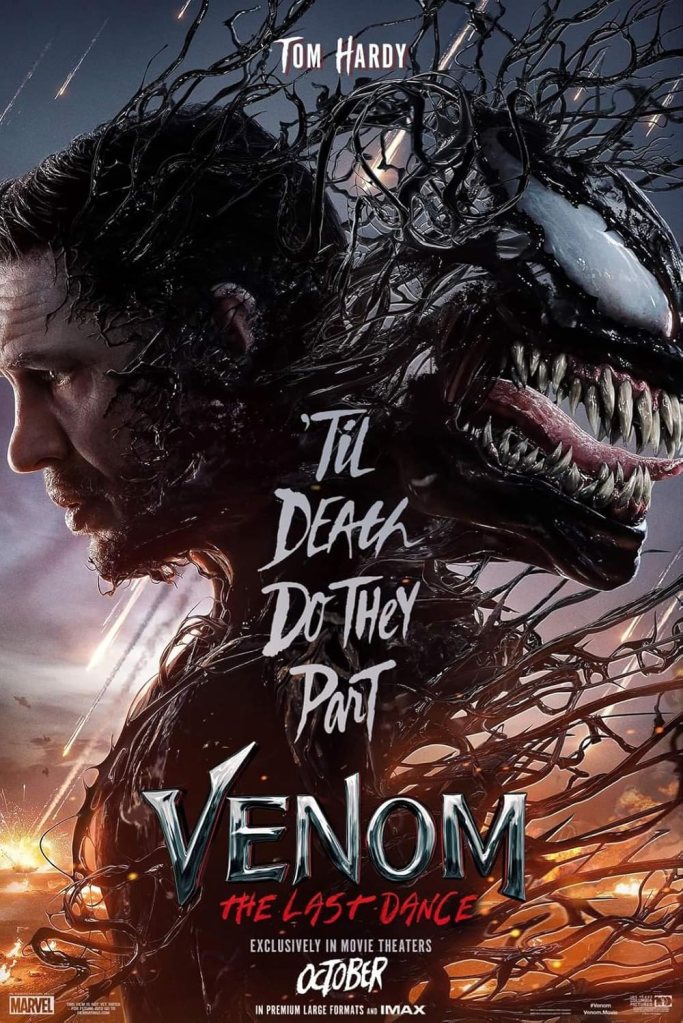
Get ready for a wild ride because Venom: The Last Dance is here, and it’s an absolute blast from start to finish! If you’re looking for a movie that grabs you by the throat (in a friendly, symbiotic way, of course) and doesn’t let go until the credits roll, then look no further. This latest installment in the Venom saga cranks up the dial on the action, the laughs, and most importantly, the unique bond between the alien symbiote and its human host, Eddie Brock, played by the incomparable Tom Hardy.
From the moment the film kicks off, you’re thrown headfirst into a whirlwind of chaos. Director Kelly Marcel (who also penned the screenplay) understands exactly what audiences love about this franchise: high-octane action sequences that are as creative as they are explosive. Cars are flipped, buildings crumble, and tentacles flail in a mesmerizing dance of destruction. Each action set piece feels bigger and bolder than the last, leaving you on the edge of your seat, breathlessly anticipating what mayhem Eddie and Venom will unleash next.
But “Venom: The Last Dance” isn’t just about mindless explosions. What truly elevates this film is the heart at its core – the complex and often hilarious relationship between Eddie Brock, once again brilliantly portrayed by Tom Hardy, and his alien other half, Venom, also voiced by Tom Hardy. This isn’t just a parasitic relationship; it’s a genuine partnership, a bizarre yet touching bromance between two very different beings learning to coexist and rely on each other. Hardy masterfully portrays both the down-on-his-luck journalist and the gruff, alien voice within, creating a dynamic that is both entertaining and surprisingly poignant. You genuinely root for these two misfits, even as they’re causing widespread pandemonium. The film expertly balances the humor that stems from their odd-couple dynamic with moments of genuine emotional connection, reminding us that even the most unlikely pairings can forge unbreakable bonds.
Adding to the dynamic cast are familiar faces and new intriguing characters. Chiwetel Ejiofor joins the fray as General Rex Strickland, a formidable military commander tracking Eddie and Venom, and Juno Temple shines as Dr. Teddy Paine, a scientist who plays a crucial role in understanding the symbiotes. Peggy Lu also returns as the ever-present Mrs. Chen, providing some welcome moments of comic relief. And speaking of Mrs. Chen, be prepared for a truly unforgettable moment – the dance with Mrs. Chen is absolutely a must-see! It’s a hilarious and surprisingly heartwarming highlight that perfectly encapsulates the quirky charm of this franchise.
The role of the scientists in “Venom: The Last Dance” is particularly highlighted and is far from a mere plot device. Dr. Teddy Paine and her assistant Sadie (played by Clark Backo) are central to the government’s Imperium operation, which is dedicated to capturing and studying symbiotes that have fallen to Earth. Their research at Area 51 (or rather, Area 55, a facility hundred feet underground) is critical to understanding the symbiotes’ origins and purpose, and even the threat posed by the creator of all symbiotes, Knull (voiced by Andy Serkis). The film cleverly weaves in the scientific efforts to contain and comprehend these alien entities, creating a layer of intrigue and stakes beyond just the raw action. While General Strickland represents the military approach of capture and control, Dr. Paine often embodies a more nuanced, empathetic perspective towards the symbiotes, driven by a desire for knowledge and even a sense of understanding. Their experiments and discoveries are not only key to the plot’s progression but also raise ethical questions about scientific pursuit and the consequences of meddling with unknown extraterrestrial life.
While the plot itself is a rollercoaster of twists and turns, it’s the sheer entertainment value that truly shines. “Venom: The Last Dance” knows exactly what kind of movie it is – a fun, action-packed spectacle that doesn’t take itself too seriously. It delivers on its promise of thrilling action sequences, laugh-out-loud moments, and a deeper exploration of the endearing relationship between Eddie and Venom.
If you’re a fan of the previous Venom films, or simply looking for an exhilarating and thoroughly enjoyable cinematic experience, then “Venom: The Last Dance” is a must-see. It’s a testament to the enduring appeal of these characters and a fantastic reminder that sometimes, the most unexpected partnerships can lead to the most entertaining adventures. So grab your popcorn, settle into your seat, and get ready to cheer for the chaotic, explosive, and surprisingly heartwarming final dance of Venom and Eddie Brock. You won’t be disappointed!
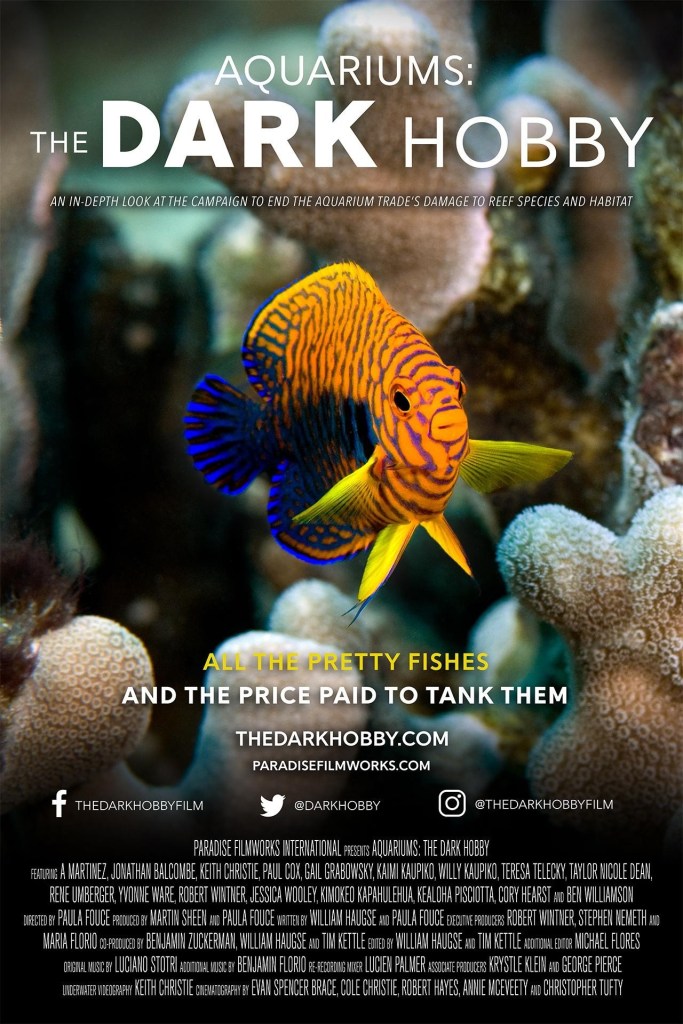
Have you ever gazed into a vibrant home aquarium, mesmerized by the flashing colors of tropical fish, and wondered about their journey from the ocean to your living room? The documentary “Aquarium: The Dark Hobby” pulls back the curtain on this often-unseen journey, revealing a deeply troubling industry with devastating consequences for marine life and ecosystems. This film isn’t just an eye-opener; it’s an urgent call to action, demanding a fundamental shift in how we approach the capture and trade of marine species for the aquarium industry.
The documentary lays bare the brutal realities of wild capture, exposing methods that are not only destructive to individual animals but also to the delicate coral reefs and habitats they call home. It highlights the shocking mortality rates, with countless fish, corals, and invertebrates dying at various stages – from the initial capture and transport to the wholesaler and finally, the consumer. This isn’t just about a few casualties; it’s a systemic problem built on a foundation of significant loss, a silent death toll that the industry rarely acknowledges.
A Deep Dive into the Dark Hobby, Centered in Hawaii
Much of the film’s compelling narrative is shot on location in Hawaii, a major hub for the collection of marine ornamental fish. The stunning underwater cinematography beautifully captures the richness of the reefs, making the subsequent scenes of destruction even more heartbreaking. The film showcases the efforts of Native Hawaiian elders, conservationists, and scientists who are battling against fish collectors to protect these tiny creatures, which are vital to the reef ecosystem. Their fight to halt the collection of reef creatures has even gone all the way to the Supreme Court.
The documentary also shines a light on the influential role of lobbyists for the aquarium industry. It reveals how powerful groups, such as the Pet Industry Joint Advisory Council (PIJAC), have actively worked to resist stricter regulations and promote their interests. The film presents the arguments put forth by these lobbyists, often centering on economic hardship for collectors and claims of “sustainable” practices, even as evidence points to declining fish populations and damaged reefs. “Aquarium: The Dark Hobby” scrutinizes these arguments, highlighting the vast discrepancy between the industry’s rhetoric and the dire reality faced by marine ecosystems. It exposes how a narrative of sustainability is often used to justify practices that are anything but.
“Aquarium: The Dark Hobby” makes it abundantly clear: our current rules and laws are woefully inadequate. They fail to protect vulnerable species, allow for unsustainable collection practices, and contribute to the decimation of marine biodiversity. The film doesn’t just point fingers; it provides a sobering look at how our continued patronage, often unwitting, fuels this destructive cycle. By allowing this industry to thrive with minimal oversight, we are, in essence, complicit in the death of marine life and the degradation of our planet’s most vital ecosystems.
This documentary is more than just a collection of disturbing images; it’s a powerful argument for change. It compels us to ask difficult questions:
Should we continue to support an industry built on such high mortality rates?
Are the aesthetic pleasures of a home aquarium worth the irreparable damage to our oceans?
What are our responsibilities as consumers and citizens to advocate for stronger protections?
The call to action is undeniable. We need to demand stricter regulations, enforce sustainable collection practices, and explore viable alternatives such as captive breeding. Consumers have immense power. By choosing not to purchase wild-caught marine animals, by supporting ethical and responsible aquaculture, and by educating ourselves and others, we can send a clear message that the “dark hobby” is no longer acceptable.
“Aquarium: The Dark Hobby” is a must-watch for anyone who cares about the health of our oceans. It’s a challenging film, but one that offers the crucial insight needed to spark meaningful change. Let this documentary be the catalyst for a global conversation, and more importantly, for concrete actions that ensure the vibrant marine life we cherish remains in its rightful home – the vast, wild, and awe-inspiring ocean.