
Month: June 2025

  • List Three Books that have an Impact on you. Why?

    Daily writing prompt
    List three books that have had an impact on you. Why?

    As an occassional reader, I get asked about books that have left a lasting impression on me. It’s a tough question because so many books offer unique insights. However, three stand out for their profound impact on my journey toward personal growth and effectiveness: The Power of Habit by Charles Duhigg, The Alchemist by Paulo Coelho, and The 7 Habits of Highly Effective Teens by Sean Covey.


    These books collectively instilled in me a powerful message: always strive to be better. They provided practical frameworks and inspiring narratives that pushed me to examine my actions, find my purpose, and ultimately become more effective in everything I do.


    The Power of Habit by Charles Duhigg: Unlocking the Science of Change
    This book was a game-changer for me.

    Duhigg masterfully breaks down the science behind habit formation, revealing how our routines, both good and bad, shape our lives. What I found most compelling was his explanation of the “habit loop”—cue, routine, and reward. Understanding this loop empowered me to actively identify my working cues and strategically leverage them to cultivate positive habits.


    Duhigg presents compelling case studies, from the success of Procter & Gamble’s Febreze to the civil rights movement, to illustrate how habits drive individual and organizational change. He doesn’t just tell you what to do; he explains why it works, offering actionable insights on how to interrupt bad habits and build new, beneficial ones. For anyone looking to make lasting changes in their life, The Power of Habit is an indispensable guide to understanding and harnessing the incredible power of habits.


    The Alchemist by Paulo Coelho: A Journey of Purpose and Destiny


    The Alchemist is more than just a story; it’s a fable that resonates deeply with anyone seeking meaning and direction. The narrative follows Santiago, a shepherd boy who embarks on a journey to find a hidden treasure, only to discover his true destiny along the way. What I love most about this book is its central message: if you truly desire something, the universe will conspire to help you achieve it.


    This book was a profound reminder that our dreams and aspirations are not just fleeting thoughts, but often a calling towards our “Personal Legend.” It encourages us to embrace adventure, overcome obstacles, and listen to our hearts. The Alchemist inspired me to pursue my goals with conviction, trusting that even setbacks are part of the grand design leading me closer to my purpose.


    The 7 Habits of Highly Effective Teens by Sean Covey: A Teenager’s Blueprint for Success


    I read The 7 Habits of Highly Effective Teens during my formative years, and it has been incredibly influential in shaping my approach to life. Building upon his father Stephen Covey’s timeless principles, Sean Covey brilliantly translates the 7 Habits into relatable language for teenagers, offering a clear roadmap for personal responsibility and growth.
    The seven habits are:

    • Be Proactive: Take responsibility for your own life.
    • Begin With the End in Mind: Define your mission and goals in life.
    • Put First Things First: Prioritize and do the most important things first.
    • Think Win-Win: Have an “everyone can win” attitude.
    • Seek First to Understand, Then to Be Understood: Listen to people sincerely.
    • Synergize: Work together to achieve more.
    • Sharpen the Saw: Renew yourself regularly in all four key areas of your life (body, brain, heart, soul).

    These habits provided a powerful framework for navigating the challenges of adolescence and laid a strong foundation for my personal development. They taught me the importance of setting goals, managing my time, building strong relationships, and continuously improving myself. Even now, years later, these principles continue to guide my decisions and actions.


    These three books, each in its own unique way, have made a lasting impact on me. They didn’t just entertain; they educated, inspired, and motivated me to become a more effective, purposeful, and continually striving individual. If you’re looking for books that offer practical advice and profound wisdom, I highly recommend adding these to your reading list.
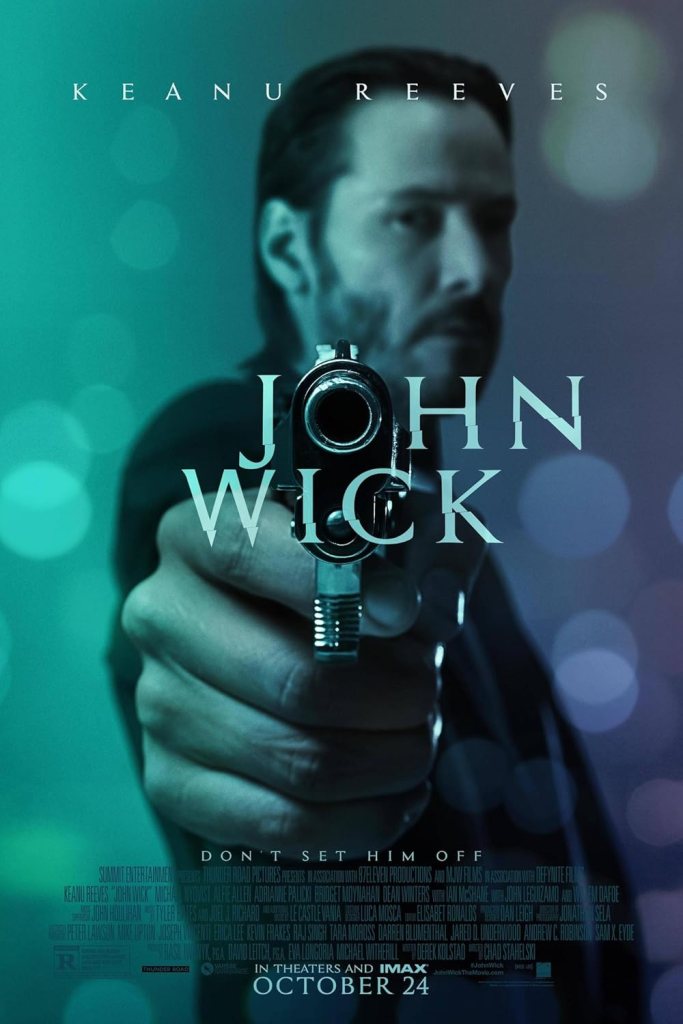
  • “John Wick”: A Bullet-Riddled Journey of Grief and Vengeance

    Before it became a global phenomenon of ever-escalating action, “John Wick” arrived in 2014 like a precision-guided missile, a stylish and surprisingly emotionally resonant entry into the action genre. While renowned for its groundbreaking fight choreography, the film’s true power lies in its ability to ground the spectacular violence in a deeply human, albeit tragic, story.

    At its core, “John Wick” is an emotionally captivating tale of loss and the desperate fight to reclaim a semblance of peace. The narrative hinges on the devastating personal tragedy of John Wick, a retired hitman, whose life has been shattered by the loss of his beloved wife, Helen, played in a brief but impactful role by Bridget Moynahan. Her thoughtful final gift to him – a beagle puppy named Daisy – is a symbol of hope, a tangible piece of the future she envisioned for him. When this last vestige of his happiness is cruelly taken from him by petty thugs, John’s subsequent rampage is not merely about a dog; it’s a powerful, almost primal, act of fighting for his lost wife, for the life they built, and for the peace that was stolen. The puppy represents the final thread connecting him to Helen, and its brutal demise severs that last link, unleashing the legendary “Baba Yaga” once more.


    The Plot: From Grieving Widower to Unstoppable Assassin

    The story begins with John Wick seemingly retired from his notorious past as a hitman, living a quiet life of solitude after Helen’s passing. The arrival of Daisy, a final gesture of love from his wife, brings a glimmer of light into his darkened world. This fragile peace is shattered when a group of Russian thugs, led by Iosef Tarasov (played by Alfie Allen), break into his home, steal his car, and brutally kill Daisy.

    Unbeknownst to Iosef, he has just awakened a sleeping giant. His father, Viggo Tarasov (portrayed by the formidable Michael Nyqvist), is the head of the Russian crime syndicate, and he knows exactly who John Wick is – an assassin of unparalleled skill and legendary ruthlessness, a man once so feared he was dubbed the “Baba Yaga” (the boogeyman) for his ability to kill seemingly impossible targets. Viggo’s desperate attempts to contain John’s vengeance, offering bribes and sending hordes of his own men, only further illustrate the terror John inspires.

    John’s path of vengeance leads him through the intricate, clandestine world of assassins, a hidden society governed by its own strict rules and codes, centered around the Continental Hotel. Here, he interacts with characters like Winston, the enigmatic manager of the Continental (played by a wonderfully stoic Ian McShane), and Charon, the concierge (played by Lance Reddick), who maintain a neutral ground for assassins. He also crosses paths with Marcus, an old friend and fellow hitman (played by a weary yet principled Willem Dafoe), whose loyalty becomes a critical factor. The narrative is a relentless forward momentum, a series of escalating encounters as John systematically dismantles Viggo’s empire, one bullet and one broken bone at a time.


    Action That Redefined the Genre

    The action scenes in “John Wick” are nothing short of amazing, often credited with revitalizing the American action film genre. Directors Chad Stahelski and David Leitch (uncredited) brought a refreshing approach, emphasizing wide shots, long takes, and practical effects over shaky-cam and excessive cuts. This “gun-fu” style, a seamless blend of close-quarters combat and firearms proficiency, allows viewers to truly appreciate the incredible choreography and John Wick’s lethal efficiency. Every headshot, every grapple, every reload feels visceral and impactful, creating a ballet of brutality that is both thrilling and strangely beautiful.


    Critical Consensus: A Resounding Success

    Upon its release, “John Wick” garnered widespread acclaim from critics and audiences alike. The consensus was overwhelmingly positive, praising its stylized action, tight screenplay, and Tom Wick’s captivating performance. Reviewers frequently highlighted its unique visual aesthetic, the innovative “gun-fu” fight choreography, and the surprisingly emotional core that elevated it beyond a typical revenge flick. Many noted that while the plot was deceptively simple, it was executed with such precision and flair that it felt fresh and compelling. The film was celebrated for successfully establishing a rich, self-contained universe with its own mythology and rules, laying the groundwork for the successful franchise it would become. It was seen as a triumphant return for an iconic action star and a benchmark for modern action cinema.

    “John Wick” is a masterclass in action filmmaking, proving that a clear emotional drive, combined with exceptional execution, can elevate a genre film to something truly special. It’s a journey of grief, vengeance, and a surprising amount of heart, wrapped in a meticulously choreographed package of pure adrenaline.nt of heart, wrapped in a meticulously choreographed package of pure adrenaline.

  • Describe your dream chocolate bar

    Daily writing prompt
    Describe your dream chocolate bar.

    My Dream Chocolate Bar: A Symphony of Sweet, Savory, and Surprising!
    If I close my eyes and imagine the ultimate chocolate bar, it’s not just a confection; it’s an experience, a journey for the taste buds that defies conventional boundaries. Forget your standard milk or dark – my dream chocolate bar is a wild, wonderful fusion of flavors, textures, and even a touch of the unexpected.


    Imagine this: The base is a luscious, dark chocolate, perhaps 70% cacao, for that deep, rich bitterness that anchors the symphony. But swirling within this velvety darkness are veins of creamy, dulce de leche white chocolate, adding a sweet, caramelized counterpoint.
    Now for the inclusions. First, the fruits: plump, sun-dried mission figs, offering a chewy, earthy sweetness, alongside tangy freeze-dried raspberries that burst with bright acidity. Then, the candies: crunchy bits of butter toffee for that irresistible caramel-nutty flavor, and a surprising pop of subtly spicy candied ginger, adding warmth and a delightful zing.


    And here’s where it gets truly audacious: a whisper of savory. Picture delicate slivers of candied bacon, providing a smoky, salty crunch that plays off the sweetness in a way that’s utterly addictive. And perhaps, just perhaps, tiny, almost imperceptible dots of smoked sea salt to elevate all the flavors.


    But my dream doesn’t stop at the bar itself. This chocolate bar exists within a realm of pure chocolate fantasy. In this dream, there’s a fountain of warm, flowing chocolate, not just one, but several, each offering a different origin or cacao percentage, inviting endless dipping. And surrounding this fountain, an array of dippable delights – fresh fruit, marshmallows, pretzels, and even small, savory pastries.


    Chocolate Beyond the Bar: A Culinary Canvas


    My dream extends to a world where chocolate isn’t just a dessert ingredient, but a versatile culinary tool, integrated into dishes in astonishing ways across various cuisines. It’s a testament to how chocolate, with its complex flavor profile, can bridge the gap between sweet and savory, adding depth, richness, and unexpected twists.


    Let’s explore how chocolate is already making waves in global gastronomy and how it could be further incorporated:

    1. Middle Eastern Delights: The Allure of Dubai Chocolate
      Dubai chocolate, particularly the viral sensation featuring kadaif and pistachio, is a perfect example of how chocolate is being innovated. It’s not just about the chocolate itself, but the clever combination of textures and flavors.
      • How it’s made (inspired by viral trends): Imagine a high-quality milk or dark chocolate shell. Inside, a generous layer of pistachio cream – made from finely ground pistachios, a touch of sugar, and sometimes white chocolate or a neutral oil for creaminess. Layered on top of this, or sometimes mixed within, are crispy kadaif (shredded phyllo dough) that has been toasted until golden brown and often lightly sweetened. This creates an incredible textural contrast – the snap of the chocolate, the smooth creaminess of the pistachio, and the delightful crunch of the kadaif. My dream would see variations with different nuts (almond, cashew) or even a hint of rosewater in the pistachio cream.

      2. Mexican Mole: A Savory Chocolate Masterpiece
      Perhaps one of the most famous savory applications of chocolate, mole is a complex and deeply flavorful sauce.

        • How it’s made: Mole poblano, for instance, is a quintessential Mexican dish. It’s a rich, dark sauce made from a myriad of ingredients including several types of chili peppers (ancho, mulato, pasilla, chipotle), spices (cumin, coriander, cloves, cinnamon), nuts (almonds, peanuts), seeds (sesame, pumpkin), dried fruits (raisins, prunes), and crucially, Mexican chocolate. The chocolate, often bittersweet, provides a critical depth of flavor, balancing the heat from the chilies and adding a unique richness. The ingredients are toasted, ground, blended, and slowly simmered for hours, resulting in a thick, velvety sauce served over poultry or other meats. In my dream, imagine a chocolate mole reduction used as a glaze for roasted vegetables.

        3. Italian Gastronomy: Chocolate as an Unexpected Accent
        While Italy is famous for its sweet chocolate confections like gianduja, there are intriguing savory applications emerging.

          • How it could be used: Think about a chocolate-infused balsamic glaze drizzled over aged Parmesan cheese and figs, or a dark chocolate powder dusted lightly over a rich venison ragu to deepen its umami notes. Even a subtle hint of bitter chocolate in a hearty beef stew could elevate its complexity.

          4. French Cuisine: Elegance and Subtle Integration
          French culinary traditions often focus on elegance and precision. Chocolate, beyond its use in exquisite desserts, can be subtly incorporated into savory dishes.

            • How it could be used: Imagine a tiny square of high-quality dark chocolate melting into a pan sauce for duck breast, providing a silky texture and a hint of bittersweetness that complements the richness of the duck. Or a delicate chocolate tuile served alongside a foie gras terrine, offering a surprising textural and flavor contrast.

            5. Indian Flavors: Aromatic and Bold Combinations
            Indian cuisine is known for its bold spices and aromatic profiles. Chocolate could find a home here in unexpected ways.

              • How it could be used: Picture a chocolate and chili spice rub for lamb chops, where the bitterness of the chocolate enhances the heat and aroma of the spices. Or a small amount of dark chocolate melted into a rich, creamy curry, adding a surprising depth and velvety texture to the sauce.

              My dream chocolate bar, and the world it inhabits, is a testament to the endless possibilities of chocolate. It’s a celebration of flavor, texture, and the sheer joy of culinary exploration. From the audacious inclusions in the bar itself to its transformative power in diverse cuisines, chocolate is truly a gift that keeps on giving – a sweet, savory, and wonderfully surprising journey for the senses.