Month: May 2025

  • “Gladiator II”: A Spectacle of Sand and Shadows, Echoing a Legend

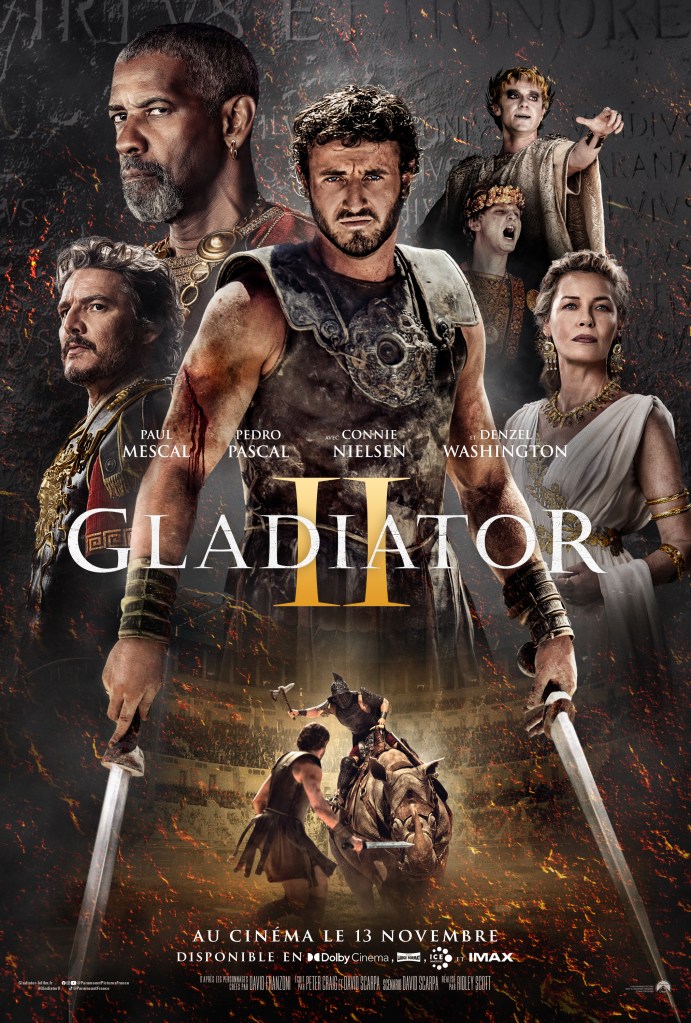
    Nearly a quarter-century after Ridley Scott’s Oscar-winning epic captivated audiences, the arena gates reopen for “Gladiator II.” This long-awaited sequel, directed once again by Scott, transports viewers back to the Roman Empire, picking up years after the tragic demise of Maximus. With a new protagonist in Paul Mescal as an adult Lucius Verus, and a stellar supporting cast including Denzel Washington, Pedro Pascal, Connie Nielsen, Joseph Quinn, and Fred Hechinger, the film attempts to honor its predecessor while forging its own path. The critical reception has been a mix of praise for its grand scale and action, tempered by comparisons to the original’s emotional depth and narrative strength.

    Released on November 22, 2024, “Gladiator II” plunges us into a world where Lucius (Paul Mescal), now grown, is thrust into the brutal gladiatorial games after his home is conquered. Driven by a complex mix of rage and a desire to restore Rome’s glory, he looks to the past – specifically, the legacy of Maximus – for strength.

    A Visual and Action Extravaganza

    Undoubtedly, one of “Gladiator II”‘s most lauded aspects is its sheer spectacle. Ridley Scott, a master of historical epics, delivers on the promise of grand-scale filmmaking. The Colosseum battles are expansive and visceral, showcasing impressive action sequences that are both brutal and creatively staged. From gladiators battling charging rhinos and aggressive baboons to naval skirmishes within the flooded arena, the film aims to outdo its predecessor in sheer visual audacity. The production design is frequently praised, immersing viewers in the opulent yet decaying world of Roman power. For those seeking “eye-popping spectacle and operatic violence,” “Gladiator II” largely delivers.

    Performances: A Shining Denzel and a Challenged Protagonist

    The cast is a significant draw, and Denzel Washington as Macrinus, a former slave turned cunning power broker, is consistently highlighted as a scene-stealer. Critics rave about his “blinding charisma, steely authority, and sly humor,” noting that he “eats every line and costume” and brings a “deliciously self-assured performance” that often elevates the film. Many suggest he could be in contention for awards, with some even wishing the movie was more focused on his character.

    Paul Mescal takes on the daunting task of leading the film as Lucius. While some critics found him “magnetic” and a “worthy heir to the throne,” others felt he lacked the “gravitas” and “scorching glower” that Russell Crowe brought to Maximus. His performance is described as “solid” and “committed physically,” but the script’s tendency to make Lucius a “carbon copy” of Maximus rather than a distinct character, coupled with a perceived lack of emotional depth in his speeches, left some wanting more.

    Connie Nielsen reprises her role as Lucilla, providing a welcome link to the original. Pedro Pascal as General Acacius and Joseph Quinn and Fred Hechinger as the eccentric co-emperors Geta and Caracalla, respectively, round out the notable cast, adding layers of political intrigue and often “campy” villainy.

    Narrative Echoes and Tonal Imbalance

    Where “Gladiator II” faces its most significant challenges is in its narrative and thematic originality. Many reviews point out that the plot often feels like a “lazy retread” of the first film, echoing its structure and hitting familiar beats without adding substantial new insights or lore. The film’s reliance on CGI, while enabling grand set pieces, also drew criticism, with some effects, particularly the animal encounters, appearing “comically fake” or “loopy.”

    The screenplay is described as “clunky” and “underdeveloped” by some, with characters and subplots feeling “half-formed.” The tonal shifts, from serious historical drama to moments bordering on absurdity, also proved jarring for some viewers. While the film attempts to explore themes of power, corruption, and legacy, some critics felt these were not fully realized, leaving the overall emotional impact less potent than its predecessor.

    Conclusion: An Entertaining, Yet Imperfect, Return to the Arena

    “Gladiator II” is a film that arrives with immense expectations, and it largely succeeds as a spectacle. Ridley Scott’s direction ensures a visually impressive and action-packed experience that will likely satisfy fans craving more Roman epic grandeur. Denzel Washington delivers a standout performance that alone makes the film worth watching for many.

    However, its struggle to escape the shadow of the original, coupled with a somewhat predictable plot and a protagonist who doesn’t always command the screen with the same intensity as Maximus, means it doesn’t quite reach the heights of its iconic predecessor. It’s an entertaining blockbuster, “a solid piece of neoclassical popcorn,” that provides a thrilling, albeit occasionally flawed, return to the Colosseum. For those who can appreciate its bombastic action and charismatic performances without constantly comparing it to the beloved original, “Gladiator II” offers a worthwhile, if not groundbreaking, cinematic experience.


  • “Love Hurts”: Ke Huy Quan Charms in a Flawed Yet Fun Action-Comedy

    Ke Huy Quan, fresh off his triumphant, Oscar-winning return to the screen in “Everything Everywhere All at Once,” steps into his first major leading action role in “Love Hurts.” This action-comedy, directed by stunt coordinator Jonathan Eusebio, attempts to blend high-octane fights with a quirky romantic premise. While the film has its share of narrative stumbles and tonal imbalances, Quan’s undeniable charisma and impressive physical prowess elevate it into an enjoyably campy, if imperfect, cinematic experience.

    The plot centers on Marvin Gable (Ke Huy Quan), a seemingly mild-mannered and relentlessly positive real estate agent in Wisconsin. His idyllic life, however, is shattered when his past as a deadly hitman comes knocking. Specifically, a crimson envelope arrives from Rose (Ariana DeBose), a former partner-in-crime he believed he had left for dead. Her reappearance, coupled with the sudden emergence of various eccentric assassins, pulls Marvin back into the dangerous underworld he desperately tried to escape. His crime-lord brother, Knuckles (Daniel Wu), also complicates matters, forcing Marvin to confront not only his violent history but also his lingering feelings for Rose.

    One of the film’s most significant strengths lies in its action sequences. Produced by 87North, the team behind hits like “Nobody” and “Bullet Train,” “Love Hurts” delivers well-choreographed fights and impressive stunts. Quan, who showcased his martial arts skills in “Everything Everywhere All at Once,” gets ample opportunity to shine here, transitioning seamlessly from affable realtor to formidable combatant. Reviewers frequently highlight his “charm and skill” in these sequences, noting a blend of slick choreography with a slightly goofy, almost “Kick-Ass”-like imperfection that adds to the film’s unique flavor. The creative use of everyday objects as weapons – from cookie cutters to boba straws – adds a fun, distinctive touch to the violence.

    However, the film’s narrative and comedic elements receive more mixed reactions. The story is often criticized for being cliché, simplistic, and lacking depth. At a lean 83 minutes, “Love Hurts” feels rushed in its pacing, with some subplots feeling underdeveloped or abruptly cut. The humor, while aiming for over-the-top absurdity, sometimes falls flat for reviewers who found it unfunny or forced.

    The romantic subplot between Marvin and Rose, despite being central to the film’s title, is a point of contention. Many critics found the chemistry between Ke Huy Quan and Ariana DeBose unconvincing, with some noting a significant age difference that detracts from the believability of their connection. Interestingly, a secondary, more offbeat romance between Marvin’s assistant Ashley (Lio Tipton) and a poetic assassin named The Raven (Mustafa Shakir) often resonated more with audiences, leaning into the film’s inherent silliness with greater success.

    Despite these flaws, Ke Huy Quan’s performance is consistently lauded. He brings an earnest sincerity and lovable quality to Marvin Gable, making him a character audiences can genuinely root for. His ability to convey both Marvin’s mild-mannered present and his dangerous past is a testament to his acting prowess. The film also features a delightful mini-“Goonies” reunion with Sean Astin as Marvin’s boss, a small but welcome nod for fans.

    “Love Hurts” is not a groundbreaking action film, nor is it a deeply profound romantic comedy. It’s a brisk, often chaotic, and undeniably campy ride that serves primarily as a vehicle for Ke Huy Quan to further cement his status as a leading man in the action genre. For those seeking a straightforward, action-packed flick with a dose of absurdity and a charismatic lead, “Love Hurts” offers a fun, albeit flawed, escape. It’s a testament to Quan’s star power that he can make even a messy script an enjoyable watch.

  • Unlocking Inner Peace with Stoicism

    In a world increasingly characterized by rapid change, emotional volatility, and an overwhelming deluge of information, the ancient philosophy of Stoicism offers a profound and remarkably relevant sanctuary. Far from the popular misconception of a cold, emotionless existence, genuine Stoicism presents a deeply humane and immensely practical framework for cultivating inner peace, resilience, and a life of purpose. Its beauty lies not in suppression, but in understanding; not in indifference, but in profound wisdom.

    At its core, Stoicism is a philosophy of action, a way of living that prioritizes virtue, reason, and harmony with nature. Developed in Athens by Zeno of Citium around 300 BC, and later refined by figures like Seneca, Epictetus, and the Roman Emperor Marcus Aurelius, it has guided thinkers, leaders, and everyday people through life’s inevitable storms for over two millennia.

    The Inner Citadel: Understanding What We Control

    Perhaps the most fundamental and liberating tenet of Stoicism is the Dichotomy of Control. This concept, famously articulated by Epictetus, distinguishes between things within our power and things outside our power. Our opinions, impulses, desires, and aversions – these are within our control. Our bodies, possessions, reputation, and the actions of others – these are not.

    The beauty of this distinction is its radical simplicity and immense power. By focusing our energy and concern solely on what we can control (our thoughts, reactions, and choices), we free ourselves from the immense anxiety and frustration that comes from trying to manipulate external events. The traffic jam, the rude comment, the unexpected illness – these are externals. Our reaction to them, however, is entirely up to us. This understanding builds an “inner citadel,” an unassailable fortress of the mind that no external misfortune can truly penetrate. It is a philosophy that offers genuine equanimity in the face of chaos.

    The Virtuous Path: Living with Purpose

    Beyond mere emotional management, Stoicism is a robust ethical system centered on four cardinal virtues:

    • Wisdom (Prudence): The ability to navigate complex situations, make sound judgments, and understand what is truly good and bad.
    • Justice: Treating others fairly, acting with integrity, and contributing to the common good.
    • Courage: Facing fears, enduring hardship, and acting in accordance with reason, even when difficult.
    • Temperance (Self-Discipline): Moderation in all things, control over desires and impulses, and living in harmony with oneself.

    These virtues are not abstract ideals; they are practical guides for daily living. The beauty of the Stoic emphasis on virtue is that it provides an intrinsic compass for life, one that is independent of external rewards or recognition. A virtuous life is its own reward, leading to genuine contentment and a profound sense of meaning. It teaches us that true success is not measured by wealth or status, but by the quality of our character and the integrity of our actions.

    Embracing Adversity: The Alchemist’s Stone

    One of the most compelling and counter-intuitive aspects of Stoicism is its approach to adversity. Rather than shying away from difficulties, Stoics view challenges as opportunities for growth and practice. Seneca famously wrote, “A gem cannot be polished without friction, nor a man perfected without trials.”

    This perspective transforms setbacks into learning experiences, obstacles into training grounds for resilience. The loss of a job, a personal betrayal, a physical ailment – these are not simply misfortunes to be endured, but tests that reveal and strengthen our character. Through practices like negative visualization (contemplating potential misfortunes to appreciate what we have and prepare for their eventuality) and the acceptance of fate (amor fati), Stoicism helps us cultivate a profound sense of gratitude and an unshakeable inner calm, even when external circumstances are dire. It is a philosophy that prepares us not just for good times, but for all times.

    Practical Beauty: Tools for Modern Living

    The enduring appeal of Stoicism lies in its practicality. It’s not a philosophy to be merely studied, but to be practiced. Here are just a few of its beautiful and actionable tools:

    • Mindfulness and Self-Awareness: Before it was a buzzword, Stoics engaged in rigorous self-examination, often through journaling (like Marcus Aurelius’s Meditations), to scrutinize their thoughts and reactions.
    • Premeditation of Evils (Premeditatio Malorum): Mentally rehearsing potential difficulties helps to diminish their shock and prepare a rational response, fostering a sense of preparedness rather than anxiety.
    • The View from Above: Imagining oneself observing life from a cosmic perspective helps to contextualize personal troubles and foster humility.
    • Journaling: Regularly writing down thoughts, reflections, and analyses of events helps to clarify thinking and apply Stoic principles.
    • Discomfort Practice: Deliberately engaging in minor discomforts (e.g., a cold shower, walking instead of driving) builds resilience and lessens attachment to comfort.

    The Misunderstood Sage: Dispelling Stereotypes

    It’s crucial to address the common mischaracterization of Stoics as emotionless robots. This couldn’t be further from the truth. Stoicism doesn’t advocate for the suppression of emotions, but for their rational management. We are human; we will feel anger, sadness, fear. The Stoic aim is to prevent these emotions from becoming destructive forces, to acknowledge them without being enslaved by them. It’s about feeling appropriately, not excessively. It’s about reason as a guide, not a dictator, allowing us to navigate life’s emotional landscape with grace and wisdom.

    A Path to Eudaimonia: The Good Life

    Ultimately, the beauty of Stoicism lies in its promise of eudaimonia – often translated as “flourishing” or “the good life.” This isn’t a fleeting happiness dependent on external circumstances, but a deep, abiding contentment derived from living in accordance with reason and virtue. It’s about finding freedom not in external liberty, but in internal self-mastery.

    In a world clamoring for quick fixes and external validation, Stoicism offers a timeless counter-narrative. It reminds us that true power resides within, that peace is a product of our own minds, and that the richest life is lived not by accumulating more, but by desiring less and acting with integrity. It’s a philosophy that empowers us to become the architects of our own character, to face life’s inevitable challenges with courage, and to find profound serenity in the everyday. For those willing to embrace its disciplined wisdom, Stoicism offers not just a philosophy, but a beautiful way of life.

  • Craving Claws

    Shadows flicker, born of old,

    A story whispered, often told

    By trembling hands, a hollow gaze,

    Lost in a past’s perpetual haze.

    The craving claws, a restless guest,

    Whispering false and fleeting rest.

    A bitter comfort, sweet decay,

    Stealing fragments of today.

    No peace allowed, no quiet grace,

    Just ghosts that haunt this troubled space.

  • A Hollow Space

    The alarm’s first bleat, a hollow sound,

    Pulls me from slumber, earthbound,

    Another dawn, the light appears,

    And with it, whispered, nameless fears.

    A stretch, a sigh, a slow ascent,

    To face the day, on purpose bent,

    But in the quiet of the room,

    A phantom ache, a sense of doom.

    Something is missing, stark and wide,

    A hollow space where dreams reside.

    A color muted, joy subdued,

    A silent longing, unsubdued.

    The coffee brews, the news rolls by,

    Another cycle ‘neath the sky,

    And in the mundane, I discern,

    A different path, a desperate yearn.

    To chase the wild, untamed desire,

    To stoke a long-forgotten fire,

    A life unlived, a soul unspun,

    Beneath a different, brighter sun.

    To paint the canvas, write the verse,

    To break the rhythm, to disperse

    The heavy cloak of what must be,

    And claim a self that’s truly free.

    But duty calls, the clock demands,

    My spirit bound in tired hands.

    The humdrum steps, the practiced smile,

    Just for a moment, to beguile

    The heart that aches, the mind that strains,

    Against the daily, common pains.

    Oh, for a world where risks are bold,

    And stories of true living told.

  • Burning Coal

    The gilded cage, its bars unseen,

    A tapestry of what should be,

    Woven by whispers, a collective keen,

    Of how a life is meant to flee.

    A weight of glances, nods of knowing,

    The silent judgment, sharp and sly,

    A path laid out, continuously showing,

    The summit where my worth will lie.

    My spirit chafes, a restless bird,

    Against the pressure, soft and deep,

    Each whispered wish, each spoken word,

    A promise I am bound to keep.

    The air feels thick, a heavy shroud,

    Of expectations, finely spun,

    I yearn to break from this well-meaning crowd,

    And chase a different rising sun.

    Yet, in this struggle, strange and stark,

    A flicker ignites, a burning coal,

    A refusal to remain a mark,

    A captive reaching for a goal.

    For in their gaze, I see reflected,

    A strength I didn’t know I held,

    A need to prove, though disaffected,

    A story bravely to be spelled.

    So trapped I am, within their frame,

    But in this trap, a fire grows,

    To play their expected, winning game,

    And then, perhaps, to choose my own prose.

    To climb their peak, with gritted teeth,

    To taste the victory they define,

    And in that triumph, find beneath,

    The power truly to be mine.

    This fight is born of outside need,

    But in the fray, my will takes hold,

    To plant my flag, a defiant seed,

    A story waiting to unfold.

  • Mastering the Art of Starting Fresh: A Novice’s Perspective

    There’s a unique thrill that hums beneath the surface of a new beginning, a quiet excitement that buzzes with possibility. Think about it: a crisp, clean journal just waiting for your stories, a new recipe you’ve never tried, or the first tentative steps into a completely unknown skill. While the seasoned expert might glide with practiced ease, there’s a profound, often overlooked beauty in being a novice.

    We live in a world that often celebrates mastery and immediate success. The polished Instagram feeds, the flawless performances, the overnight sensations – they can make us feel like anything less than perfect is a failure. But what if we shifted our perspective? What if we truly embraced the delightful messiness, the awkward stumbles, and the glorious “aha!” moments that only a beginner experiences?


    The Novice’s Superpower: Unfettered Curiosity

    When you’re new to something, you’re a sponge. You ask “why?” incessantly. You’re not bound by established norms or preconceived notions. This unadulterated curiosity is a superpower. It allows you to see things with fresh eyes, to question the unquestionable, and sometimes, even to stumble upon innovative solutions simply because you didn’t know “it couldn’t be done.” There’s no ego to protect, no reputation to uphold – just a pure, unadulterated desire to learn.

    Consider a child learning to draw. They don’t fret over perfect perspective or anatomical accuracy. They simply draw what they see, what they feel, with vibrant colors and boundless imagination. Their “mistakes” often lead to unexpected artistic discoveries. This is the essence of the novice’s mind – a mind free from the constraints of expectation, open to every input, and primed for organic growth. This open-mindedness is what fuels true innovation; many groundbreaking ideas have come from individuals unburdened by the “correct” way of doing things.


    The Gift of Growth: Every Small Victory is Monumental

    Remember learning to ride a bike? That exhilarating wobble, the sudden surge of balance, and then the triumphant, albeit short, ride before a spectacular dismount. Every tiny improvement as a novice feels like a monumental achievement. The first time your sourdough starter bubbles, the first chord you strum cleanly on a guitar, the first sentence you confidently speak in a new language – these are not just steps, they are glorious leaps. These small victories fuel a powerful sense of progress that can be harder to find when you’re already at the peak of your game.

    For the expert, progress might be incremental, a subtle refinement of an already polished skill. But for the beginner, each new understanding, each successful execution, is a tangible sign of development. It’s a powerful positive feedback loop that encourages persistence and builds genuine confidence, not just in the skill itself, but in your capacity to learn and grow. This constant affirmation makes the learning journey exhilarating, pushing you forward with renewed enthusiasm.


    Embracing Imperfection: The Freedom to Fail

    Perhaps the greatest beauty of being a novice is the inherent permission to be imperfect. When you’re new, everyone expects you to make mistakes. There’s a wonderful liberation in not knowing all the answers, in being able to ask “dumb questions,” and in trying something audacious simply because you don’t yet know all the reasons it might fail. This freedom allows for genuine experimentation and, often, leads to unexpected discoveries. It’s in these initial awkward attempts that we truly learn, adapt, and build resilience.

    Think of it as a creative sandbox. You can build, tear down, and rebuild without the pressure of a finished product. This iterative process, driven by trial and error, is how true mastery is eventually forged. The ability to embrace failure not as an endpoint, but as a crucial step in the learning process, is a lesson that serves us well beyond the initial stages of any new endeavor. It cultivates a growth mindset, transforming setbacks into valuable lessons.


    New Beginnings: A Chance to Redefine Yourself

    Every new beginning is an opportunity for reinvention. Whether it’s a new career, a new hobby, or even just a new approach to an old routine, stepping into the unknown forces us to shed old habits and embrace growth. It’s a chance to challenge our assumptions about ourselves and discover hidden talents or passions we never knew we possessed.

    Perhaps you always thought you were “bad at art,” but a new pottery class reveals a hidden talent for sculpting. Or maybe a shift in your professional life opens doors to leadership skills you never knew you possessed. These fresh starts allow us to redefine our identities, expanding our self-perception beyond familiar boundaries. It’s a liberating experience to realize that you are not confined to who you were yesterday, but a constantly evolving being capable of surprising even yourself.


    The Power of Presence: Living in the “Now”

    Being a novice also inherently pulls us into the present moment. When you’re grappling with a new skill, your mind is entirely focused on the task at hand. There’s little room for rumination on past failures or anxieties about future outcomes. This intense focus on the “now” can be incredibly meditative and grounding. It’s a chance to disconnect from the relentless hum of daily life and fully immerse yourself in the learning process. This deep engagement fosters a sense of flow, where time seems to melt away and true learning takes root.

    So, the next time you find yourself at the precipice of a new venture, feeling a little clumsy and unsure, take a moment to savor it. Lean into the awkwardness, celebrate the small wins, and most importantly, nurture that beautiful, boundless curiosity. For in the heart of every novice lies the boundless potential for growth, discovery, and the true wonder of a clean slate.

    What new beginnings are you embracing today? Share your novice adventures and the lessons you’re learning in the comments below!

  • A Quiet Place: Day One Review – Urban Chaos and Human Resilience

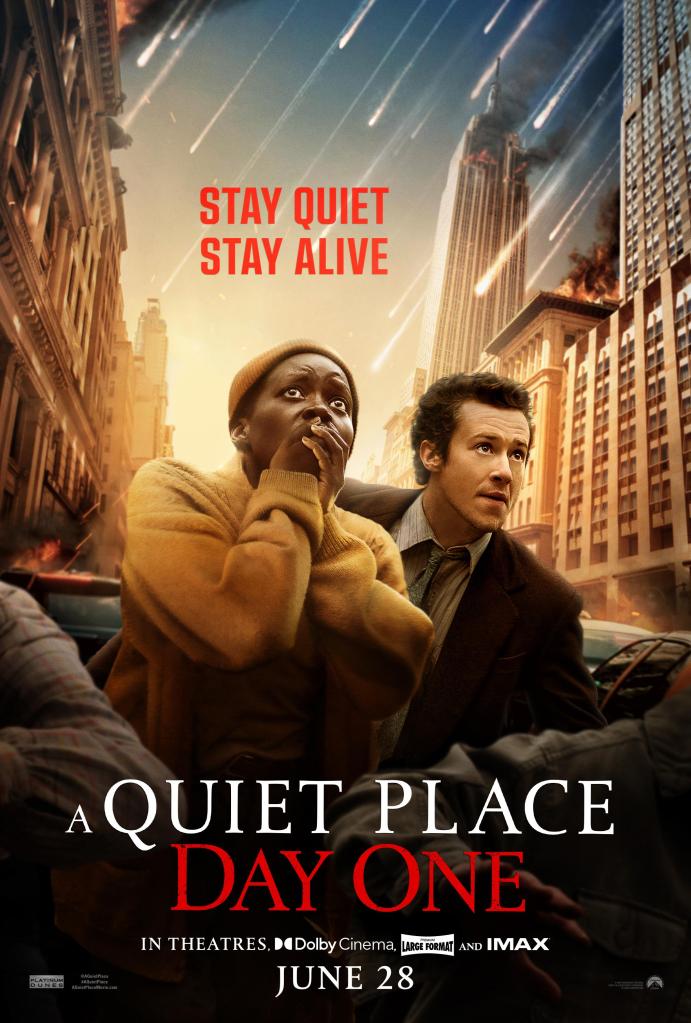
    The “Quiet Place” franchise expands its eerie universe with “A Quiet Place: Day One,” a prequel that transports audiences back to the harrowing genesis of the alien invasion. Diverging from the established Abbott family narrative, this installment ventures into the chaotic, once-bustling streets of New York City, offering a fresh, character-driven perspective on the apocalyptic onset. Critics largely praise the film for its compelling performances, particularly from Lupita Nyong’o and Joseph Quinn, and its successful shift in thematic focus, even if some found it less about the initial carnage and more about human connection.

    At its core, “Day One” is lauded for being “grounded in raw humanity” (Rotten Tomatoes consensus). Rather than solely focusing on the alien threat, director Michael Sarnoski (known for “Pig”) masterfully weaves a poignant tale of two strangers, Samira (Lupita Nyong’o) and Eric (Joseph Quinn), finding unexpected solace and purpose amidst the terrifying silence. Nyong’o’s portrayal of Samira, a character grappling with her own mortality even before the invasion, has been widely highlighted as a powerhouse performance, showcasing a heartbreaking vulnerability and resilience. Joseph Quinn, too, receives accolades for his nuanced depiction of Eric, a man lost and fearful who finds a path forward alongside Samira. Their chemistry is often cited as a major strength, carrying the emotional weight of the film.

    The shift to an urban setting provides a new canvas for the franchise’s signature tension. While some viewers initially expected more large-scale destruction and the explicit “learning” process of silence that the first two films touched upon in their opening, “Day One” opts for a more intimate and claustrophobic experience within the city’s ruins. The concept of New York’s inherent 90-decibel hum suddenly falling silent, punctuated by sudden, fatal alien attacks, creates a unique and often relentless sense of dread. The sound design, a hallmark of the series, is once again praised as immaculate and integral to the storytelling, making every rustle and creak a source of terror.

    However, the film isn’t without its critiques. Some reviewers felt that the “Day One” aspect, particularly the initial chaos and the revelation of how people adapted to silence, was glossed over or not explored to its full potential. The lack of new lore regarding the aliens’ origins or motivations was also a point of contention for some who sought more expansion of the universe. Additionally, while the character-driven narrative is celebrated, a few critics felt that the plot, at times, relied on conveniences or that the character development, particularly for Eric, could have been more fleshed out.

    Despite these minor quibbles, the consensus remains overwhelmingly positive. “A Quiet Place: Day One” is seen as a worthy and refreshing addition to the franchise, proving that the concept can thrive beyond the original family unit. Its ability to balance nail-biting suspense with deeply affecting human drama, even prompting tears in some viewers, sets it apart. And, of course, no review would be complete without mentioning the breakout star who “steals the show”: Frodo the cat, whose quiet antics provide both comfort and unexpected moments of tension.

    Ultimately, “A Quiet Place: Day One” delivers on its promise of a terrifying yet emotionally resonant journey, inviting audiences to experience the devastating beginnings of a silent world through a fresh lens and proving that even in the face of unimaginable terror, human connection and the pursuit of simple pleasures can offer a profound sense of hope.

  • “Soul”: The Symphony of Everyday Living

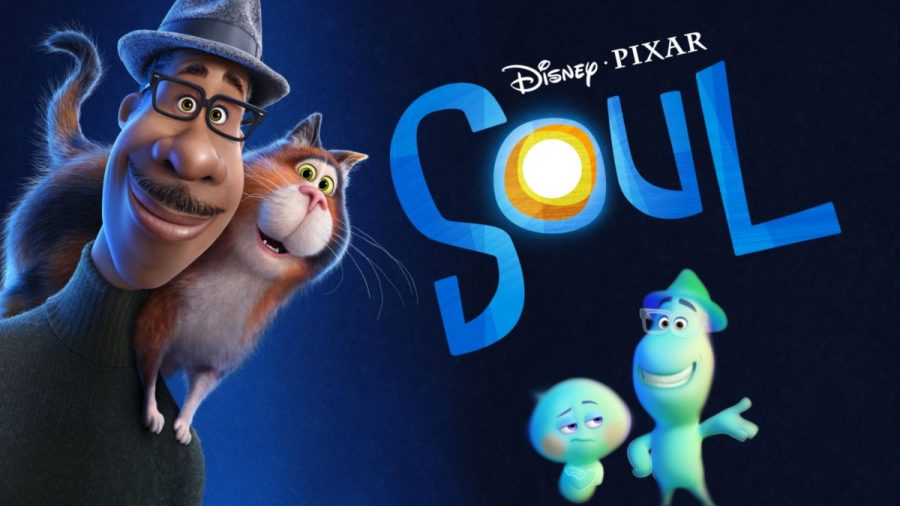
    Pixar has long been a master of blending heartfelt storytelling with profound philosophical questions, and their 2020 animated feature, Soul, is no exception. Directed by Pete Docter and Kemp Powers, this visually stunning and emotionally rich film takes audiences on an existential journey that challenges conventional notions of purpose and happiness, ultimately celebrating the quiet beauty found in simply living.

    The story centers on Joe Gardner (voiced by Jamie Foxx), a middle school band teacher with a lifelong dream of becoming a professional jazz pianist. Just as he finally gets his big break, a sudden accident sends his soul to the “Great Before” – a fantastical realm where new souls develop their personalities and “spark” before heading to Earth. There, Joe reluctantly teams up with 22 (voiced by Tina Fey), a cynical soul who has yet to find her spark and has no desire to go to Earth. Their unlikely partnership forms the core of a narrative that explores life, death, and everything in between.

    One of the most powerful messages Soul imparts is about not being hung up on a singular purpose in life. Joe’s entire identity is wrapped up in his dream of being a jazz musician. He believes that achieving this one grand goal is the only way he can truly live and find fulfillment. The film masterfully deconstructs this idea, showing how such an intense focus can blind one to the richness of existence. Through his interactions with 22, and his own unexpected journey, Joe begins to understand that a “spark” isn’t a predetermined life purpose or a specific talent. It’s not about what you do for a living, but how you live. The film gently suggests that while passions are important, defining one’s entire worth by a single ambition can be a limiting and even dangerous path.

    This leads directly to the film’s most resonant theme: finding the beauty in everyday living. 22, initially resistant to life on Earth, slowly begins to experience the simple wonders of the human world through Joe’s eyes (and senses). A perfect slice of pizza, the feeling of wind, the taste of a lollipop, the warmth of a hug, the sound of leaves rustling – these seemingly mundane moments become profound revelations. It’s in these small, unassuming details that the true “spark” of life is discovered. The film argues that happiness isn’t found solely in monumental achievements or grand purposes, but in the accumulation of these quiet, sensory experiences that make up the fabric of our daily lives.

    From my perspective, Soul is a profound and necessary film for our achievement-driven society. It’s a beautiful reminder that life isn’t a checklist of accomplishments to be completed, but a journey to be experienced. The film’s animation is, as expected from Pixar, breathtaking, with vibrant colors in the “Great Before” contrasting with the gritty realism of New York City. The jazz score is also a character in itself, perfectly complementing Joe’s passion and the film’s soulful atmosphere.

    In conclusion, Soul is a poignant and deeply moving exploration of what it means to be alive. It encourages us to release the pressure of finding one definitive “purpose” and instead embrace the countless small joys that make life worth living. It’s a film that leaves you with a renewed appreciation for the present moment, reminding us that every day, in its simplicity, holds the potential for a perfect, sparkling experience.

  • Final Destination: Bloodlines Review – A Gruesome Return

    The Grim Reaper is back, and critics are singing its praises. Final Destination: Bloodlines, the sixth installment in the long-running horror franchise, has arrived in 2025 with directors Zach Lipovsky and Adam Stein at the helm, and it’s being hailed as a fresh, brutal, and surprisingly emotional return to form. Moving beyond simple premonitions of impending disaster, Bloodlines delves into a deeper, familial connection to Death’s intricate plan, offering a compelling homage to its predecessors while delivering its signature message: be wary of death, for it always gets its due.

    Reviews indicate a significant shift in critical reception for the franchise, with Bloodlines boasting an impressive 93% on Rotten Tomatoes – a stark contrast to previous entries, and a testament to its ability to win over even skeptical critics. The film reportedly achieves this by blending the gruesome creativity fans expect with a surprisingly emotional core, making the brutal, elaborate kills feel more personal than ever before.

    The core premise remains, with a college student named Stefani (Kaitlyn Santa Juana) plagued by recurring nightmares of a catastrophic tower collapse in the 1960s. She soon discovers these are inherited premonitions, and her family is now on Death’s hit list, their lives intricately tied to an incident decades prior where her grandmother, Iris (Brec Bassinger in flashbacks), saved a group of people from their destined demise. The twist this time? Death isn’t just coming for the survivors; it’s coming for their entire “bloodline,” often in chronological order from oldest to youngest within the family.

    My take on Final Destination: Bloodlines is that it brilliantly pays homage to previous Final Destination films while evolving the formula. The film’s opening sequence, reportedly a “belter” that rivals the franchise’s best, sets the stage with the meticulous, Rube Goldberg-esque death traps fans adore. From rogue coins to precarious chandeliers, the premonition is a masterclass in tension, delivering exactly what viewers come for. Moreover, the film is littered with subtle (and not-so-subtle) Easter eggs and references to iconic deaths from past installments, like a truck carrying logs – a clear nod to Final Destination 2. These nods are not just fan service; they reinforce the idea that this is a connected universe, potentially tying all previous films into a larger, overarching scheme orchestrated by Death.

    Beyond the thrills, Bloodlines truly functions as a film that teaches one to be wary of death. The franchise has always played on the inevitability of mortality, but by focusing on a family bloodline, this installment heightens the stakes and makes the threat more visceral. When the characters aren’t just random strangers but connected individuals, their desperate attempts to cheat Death, and their subsequent gruesome ends, become more impactful. The film is a chilling reminder that no matter how much we try to control our fate, Death is a relentless, unseen force that cannot be truly evaded. The creative and increasingly absurd methods of demise serve as a constant, morbid lesson in the fragility of life.

    The film is also notable for the poignant inclusion of the late Tony Todd as William Bludworth, the enigmatic mortician who has been a staple of the series. Reviews highlight his scene as a “quietly powerful” moment, with producer Craig Perry revealing that Todd’s lines were largely unscripted, a personal message from the actor to his fans, making his final cinematic appearance deeply moving. This adds a layer of unexpected gravitas, reinforcing the film’s underlying theme of mortality and the preciousness of life.

    While some critics note a lean into more comedic elements, and perhaps a slight lack of thematic depth compared to its predecessors, the overall consensus is that Final Destination: Bloodlines injects new life into a beloved franchise. It’s a brutal, energetic, and darkly comedic ride that understands its audience, delivers on its patented “inevitable death” mechanics, and offers a compelling expansion of the Final Destination lore. It’s a gory, entertaining reminder that Death waits for no one, and sometimes, the best we can do is enjoy every second we have.